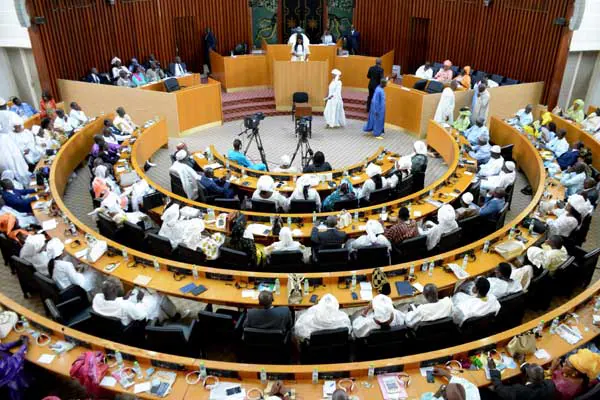
Senegal's National Assembly has been convened for a series of plenary sessions from September 29 to October 2, during which lawmakers will examine four major bills. The first session, scheduled for September 29 at 10 am, will focus on a proposed law modifying the 2016 biometric identity card law. The bill will be defended by the Minister of Interior and Public Security. This session marks a crucial step in the legislative process, with significant implications for the country's identity documentation.
On the same day, at 3 pm, the Assembly will proceed with the examination of a proposed law modifying the 2019 Petroleum Code. This bill, introduced by the PASTEF parliamentary group, aims to strengthen state control over oil contracts and revise certain provisions of the 2019 Code. The bill has been the subject of intense debate between the Minister of Energy and Oil, Abdourahmane Diouf, and several ruling party deputies, who have criticized a lack of transparency in ongoing negotiations with Italian company Eni.
On September 30, lawmakers will dedicate their session to a proposed law on health in prison environments. This bill seeks to improve sanitary conditions in the country's penitentiary establishments, a long-standing concern for human rights organizations and health unions. The proposed law is expected to address some of the pressing issues affecting prisoners' health and well-being.
The final session of the extraordinary session will take place on October 2 at 10 am. During this session, lawmakers will examine the report of an information mission on the commercialization of Softcare brand products. This mission was established to investigate and report on the marketing practices of the company. The report's findings and recommendations are expected to shed light on this critical issue.
The current extraordinary session, which began on September 18, will conclude with the examination of the Softcare report. This session has been marked by the examination of several critical bills, including those related to identity documentation, oil contracts, and prison health. The National Assembly's work during this session reflects the government's efforts to address pressing issues affecting the country.
The four bills to be examined during the final stretch of the extraordinary session have significant implications for various sectors of Senegalese society. The proposed laws on identity documentation, oil contracts, prison health, and commercialization practices will contribute to shaping the country's policies and regulations in these areas. Lawmakers are expected to engage in thorough discussions and debates to ensure that the bills are thoroughly examined.
The National Assembly's schedule for the final stretch of the extraordinary session reflects the government's commitment to addressing critical issues affecting the country. With the examination of these four bills, lawmakers will be contributing to the development of policies and regulations that will have a lasting impact on Senegal's development and growth. According to Khadydja Ndiaye, the Assembly's work during this session demonstrates its dedication to serving the country's interests.
Key points
- The Senegalese National Assembly will examine four key bills during the final stretch of its extraordinary session.
- The bills to be examined include proposed laws on identity documentation, oil contracts, prison health, and commercialization practices.
- The session, which began on September 18, will conclude on October 2 with the examination of the Softcare report.