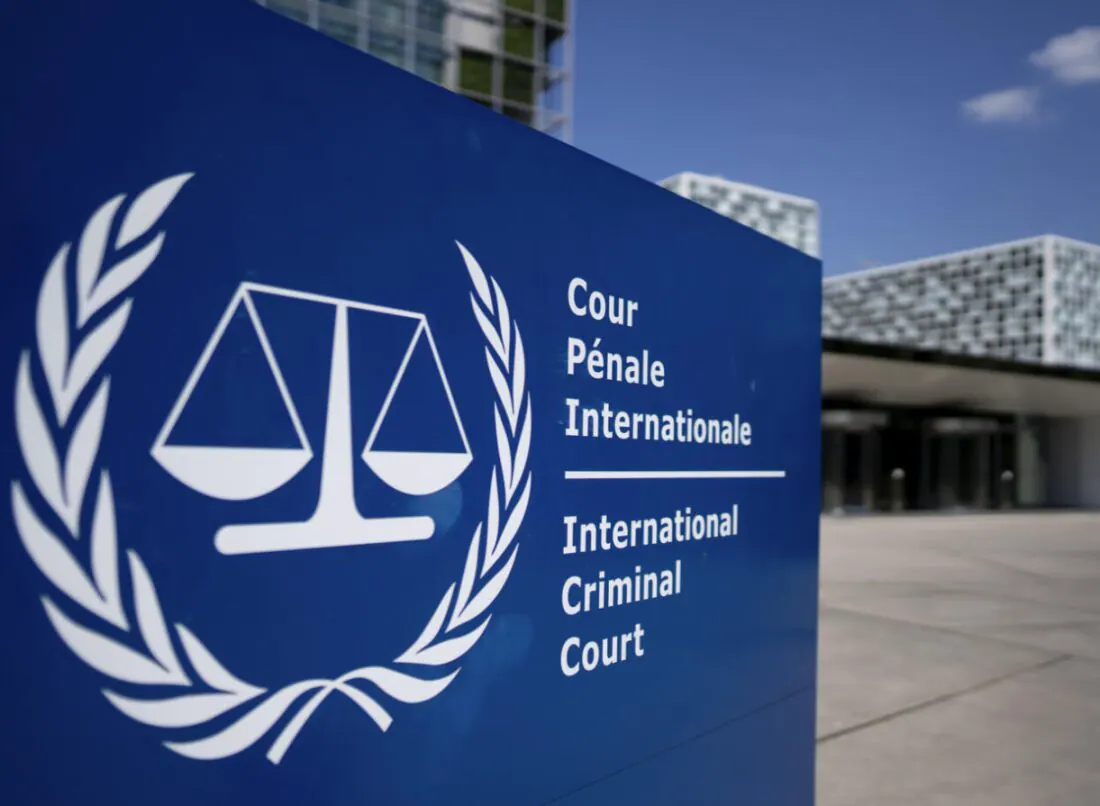
The recent sanctions imposed by the US administration on the International Criminal Court have raised fundamental questions about the state of international law and its application to powerful nations and individuals. The move has been seen as an attack on the very principles of accountability and justice that the court represents. Critics argue that the sanctions undermine the court's ability to investigate and prosecute crimes committed by individuals, regardless of their nationality or position of power.
The issue at hand is not just about the US administration's actions, but also about the collective failure of the international community to uphold the principles of justice and accountability. The International Criminal Court was established to ensure that individuals responsible for atrocities are held accountable, but its effectiveness has been hindered by the lack of cooperation from some powerful nations. The US sanctions have further exacerbated this problem, creating a sense of impunity among powerful individuals and nations.
The International Criminal Court has its limitations and imperfections, but these do not justify the US sanctions. Instead, they should be addressed through reform and strengthening of the court, rather than attempts to neutralize it. The court's critics argue that it has been slow to act and has been selective in its investigations, but these concerns should be addressed through constructive engagement and reform, rather than sanctions and intimidation.
The consequences of the US sanctions on the International Criminal Court go beyond the court's own operations. They send a message to the world that powerful nations and individuals can act with impunity, without fear of accountability or consequences. This undermines the rule of law and creates a culture of impunity, where those with power and influence can do as they please, without fear of reprisal.
The international community, including the European Union, France, and other democracies that value multilateralism, have a responsibility to act in defense of the International Criminal Court. They must go beyond rhetorical support and take concrete actions to preserve the court's independence, resources, and capacity to act. This includes providing financial and diplomatic support to the court, as well as pushing back against the US sanctions and other attempts to undermine its authority.
The issue at hand is not just about the International Criminal Court, but about the very fabric of international law and the principles of justice and accountability. The US sanctions have highlighted the contradictions and weaknesses of the international system, and the need for collective action to defend the rule of law. The international community must come together to defend the principles of justice and accountability, and to ensure that those responsible for atrocities are held accountable, regardless of their nationality or position of power.
Ultimately, the US sanctions on the International Criminal Court represent a choice between preserving institutions that can hold powerful individuals accountable, or accepting a world where the rule of law is optional and justice is reserved for the weak. The international community must make a choice between defending the rule of law and protecting the interests of the powerful. The consequences of this choice will have far-reaching implications for the future of international law and the protection of human rights.
Key points
- The US sanctions on the International Criminal Court undermine the court's ability to investigate and prosecute crimes committed by individuals, regardless of their nationality or position of power.