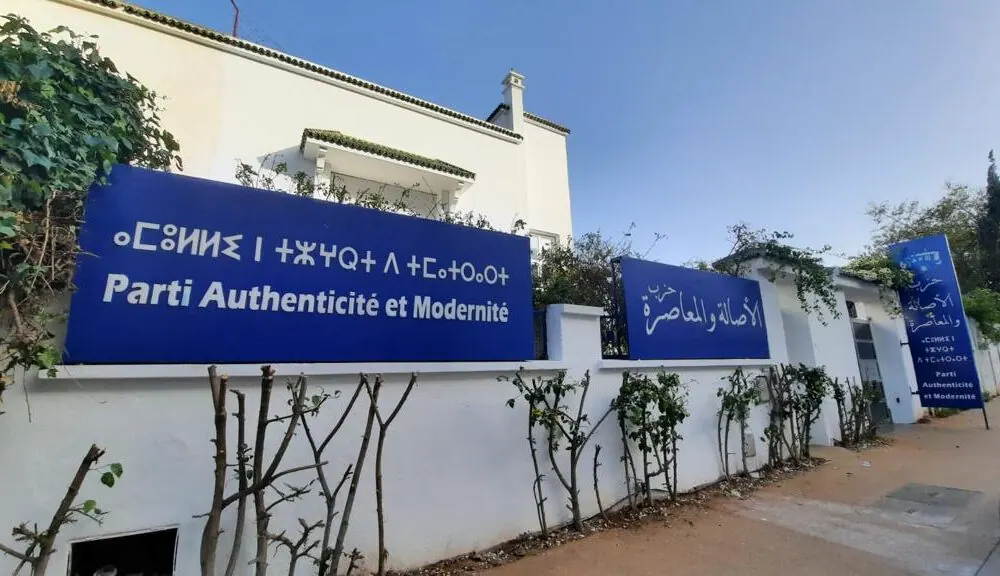
The Parti Authenticité et Modernité (PAM) in Morocco has made significant financial promises, totaling 350 billion dirhams over five years. This includes an additional 70 billion dirhams in annual expenditures. However, the party's financing plan for these promises has raised concerns. According to PAM, 300 billion dirhams will come from the "dynamic growth" of the economy, 40 billion dirhams from local authorities, and 10 billion dirhams from rationalizing expenditures.
A closer examination of PAM's proposals reveals potential issues with their financing plan. The party plans to reform the income tax (IR) system, reducing the number of tax brackets and exempting incomes up to 180,000 dirhams per year. This could lead to a significant loss in revenue for the state, estimated at 30 billion dirhams per year by some experts. This single measure could consume the entire allocated budget for supporting purchasing power over five years, which is 150 billion dirhams.
The proposed tax reform has also raised concerns about fairness. The new system would have only two tax brackets, with a maximum rate of 20%, significantly lower than the current 37%. This would primarily benefit high-income earners, contradicting the party's stated goal of supporting purchasing power.
Furthermore, PAM's program includes 70 billion dirhams in additional annual investments, but it is unclear if this amount includes the estimated 30 billion dirhams in tax losses or if it is an additional expense. If it is the latter, the total additional effort would be 100 billion dirhams per year, which could strain public finances.
Projections based on historical data from the Ministry of Finance and the High Commission for Planning (HCP) suggest that Morocco's public finances could face significant challenges if PAM's proposals are implemented. Over the past five years, ordinary budget revenues have grown by 11% annually, while operating expenses have increased by 9%. Investments in the general budget have also risen by nearly 9% per year.
Extending these growth rates over the next five years and adding PAM's proposed 100 billion dirhams in annual investments would likely lead to unsustainable deficits and financing needs. Even with optimistic assumptions, such as 12% annual revenue growth and 8% growth in expenses, the equation remains difficult to balance.
Under these optimistic assumptions, the budget deficit as a percentage of GDP would only return to a manageable level of 2.5% by 2031. This suggests that PAM's financial promises may not be sustainable in the long term, and the party may need to revisit its proposals to ensure the stability of Morocco's public finances.
Key points
- PAM's financial promises have raised concerns about their potential impact on Morocco's public finances.
- The proposed tax reform could lead to significant losses in revenue for the state.
- The sustainability of PAM's promises depends on optimistic assumptions about revenue and expense growth.