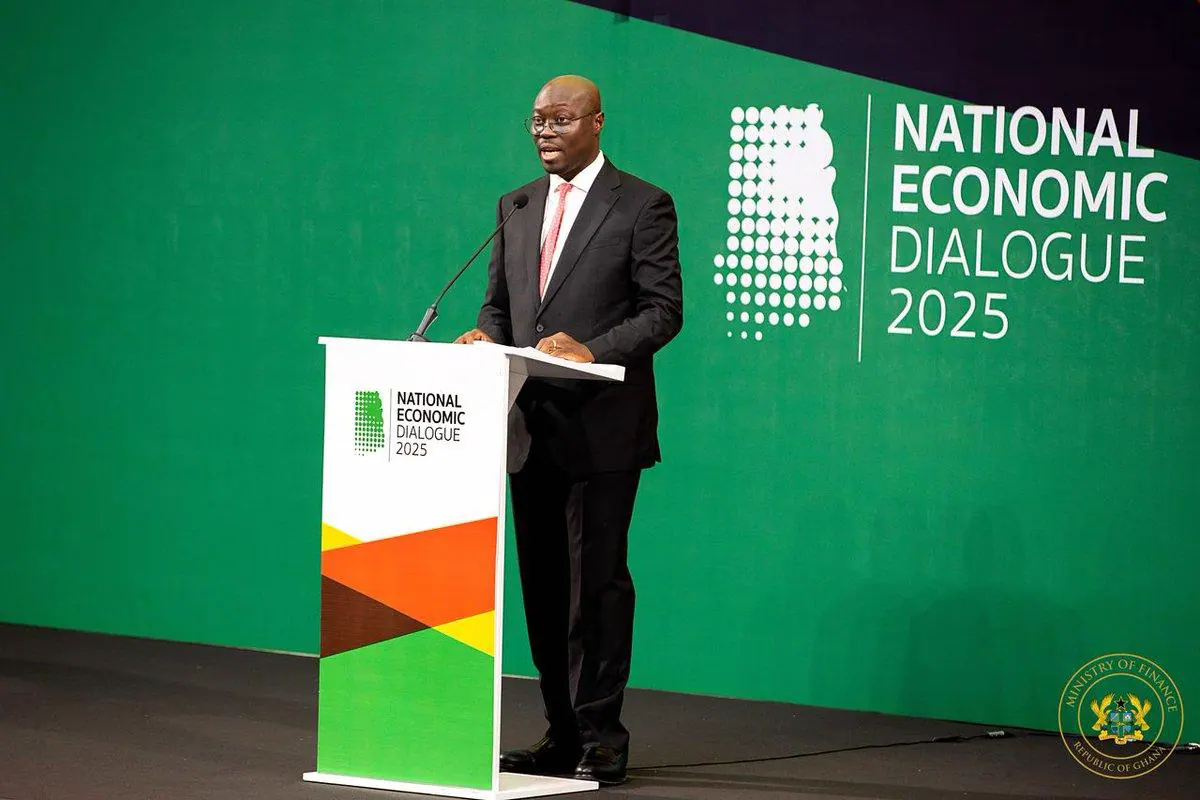
Finance Minister Dr Cassiel Ato Forson has assured Ghanaians that their welfare and interests will be the central consideration guiding the preparation of the 2027 Budget. The Ministry of Finance has started consultations with ministries, departments, and agencies ahead of the presentation of the 2027 Budget to Parliament.
The Ministry has already issued the 2027 to 2030 Budget Preparation Guidelines, while consultations on the government’s proposed New Economy programme have been underway since the beginning of September. According to Dr Forson, decisions taken throughout the budget preparation process must reflect the needs, expectations, and aspirations of the Ghanaian population.
The forthcoming budget is expected to provide the principal policy framework through which the government will set out the details of its proposed New Economy programme. This initiative is designed to take Ghana beyond the period of macroeconomic stabilisation and towards increased production, employment creation, wealth generation, and sustained economic expansion.
President John Dramani Mahama has indicated that the New Economy programme will involve an estimated US$10 billion investment in key sectors of the Ghanaian economy. The comprehensive details are expected to be presented as part of the 2027 Budget in November. The government’s objective is to use the programme to build upon the economic stabilisation measures implemented during the administration’s earlier phase.
Dr Forson has explained that the government’s economic strategy is moving from stabilisation towards a broader transformation agenda. This agenda places greater emphasis on an economy that produces more, generates employment, and creates wealth from domestic productive activity. The preparation of the 2027 Budget has involved engagements with various government institutions and economic stakeholders to identify priorities.
The National Development Planning Commission is expected to play a role in monitoring and assessing the implementation of the programme. Dr Forson has said the commission’s involvement will be important in determining whether the programme’s interventions translate into measurable development outcomes. The engagement with the NDPC has highlighted the government’s intention to address structural constraints that have affected Ghana’s economic development.
The 2027 Budget is expected to outline the government’s priorities for public expenditure and investment while providing greater detail on the sectors and programmes through which it intends to pursue economic transformation. Key areas will include measures aimed at expanding productive activity, encouraging private investment, supporting businesses, strengthening infrastructure, improving productivity, and creating employment opportunities.
Key points
- The government’s proposed New Economy programme will involve an estimated US$10 billion investment in key sectors of the Ghanaian economy.