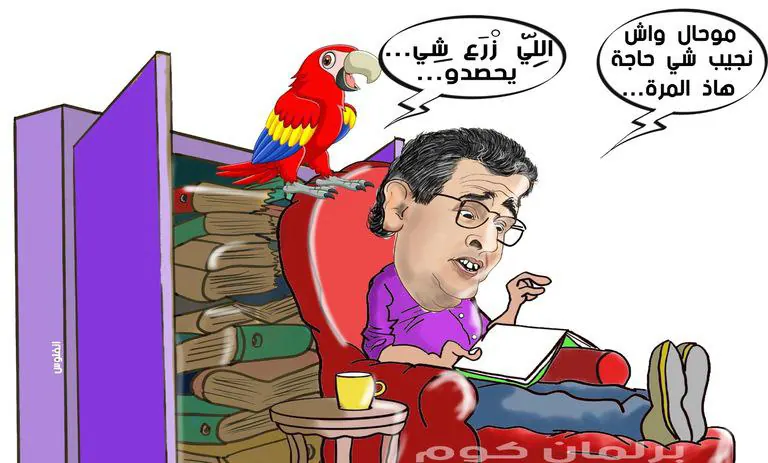
Critics of Aziz Akhannouch, the outgoing head of Morocco's government, are urging him to stay out of the next administration, citing his economic policies that they claim have devastated the country's poor and middle class. Akhannouch's five-year term was marked by rising costs of living, with prices of essential goods such as food, fuel, and medicine increasing significantly. The critics argue that his policies have benefited only a small elite close to him, while leaving the majority of Moroccans struggling.
One of the main criticisms of Akhannouch's government is the handling of the country's economic strategies, including the energy, health, and food sectors. Critics claim that Akhannouch and his associates have exploited these strategies for personal gain, leading to widespread corruption and cronyism. For example, the cost of meat has risen to 130-150 dirhams per kilogram, and the price of medicine has increased by as much as 300%. The critics argue that such price hikes have had a devastating impact on the purchasing power of ordinary Moroccans.
The government's attempts to mitigate the effects of the price hikes have been criticized as ineffective. The state spent 280 billion dirhams on subsidies and social programs, but critics claim that the funds were misappropriated by Akhannouch's associates and cronies. The opposition has accused Akhannouch of using state funds to enrich himself and his allies, rather than helping those in need. This has led to widespread discontent among Moroccans, who feel that the government has failed to address their economic concerns.
Akhannouch's handling of the country's energy sector has also been criticized. The government has been accused of allowing Akhannouch and his associates to exploit the sector for personal gain, leading to soaring fuel prices and shortages. The critics argue that such policies have had a devastating impact on the country's economy and have benefited only a small elite.
The opposition has also criticized Akhannouch's handling of the country's education system. According to the latest PISA report, Morocco's education system has fallen to alarming levels, ranking lower than schools in countries ravaged by war and famine. Critics argue that Akhannouch's government has failed to address the systemic problems plaguing the education sector, leading to a decline in educational outcomes.
Unemployment has also been a major issue during Akhannouch's term, with the rate rising to 13%. Critics argue that the government's policies have failed to address the root causes of unemployment, leading to widespread poverty and discontent. The opposition has accused Akhannouch of ignoring the concerns of ordinary Moroccans, instead prioritizing the interests of his associates and cronies.
In light of these criticisms, many Moroccans are urging Akhannouch to stay out of the next government. They argue that his policies have caused too much harm and that the country needs a fresh start. The opposition has vowed to hold Akhannouch accountable for his actions and to push for reforms that benefit all Moroccans, not just a small elite.
Key points
- Critics accuse Akhannouch of exploiting Morocco's economic strategies for personal gain.
- The country's education system has fallen to alarming levels under Akhannouch's government.
- Unemployment has risen to 13% during Akhannouch's term, with critics arguing that the government's policies have failed to address the root causes of the problem.