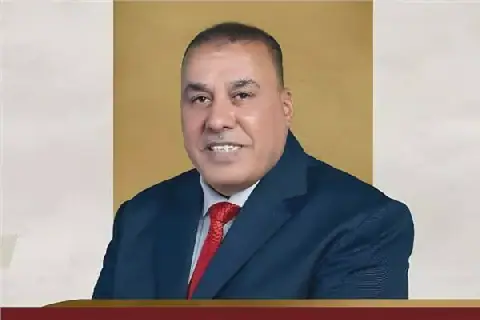
A public rift has emerged between Central Organisation of Trade Unions (COTU) Secretary General Francis Atwoli and his son, Prof. Lukoye Atwoli, over the cremation of Prof. Lukoye's late wife, Maureen Nyadida. Maureen Nyadida died from cancer, and her final wish was to be cremated. However, Francis Atwoli strongly disagreed with the decision, describing cremation as 'demonic' and 'satanic'. The dispute has sparked a conversation about grief, faith, culture, and cost in Kenyan families.
Francis Atwoli expressed his objections to cremation on national television, stating that it is not in line with Christian, Islamic, or traditional Kenyan values. He claimed that cremation is associated with cults and is not a part of Kenyan culture. Atwoli's son, Prof. Lukoye Atwoli, had argued that cremation is a modern and changing cultural practice. However, Francis Atwoli remained firm in his stance, saying that he would ensure a traditional burial for his son if he predeceases him.
The cremation of Maureen Nyadida took place at one of Kenya's 18 cremation centers, with Nairobi's Lang'ata, Hindu, and Kariokor crematoriums being among the most used. The cost of cremation varies widely, ranging from approximately Ksh10,000 to Ksh100,000, depending on the facility and materials involved. The process itself takes about an hour and a half and is carried out under Ministry of Health regulations.
Cremation remains a taboo topic in many Kenyan communities, but it has gained popularity as an alternative to traditional burial due to the increasing cost of burial plots and the logistical challenges of a traditional send-off. Prominent Kenyan families who have opted for cremation include former Safaricom CEO Bob Collymore, Nobel laureate Wangari Maathai, and former Anglican Archbishop Manasses Kuria and his wife.
Francis Atwoli revealed that he had hoped his in-laws would support him in opposing the cremation, but without their backing, he felt compelled to stand by his son's decision. He described watching family members record a video of the cremation process as 'demonic' and deeply unsettling. The incident has reignited a conversation about the complexities of grief, faith, and cultural practices in Kenyan society.
Prof. Lukoye Atwoli, a respected psychiatrist and university dean, made the decision to cremate his wife following her death from cancer. Maureen Nyadida's final wish was to be cremated, and her husband respected her wishes despite his father's objections. The incident highlights the challenges that families face when dealing with grief and the complexities of cultural and personal preferences.
The public dispute between Francis Atwoli and his son Lukoye has sparked a wider conversation about the changing attitudes towards death and mourning in Kenyan society. As the country continues to urbanize and modernize, traditional practices are being reevaluated, and new customs are emerging. The debate is likely to continue as Kenyans grapple with the complexities of grief, faith, and cultural identity.
Key points
- Francis Atwoli condemns son Lukoye's decision to cremate wife Maureen Nyadida, calling it 'demonic' and 'satanic'.
- Cremation is becoming increasingly popular in Kenya as an alternative to traditional burial due to cost and logistical considerations.
- The incident has sparked a conversation about grief, faith, culture, and cost in Kenyan families, highlighting the complexities of cultural and personal preferences.