On November 1, 2026, Congolese lawyer Nico Mayengele was arrested at the Gombe prosecutor's office in the Democratic Republic of Congo. Mayengele, known for his peaceful advocacy, was assisting his client Prince Epenge at the time of his arrest. The two were subsequently transferred to Makala prison. The arrest has sparked concerns over the treatment of intellectuals and human rights defenders in the country.
Mayengele's arrest has been condemned by various individuals and groups, who view it as an attack on freedom of expression and human rights in the Democratic Republic of Congo. The country has a history of cracking down on intellectuals and activists who speak out against the government. The arrest has also raised questions about the independence of the judiciary and the rule of law in the country.
The Congolese government, led by President Felix Tshisekedi, also known as Mabundi 1er Fatshi Tshivube, has been accused of suppressing dissent and opposition. The government has been criticized for its handling of human rights and freedom of expression, with many viewing it as increasingly authoritarian. Mayengele's arrest has added to concerns over the government's commitment to upholding human rights and the rule of law.
The arrest of Mayengele and Epenge has sparked widespread condemnation, with many calling for their immediate and unconditional release. The case has also drawn attention to the broader issue of human rights and freedom of expression in the Democratic Republic of Congo. The country's history of suppressing dissent and opposition has raised concerns over the stability and security of the region.
The Congolese government has faced criticism for its treatment of intellectuals and human rights defenders. The arrest of Mayengele has added to concerns over the government's commitment to upholding human rights and the rule of law. The case has also raised questions about the independence of the judiciary and the impact of government actions on the country's stability and security.
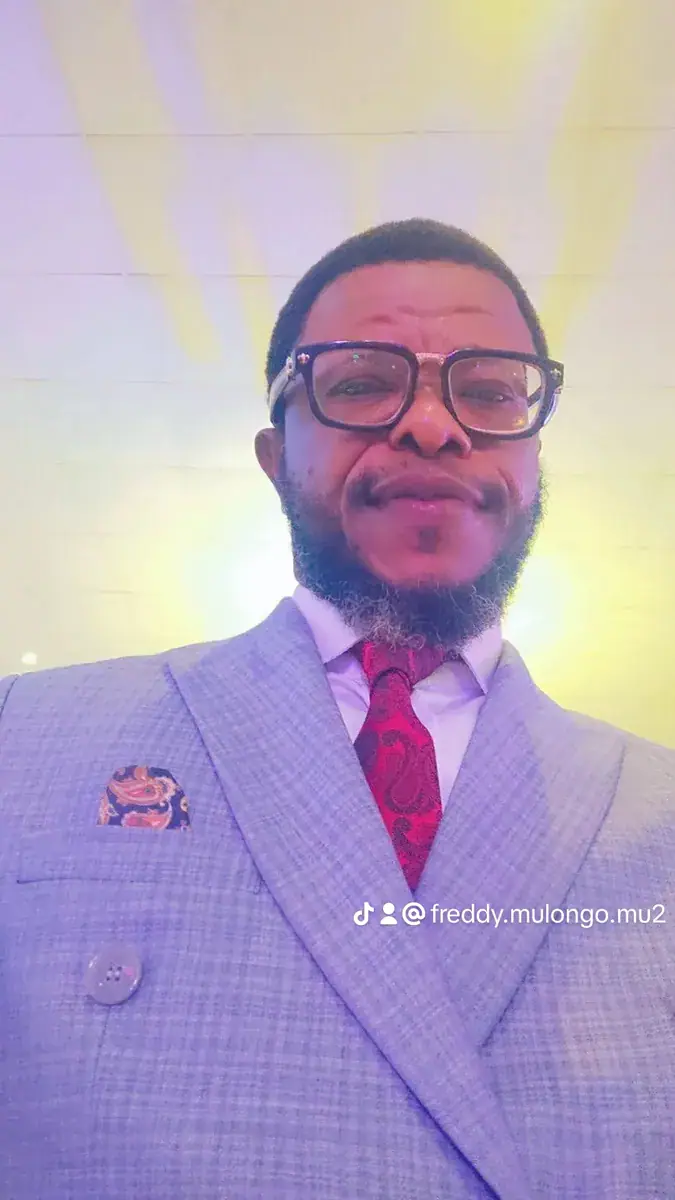
Freddy Mulongo Mukena, a journalist and advocate for human rights, has been vocal in his condemnation of Mayengele's arrest. Mukena has called for Mayengele's immediate and unconditional release, citing concerns over the government's treatment of intellectuals and human rights defenders. The case has also drawn attention to the role of the media in promoting human rights and freedom of expression.
The international community has been urged to take action in response to Mayengele's arrest. The case has raised concerns over the human rights situation in the Democratic Republic of Congo and the government's commitment to upholding the rule of law. The Congolese government has faced criticism for its handling of human rights and freedom of expression, and the international community has been called upon to hold the government accountable.
Key points
- The arrest of Nico Mayengele has sparked concerns over freedom of expression and human rights in the Democratic Republic of Congo.
- The Congolese government has faced criticism for its treatment of intellectuals and human rights defenders.
- The international community has been urged to take action in response to Mayengele's arrest.