The Republic of Congo's population has been revealed to be 6,142,180, according to the fifth General Census of Population and Housing (RGPH-5). This number is expected to reach 6,650,650 by the end of the year. The country's population is relatively young, with 41% of inhabitants under the age of 15 and a median age of 19. This demographic trend presents both opportunities and challenges for the government.
The country's urbanization rate stands at 70.2%, with Brazzaville and Pointe-Noire accounting for 57.6% of the population, including 34.8% in Brazzaville alone. The literacy rate for individuals aged 9 and above is 90.1%. However, the job market remains a significant challenge, with an unemployment rate of 14.4% and an expanded unemployment rate of 30.4%, primarily affecting urban youth.
The multidimensional poverty index in the Republic of Congo is 40.1%. There is a notable disparity in access to basic services between urban and rural areas. While 77.3% of urban households have access to electricity, only 13.4% of rural households do. Similarly, 69.2% of the urban population has access to clean water, compared to 2.9% in rural areas.
The census also highlights the situation of vulnerable groups. The indigenous population numbers 93,955, with 71.4% living below the multidimensional poverty line. Additionally, there are 52,735 people living with disabilities and 22,173 people with albinism. These groups will likely require targeted support and interventions from the government.
The RGPH-5 marks a significant milestone in the country's efforts to gather accurate data on its population. For the first time, the census includes data from all 15 departments, with a scientific redistribution of personnel according to new administrative boundaries. This will enable more effective planning and resource allocation.
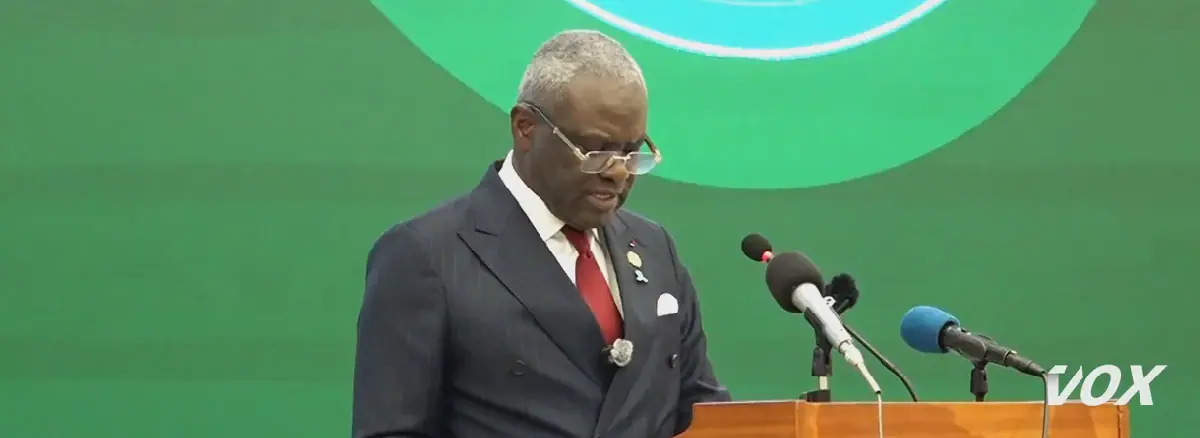
The government has emphasized the importance of the census in informing its policies and development plans. Prime Minister Anatole Collinet Makosso stated that the RGPH-5 constitutes the foundation and compass for government action and the 2027-2031 National Development Plan. The data will help identify areas of progress and disparities that need to be addressed.
The international community has welcomed the census as a crucial step towards sustainable development. Dr. Agnès Kayintakore, representative of the UNFPA in Congo, noted that the census is an act of sovereignty that allows the country to understand its human resources, identify vulnerabilities, and create tools for inclusive prosperity. The data will help ensure that every citizen is visible, counted, and recognized.
Key points
- The Republic of Congo's population is expected to reach 6.7 million by the end of the year, with 41% of inhabitants under 15 years old.
- The country's urbanization rate stands at 70.2%, with significant disparities in access to basic services between urban and rural areas.
- The government aims to use the census data to inform its policies and development plans, including the 2027-2031 National Development Plan.