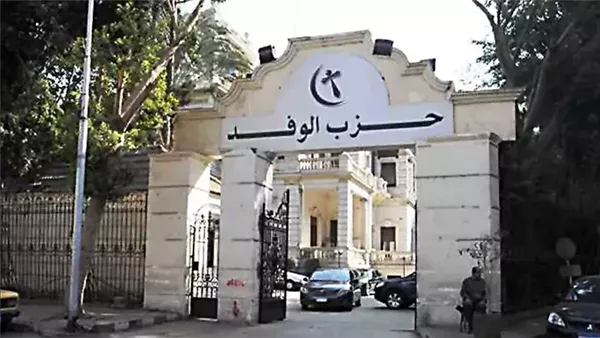
As Egypt's political party, Al-Wafd, prepares for its upcoming high council elections in October, concerns have emerged about the potential role of money in influencing the outcome. The elections, which take place every four years, will see 50 members elected to the high council. In previous elections, allegations of financial influence have surfaced, with some candidates accusing others of using money to sway voters.
In the recent past, Al-Wafd party leader, Dr. El-Sayed El-Badawi, emphasized the importance of reorganizing the party's institutions and regaining its political and organizational strength. He highlighted that the party is on the cusp of significant elections, including the high council and local council elections. With only three months to go before the high council elections, El-Badawi stressed the need to quickly form strong and capable regional committees to lead the party.
El-Badawi also revealed that upon taking office, he opened the file on party membership, discovering that 1845 names had been added just before the party's presidential elections, without being presented to the executive committee. Of these, 594 were part of the special committees but were not presented to the high council and were subsequently excluded. The remaining members were allowed to stay as party members, despite lacking accurate data or means of communication.
The Al-Wafd party leader explained that the high council had to renew the party's membership, considering it the best available option, to prevent the expansion of unknown or unverified memberships. Since taking office, El-Badawi has been working to reorganize the party by establishing supporting entities, such as the Presidential Council, the Council of Wise Men of the House of Experience, and the Council of the Future Generation.
These new entities aim to restore the party's media and political presence. The Presidential Council, in particular, comprises a selection of former ministers, governors, university professors, and parliamentarians. El-Badawi chose to call it the Presidential Council rather than an advisory council, to ensure it is an active and ongoing entity, rather than just a symbolic one.
The upcoming high council elections have sparked concerns about the potential influence of money in the electoral process. Allegations of financial manipulation have been made in past elections, with some candidates using money to sway voters. The party leadership has emphasized the need for fair and transparent elections, but concerns remain about the role of money in shaping the outcome.
The high council elections are a significant event in the party's calendar, with 50 members to be elected to the council. The party's leadership has stressed the importance of these elections in determining the party's future direction. As the elections approach, concerns about the potential influence of money will need to be addressed to ensure the integrity and fairness of the electoral process.
Key points
- Allegations of financial influence have surfaced in previous Al-Wafd party elections.
- The party leadership has emphasized the need for fair and transparent elections.
- The high council elections will see 50 members elected to the council.