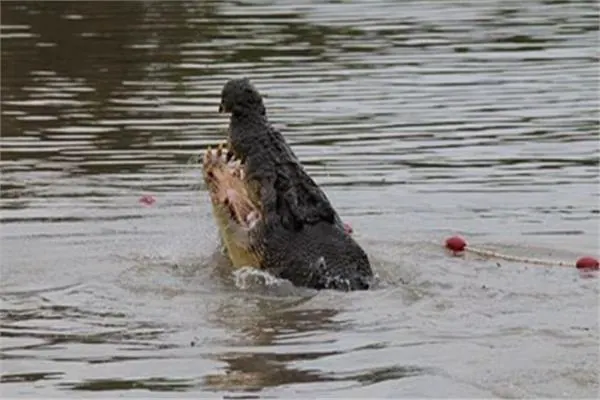
The Australian city of Rockhampton is set to host the rowing and kayaking events at the 2032 Brisbane Olympics, but concerns have been raised over the presence of around 500 saltwater crocodiles in the Fitzroy River. The river, located about 600 kilometers from Brisbane, is known to be home to a large population of crocodiles. Despite this, the International Rowing Federation has backed the venue, citing a technical evaluation that deemed the river suitable for the events.
The technical evaluation, conducted by the Infrastructure and Games Delivery Independent Coordination Agency (GIICA) and WaterProof Marine Consultancy and Services B.V, assessed various factors such as the riverbed, water flow, and wind conditions. The evaluation concluded that the proposed course, which is approximately 2 kilometers long, can provide suitable conditions for the rowing and kayaking events. However, concerns have been raised by officials and athletes regarding the river's currents, water levels, and flood risks.
The presence of crocodiles in the river is not the only concern, as the river's natural conditions pose a challenge to ensuring a fair and consistent competition. Unlike artificial rowing basins, the Fitzroy River's currents and water levels can vary, which may affect the outcome of the events. Some experts, including Australian Olympic champion Drew Gin, have raised concerns about the potential for flooding and the impact on the competition's integrity.
Despite these concerns, the International Rowing Federation has backed the venue, stating that the analysis shows the river can provide fair competition conditions during the Games. The federation's president, Jean-Christophe Roland, said the evaluation demonstrated the river's ability to meet the requirements of Olympic and Paralympic rowing events. The Paddle Worldwide organization has also supported the evaluation's findings regarding the kayaking events.
While the technical evaluation did not focus on the crocodiles, their presence is a factor that needs to be considered in local safety plans. The river is known to be a habitat for crocodiles, and current safety protocols for events on the river include stopping the competition and evacuating participants if a crocodile is spotted. Although there have been no documented attacks on humans in the area, authorities are taking a cautious approach.
Flooding is another challenge facing the venue, and the evaluation has taken into account the river's flood risks and water flow. The report's findings have not been made public, but officials say there are additional elements to be completed in the coming stages of planning for the venue. The hosting of the Olympic events is expected to boost tourism, investment, and jobs in the region, but concerns remain about the cost of developing the site and the availability of infrastructure.
The decision to host the rowing and kayaking events in Rockhampton, rather than Brisbane, is seen as a significant step in the planning for the 2032 Olympics. While there are concerns about the venue, officials believe that with proper planning and safety measures in place, the events can be held successfully. The focus now shifts to the next stages of planning and preparation for the Games.
Key points
- The presence of around 500 saltwater crocodiles in the Fitzroy River has raised concerns about the safety of athletes competing in the 2032 Olympic rowing and kayaking events.
- The International Rowing Federation has backed the venue, citing a technical evaluation that deemed the river suitable for the events.
- Concerns remain about the river's natural conditions, including its currents, water levels, and flood risks, and their potential impact on the competition.