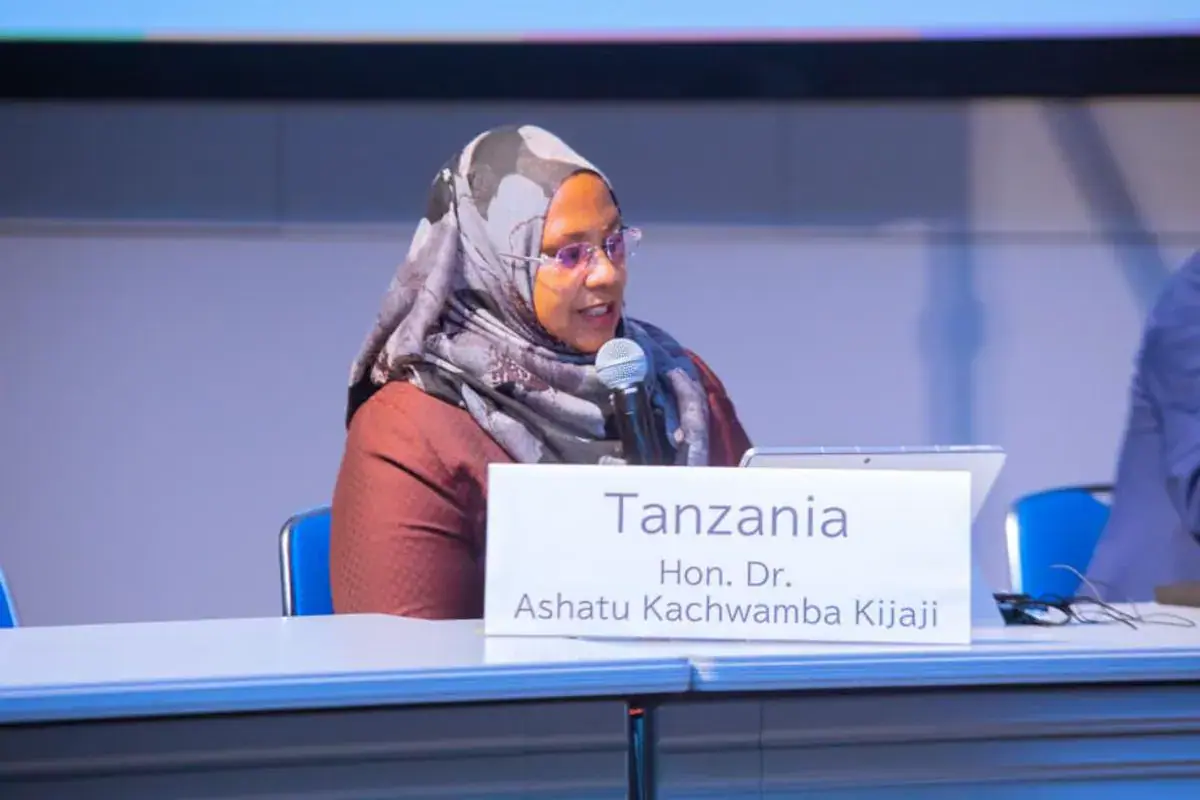
Tanzania's Minister for Natural Resources and Tourism, Dr. Ashatu Kijaji, has emphasized the importance of community involvement in the country's conservation and tourism growth. Speaking at the ninth Ministerial Meeting during Tourism Expo Japan 2026, Dr. Kijaji highlighted that community participation has become central to Tanzania's conservation efforts. This approach not only strengthens natural resource protection but also creates opportunities for local people to participate in tourism-related economic activities. By engaging local communities, Tanzania aims to promote sustainable tourism while ensuring that those living around protected areas benefit from the sector's growth.
Dr. Kijaji pointed out that one key measure in Tanzania's conservation efforts is the establishment of Wildlife Management Areas (WMAs). These WMAs have created a framework for communities to participate in conservation while benefiting from employment and investment opportunities linked to wildlife and tourism. This approach has helped communities recognize the value of natural resources in their areas and the importance of protecting them for future generations. As a result, community participation has contributed to efforts to combat wildlife crime and strengthened cooperation between communities and the government in conservation activities.
In addition to community participation, Tanzania is increasingly using technology to strengthen the management of its protected areas. Dr. Kijaji mentioned that the use of drones and satellite-based systems to track wildlife movements has improved monitoring and supported efforts to address human-wildlife conflicts. These technologies are helping authorities respond more effectively to challenges facing communities living close to wildlife areas while improving the management of conservation resources. This integration of technology is a significant step forward in Tanzania's conservation efforts.
The Tanzanian government is also investing in infrastructure to improve access to tourism destinations. According to Dr. Kijaji, improvements to roads leading to protected areas aim to make it easier for tourists to reach attractions while improving the operating environment for investors. Better infrastructure, combined with conservation and community participation, is expected to strengthen Tanzania's position in the international tourism market and support continued sector growth. This development will likely have a positive impact on the country's economy.
Tanzania's participation in Tourism Expo Japan 2026 provides an opportunity for the country to showcase its tourism attractions and engage with international markets, potential visitors, and investors. Dr. Kijaji emphasized that for Tanzania, the focus is not only on attracting more tourists but also on ensuring that tourism growth contributes to conservation and creates tangible benefits for communities living around the country's protected areas. This approach aligns with the country's goal of sustainable tourism and conservation.
The minister's remarks highlight the country's commitment to balancing economic growth with environmental conservation. By engaging local communities and leveraging technology, Tanzania aims to create a sustainable tourism industry that benefits both the economy and the environment. This approach is expected to have a positive impact on the country's conservation efforts and the livelihoods of communities living around protected areas.
As Tanzania continues to implement its conservation and tourism growth strategies, the country's efforts to engage local communities and leverage technology will be crucial to its success. With a focus on sustainable tourism and conservation, Tanzania is well-positioned to become a leader in eco-tourism and conservation in Africa. The country's participation in international tourism events, such as Tourism Expo Japan 2026, will help to promote its tourism attractions and attract investment.
Key points
- Community participation is central to Tanzania's conservation efforts.
- Technology, such as drones and satellite-based systems, is being used to improve monitoring and management of protected areas.
- Tanzania's focus is on sustainable tourism growth that contributes to conservation and creates benefits for local communities.