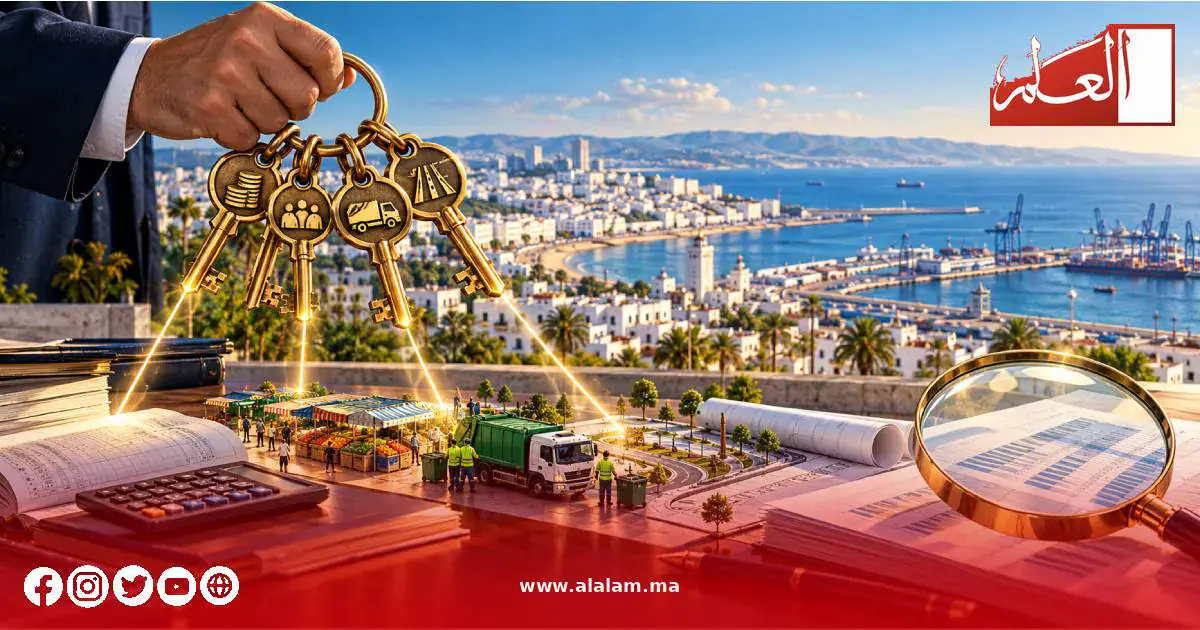
The city of Tangier, Morocco, is navigating a critical phase in its collective management. Following the temporary suspension of Mayor Monir Lymouri, the responsibilities have been transferred to his first deputy, Mohammed Ghilan Al-Ghazouani. This shift has raised concerns about the balance between concentrated responsibility and effective oversight within the local governance structure. Al-Ghazouani now oversees multiple critical areas, including finance, economy, and vital public services.
Mohammed Ghilan Al-Ghazouani's role has expanded significantly as he assumes the responsibilities of the mayor. His portfolio includes finance and budget management, delegated management of the sanitation sector, economic affairs, investment, public markets, and temporary occupation of public property. This concentration of responsibilities necessitates a careful examination of the governance structure to ensure that it can handle the complexities and demands of managing the city's affairs effectively.
The situation in Tangier highlights the importance of clear governance and oversight mechanisms. With Al-Ghazouani at the helm, there is a risk of scattered responsibility, which could lead to inefficiencies and challenges in tracking progress. Therefore, it is crucial for the local governance structure to implement robust monitoring and accountability measures. This will help ensure that the city's interests are protected and that decision-making processes are transparent and subject to oversight.
The legal framework governing the transfer of responsibilities is critical in this context. While the law permits the transfer of powers according to the established order of deputies, it does not absolve the municipal council of its responsibility to ensure a balance between competencies and effective oversight. The focus should be on ensuring that the expanded authority is matched with greater accountability and clear decision-making processes.
Tangier's situation is further complicated by the need to manage various public services and projects. The city's development and growth depend on effective governance, and the current circumstances require a careful balancing act. The municipal council must ensure that the city's services continue uninterrupted and that the interests of its citizens are protected.
The concentration of responsibilities in the hands of one individual raises questions about the potential for abuse of power and the need for checks and balances. It is essential to establish clear guidelines for decision-making and to ensure that these decisions are subject to scrutiny and oversight. This will help maintain public trust and ensure that the city's resources are managed efficiently.
Ultimately, the situation in Tangier underscores the need for effective governance and oversight. The city's future development depends on its ability to manage its affairs in a transparent and accountable manner. By implementing robust governance structures and ensuring that decision-making processes are subject to oversight, Tangier can navigate its current challenges and emerge stronger.
Key points
- The situation in Tangier highlights the importance of balancing concentrated responsibility with effective oversight in local governance.
- The city's development and growth depend on effective governance and robust oversight mechanisms.
- Clear guidelines for decision-making and oversight are essential to prevent abuse of power and ensure accountability.