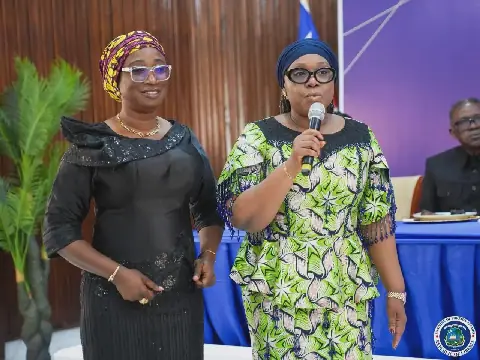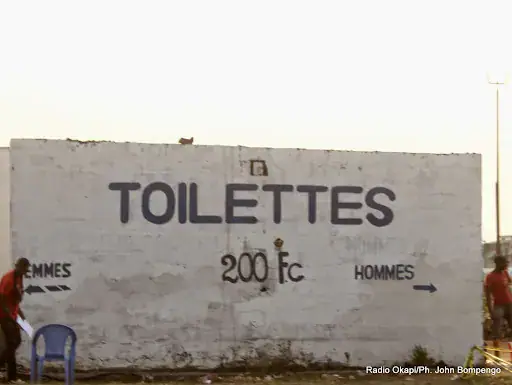
On the occasion of World Toilet Day, celebrated on November 19, the Organisation Cordon des Femmes Congolaises pour l'Équilibre des Ménages (COFCEM) is calling on authorities and humanitarian organizations to improve access to sanitation facilities in displacement sites in eastern Democratic Republic of Congo. COFCEM is concerned about the health risks faced by thousands of displaced people in North Kivu, South Kivu, and Ituri. Many displaced individuals still live in sites without adequate toilets, creating an environment conducive to the spread of diseases related to poor sanitation.
COFCEM's Executive Director, Astride Mujinga, emphasizes that sufficient access to toilets is essential for preventing diseases and improving living conditions for displaced populations. The organization is highlighting the importance of dignity, public health, and gender equality in humanitarian contexts. According to COFCEM, based in Bukavu, numerous displaced people live in sites without proper toilet facilities, increasing the risk of health problems.
The organization is urging national and provincial authorities, as well as humanitarian agencies operating in eastern DRC, to increase investments in sanitation infrastructure within camps and reception sites. COFCEM believes that improving hygiene and sanitation is crucial for protecting vulnerable populations. The organization's advocacy aims to draw attention to the challenges related to human dignity, public health, and gender equality in humanitarian situations.
Eastern DRC has been experiencing significant displacement due to ongoing conflict and insecurity. The region is home to thousands of people who have been forced to flee their homes, often living in precarious conditions. COFCEM's concerns about sanitation facilities in displacement sites are part of a broader effort to address the needs of affected populations.
World Toilet Day, celebrated under the theme "Safe Toilets for an Equitable Future," highlights the importance of access to proper sanitation facilities. COFCEM's call to action emphasizes that safe toilets are essential for achieving a fair and equitable future. The organization's efforts aim to bring attention to the plight of displaced people in eastern DRC and the need for improved sanitation infrastructure.
COFCEM's advocacy work focuses on promoting the rights and dignity of women and girls in humanitarian contexts. The organization believes that access to sanitation facilities is critical for ensuring their safety and well-being. By highlighting the challenges faced by displaced people in eastern DRC, COFCEM hopes to mobilize support for improved sanitation infrastructure in the region.
The situation in eastern DRC requires a concerted effort from authorities, humanitarian organizations, and local communities to address the needs of displaced populations. COFCEM's call to action underscores the importance of prioritizing sanitation infrastructure in humanitarian responses. By working together, stakeholders can help improve living conditions and reduce health risks for thousands of people affected by displacement.
Key points
- COFCEM is calling on authorities and humanitarian organizations to improve access to sanitation facilities in displacement sites in eastern DRC.
- The organization emphasizes that sufficient access to toilets is essential for preventing diseases and improving living conditions for displaced populations.
- COFCEM's advocacy aims to draw attention to the challenges related to human dignity, public health, and gender equality in humanitarian situations.