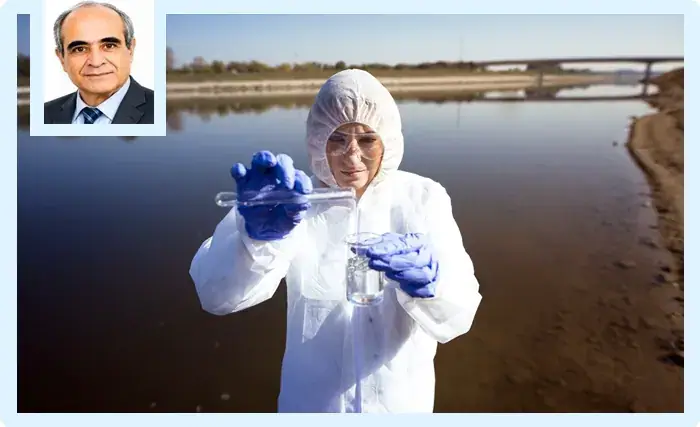
Tunisia is facing increasing water stress due to climate change, with limited water resources and an agriculture sector largely dependent on rainfall and dams. The country's water resources are estimated to be around 4.8 billion cubic meters per year, but their availability is highly dependent on precipitation and unevenly distributed geographically. With a growing population and increasing water demands, Tunisia must find ways to manage its water resources more efficiently.
The country's water challenges were highlighted during a recent discussion of the 2027 finance bill, where the Minister of Agriculture emphasized the importance of water as a national priority. Plans to address water scarcity include building dams, transferring resources, desalination, and securing drinking water supplies. However, the reuse of treated wastewater, which could help alleviate pressure on conventional water resources, was barely discussed. Treated wastewater could be used for irrigation, reducing the strain on the country's limited water resources.
Tunisia has a significant amount of treated wastewater, with around 300 million cubic meters produced annually by the country's 127 wastewater treatment plants. However, only a small portion of this water is reused, mainly for irrigation and other non-potable purposes. In 2024, only 65 million cubic meters of treated wastewater were reused, with just 11 million cubic meters used for agricultural purposes. The majority of treated wastewater is not reused due to concerns over its quality and the lack of infrastructure to distribute it to farmers.
The Tunisian government has implemented regulations to ensure the safe use of treated wastewater in agriculture, with strict guidelines on which crops can be irrigated with treated wastewater. For example, crops that are consumed raw, such as fruits and vegetables, cannot be irrigated with treated wastewater. However, treated wastewater can be used for irrigation of crops such as fodder, fruit trees, and industrial crops. The use of treated wastewater for irrigation could help reduce the country's dependence on imported feed and support the livestock sector.
Tunisia has over 60 years of experience in reusing treated wastewater, with the first project launched in 1965 in La Soukra, near Tunis. Despite this experience, the country still faces challenges in effectively reusing treated wastewater. One of the main issues is ensuring the quality of the treated wastewater, which can vary depending on the treatment plant and the wastewater sources. Improving the quality of treated wastewater is crucial to increasing its reuse in agriculture and other sectors.
The benefits of reusing treated wastewater in Tunisia are numerous, including reducing the pressure on conventional water resources, supporting agricultural production, and helping to mitigate the impacts of climate change. Treated wastewater can also provide a reliable source of water for irrigation, reducing the risks associated with droughts and water scarcity. However, more needs to be done to promote the reuse of treated wastewater and address the challenges associated with its use.
To increase the reuse of treated wastewater, Tunisia needs to invest in infrastructure, including pipelines and distribution networks, to transport treated wastewater to farmers and agricultural areas. The government also needs to raise awareness among farmers and the general public about the benefits and risks associated with using treated wastewater. By promoting the safe and effective reuse of treated wastewater, Tunisia can help address its water challenges and support sustainable agricultural production.
Key points
- Treated wastewater could ease water stress in Tunisia but its use remains limited.