Despite President Bola Tinubu's directive to reduce transportation fares using Compressed Natural Gas-powered buses, commuters across several states in Nigeria continued to pay the same or higher fares. Tinubu had urged state governments to ensure that savings from cheaper CNG-powered transportation translate into lower fares for Nigerians by October 1. However, checks showed that Tinubu's directive had yet to translate into widespread reductions in transport fares.
While some state governments have introduced subsidised or free CNG-powered transportation schemes, the initiatives remain limited in coverage, leaving millions of commuters dependent on commercial buses. The operators of these commercial buses continue to grapple with high fuel, spare parts and maintenance costs. As a result, transport unions in several states said they had not received CNG buses, while motorists complained about inadequate infrastructure.
The situation was particularly evident in Enugu, Anambra, Delta, Imo, Sokoto, Kebbi, Jigawa, Gombe, Edo, Plateau, Ondo, Osun, Oyo and Ogun states, where checks showed that fares remained largely unchanged as the October 1 deadline took effect. In these states, commuters continued to pay the same or higher fares for transportation.
President Bola Tinubu had made the charge in a statement updating Nigerians on the National Affordable CNG Transit Programme, established after his August 27 meeting with the 36 state governors. The programme aims to provide affordable and sustainable transportation options for Nigerians. However, the implementation of the programme has been slow.
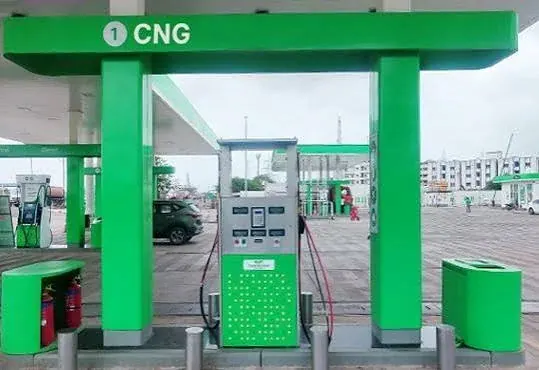
The lack of infrastructure, including a shortage of refuelling facilities and conversion centres, has hindered the implementation of the CNG-powered transportation programme. Motorists have complained about the inadequate infrastructure, which has limited the adoption of CNG-powered vehicles.
Tinubu's directive had raised expectations that transportation fares would begin to fall from October 1. However, the failure of state governments to implement the directive has left many commuters disappointed. The situation has also raised concerns about the ability of state governments to implement the programme.
The implementation of the National Affordable CNG Transit Programme is crucial to reducing transportation costs for Nigerians. The programme has the potential to provide affordable and sustainable transportation options for millions of Nigerians. However, the slow implementation of the programme has raised concerns about its effectiveness.
Key points
- State governments have failed to implement President Bola Tinubu's directive to reduce transportation fares using Compressed Natural Gas-powered buses.
- The lack of infrastructure, including a shortage of refuelling facilities and conversion centres, has hindered the implementation of the CNG-powered transportation programme.
- The failure of state governments to implement the directive has left many commuters paying the same or higher fares for transportation.