The fishing industry in Tanga, Tanzania, is facing significant challenges due to climate change. Fishermen, traders, and service providers at the Deep Sea Fish Market have reported declining fish supplies and falling business. They attribute these changes to rising sea temperatures, changes in water depth, and damage to fish breeding grounds. According to Deep Sea fishing zone chairman Bahero Wathio, fishing has become increasingly unpredictable due to changes in seasonal temperature patterns.
Fishermen in Tanga are struggling to adapt to the changing conditions. Bahero Wathio stated that in the past, fishermen could anticipate productive seasons, but now they can spend considerable sums going out to sea and return with catches too small to cover their expenses. Captain Omari Ally noted that changing marine conditions have complicated fishing, particularly as environmental patterns that fishermen traditionally relied on to locate fish are becoming less predictable. He emphasized the need for education on how to adapt, including identifying alternative fishing grounds and acquiring knowledge to help them continue their activities safely.
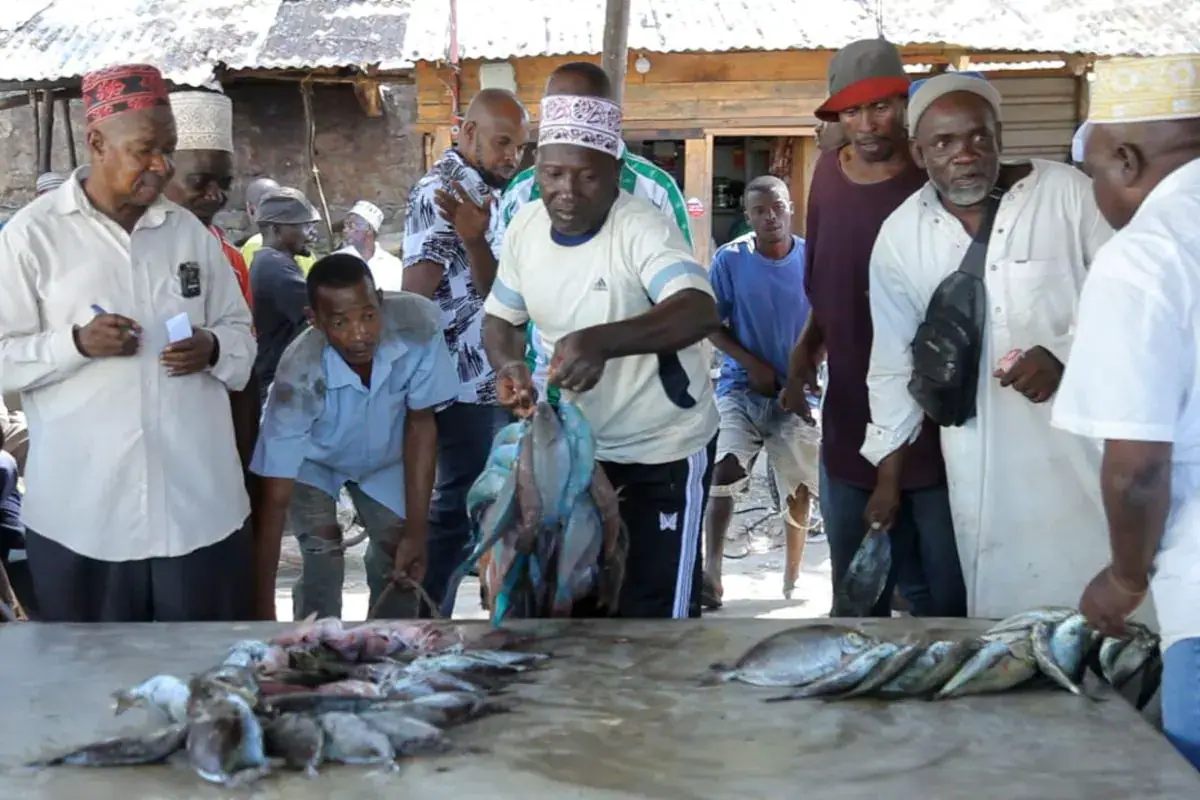
The effects of climate change on the fishing industry are also being felt in the fish trade. Makame Juma, a fish retailer, reported that limited supplies are affecting his business because he can no longer obtain the quantities needed to meet market demand. He stated that small-scale traders depend on access to fish at prices that allow them to make a profit, but shortages are disrupting their businesses and reducing their earnings. Nora Makaranga, Deep Sea Fish Market chairperson, confirmed that the market is facing challenges securing adequate fish supplies, affecting traders who rely on the commodity as their main source of income.
The decline in fish supplies is having a ripple effect on the local economy. Mery Juma, a food vendor at the market, reported that her business depends on a reliable supply of fish for preparing meals. Fluctuations in availability and prices could therefore increase operating costs and affect her business. Tanga City fisheries officer Gladis Manyika noted that climate change is among the challenges capable of altering marine environments and disrupting aquatic ecosystems, with potential consequences for fish availability.
According to Omari Mohamed, the officer in charge of the Fisheries Department at the Ministry of Livestock and Fisheries in the Tanga Zone, rising sea temperatures and changes in water depth could cause some fish species to move away from their usual habitats in search of more suitable environmental conditions. He explained that global warming is contributing to melting ice and rising sea levels, while warmer ocean waters could also disrupt marine ecosystems, including coral reefs that provide important habitats and breeding grounds for some marine species.
The impact of climate change on Tanga's fishing industry highlights the need for sustainable fishing practices and marine conservation. Gladis Manyika emphasized that education on sustainable fishing practices and marine conservation needs to be strengthened to protect fisheries resources for current and future generations. Omari Mohamed added that further research is needed to establish the extent to which these changes are affecting different fish species and their habitats, as well as to develop strategies to help fishermen adapt.
The situation in Tanga underscores the vulnerability of coastal communities to climate change. Fishermen, traders, and service providers are working to find ways to adapt to the changing conditions, but it is clear that urgent action is needed to mitigate the impacts of climate change on the fishing industry. Key stakeholders must come together to develop and implement effective strategies to support sustainable fishing practices and protect the livelihoods of those dependent on the industry.
Key points
- Climate change is disrupting the fishing industry in Tanga, Tanzania, with declining fish stocks and disrupted livelihoods for fishermen and traders.
- Rising sea temperatures and changes in water depth are causing fish species to move away from their usual habitats, making it harder for fishermen to catch fish.
- Education on sustainable fishing practices and marine conservation is crucial to protect fisheries resources and support the livelihoods of those dependent on the industry.