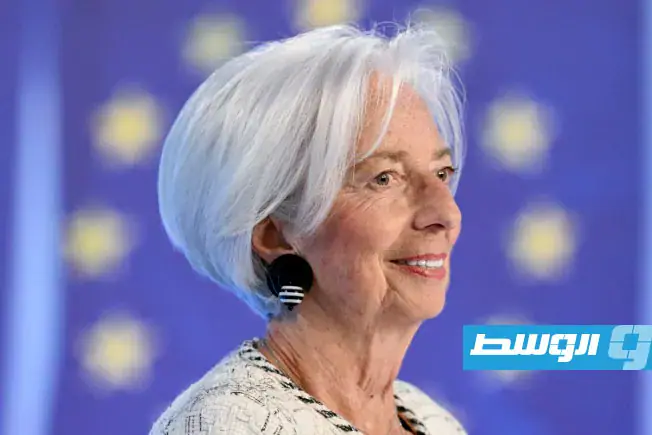
Christine Lagarde, the current president of the European Central Bank (ECB), announced on Thursday, October 29, 2026, that she will step down from her position on February 7, 2027. This decision comes about nine months before her term was set to expire in October 2027. According to a statement from the ECB, Lagarde informed the bank's Governing Council and European Council President António Costa of her decision.
The ECB's Governing Council has expressed its gratitude to Lagarde for her service, and she was met with a standing ovation. Speculation about her next move has been circulating, with some European media outlets suggesting a possible role at the World Economic Forum. Lagarde has been serving as the ECB president since November 1, 2019, and her term is not eligible for renewal.
Lagarde's tenure at the ECB has been marked by significant challenges, including navigating the economic implications of the COVID-19 pandemic and addressing issues related to the eurozone's economic stability. Her decision to step down has raised questions about who will succeed her and what implications this may have for the bank's future policies.
The process for selecting Lagarde's successor is expected to be conducted in accordance with the procedures outlined in the European Union's treaties. The European Council will be responsible for appointing a new president. Lagarde's resignation is not expected to have an immediate impact on the ECB's current policies, but it may lead to a period of transition and potential changes in the bank's leadership.
During her time at the ECB, Lagarde has emphasized the importance of maintaining financial stability and promoting economic growth within the eurozone. Her departure may provide an opportunity for the bank to reassess its priorities and strategies for addressing the economic challenges facing the region.
Lagarde has also been a strong advocate for the euro as a global reserve currency and has highlighted the importance of maintaining the currency's stability. Her experience and expertise will likely continue to be influential in European economic circles, even after she steps down from her current role.
The European Central Bank plays a critical role in maintaining financial stability within the eurozone, and Lagarde's resignation will be closely watched by economic analysts and policymakers. As the bank begins the process of selecting a new president, it will be essential to consider the implications of this change for the bank's future policies and the broader European economy.
Key points
- Christine Lagarde will step down as ECB president on February 7, 2027.
- The European Council will appoint Lagarde's successor in accordance with EU treaties.
- Lagarde's departure may lead to a period of transition and potential changes in the ECB's leadership and policies.