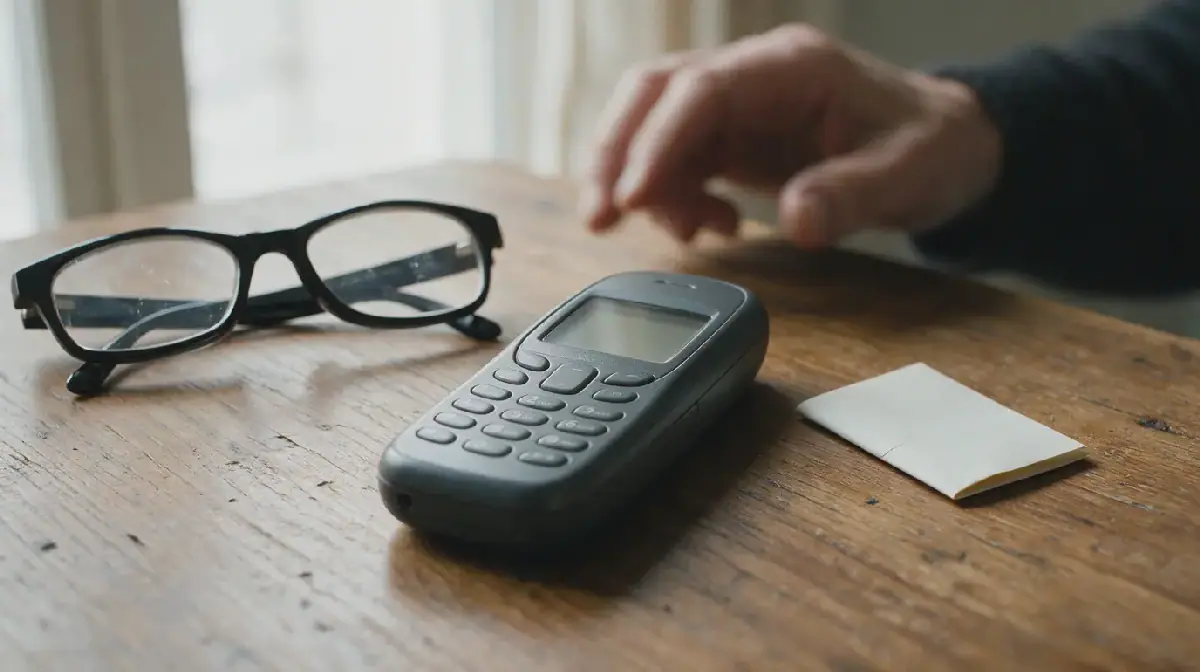
In today's digital age, a non-internet mobile phone provides a reliable solution for individuals looking to reduce distractions or adopt a more straightforward mobile experience. These devices allow users to make calls, send SMS, and perform basic tasks without internet access or applications. This type of phone appeals to users seeking digital sobriety, seniors, children, and those in need of a secondary, efficient device. With enhanced autonomy, robustness, and security, non-internet phones cater to various user profiles.
A non-internet phone is designed for making calls, sending SMS, and occasionally performing simple tasks, all without web access or connected applications. This type of device prioritizes essential features, including extended battery life, robustness, and a streamlined interface. Non-internet phones differ significantly from smartphones, which rely heavily on online services and applications. These devices suit users seeking minimalistic mobile experiences, those who want to limit digital distractions, and seniors or individuals uncomfortable with complex technologies.
Opting for a non-internet phone offers several practical benefits, particularly for those seeking a simpler, more controlled mobile experience. Without applications or online browsing, these devices provide a focused experience centered on making calls and sending messages. One significant advantage is extended battery life, with some models lasting several days or even weeks on a single charge. This endurance makes them a reliable choice for individuals frequently on the move or requiring a secondary device for work or travel.
The robustness of non-internet phones is another notable benefit, as they are often designed with durable materials and reinforced construction, making them less susceptible to damage from drops and wear. Their simplicity also enhances security, as they are naturally protected against viruses, hacking, and online tracking. Furthermore, non-internet phones significantly reduce digital distractions, allowing users to stay focused and limit their exposure to constant notifications.
When selecting a non-internet phone, several key criteria should be considered to ensure a comfortable user experience. Autonomy and battery quality are crucial, as these devices are characterized by their ability to last several days without recharging. Checking the battery capacity, measured in mAh, and the advertised endurance in communication and standby modes can help users make informed decisions. A high-quality battery ensures reliable usage, particularly for individuals who are frequently away from power sources.
Robustness, ergonomics, and ease of use are also essential factors to consider when choosing a non-internet phone. Some models feature reinforced casings or increased resistance to drops, while ergonomic design and well-spaced physical buttons contribute to a comfortable user experience. A simple interface enables quick familiarization, which is particularly useful for seniors or individuals unfamiliar with modern mobile devices. Additionally, users should consider the device's indispensable features, such as a flashlight, FM radio, Bluetooth, or SOS button.
Non-internet phones are available in various categories, each catering to specific needs and preferences. Classic models and flip phones are the most common options, offering compact designs, straightforward interfaces, and reliable performance. Senior-focused devices feature large buttons, enhanced volume, and emergency call buttons, ensuring ease of use and security. Specialized devices for children and professional use also exist, with features such as restricted call lists and rugged, water-resistant designs.
Key points
- Non-internet phones offer extended battery life, robustness, and enhanced security.
- These devices cater to various user profiles, including seniors, children, and those seeking minimalistic mobile experiences.
- When choosing a non-internet phone, users should consider autonomy, robustness, ergonomics, and indispensable features.