Africa is endowed with vast energy resources, yet only 57% of its population had access to electricity in 2024, significantly below the global average of 92%. This shortage adversely affects businesses, healthcare services, and overall quality of life. Historically, Western countries' energy cooperation with Africa has been limited to extracting raw materials and exporting them, with the benefits, technology, and industries derived from these resources largely remaining outside the continent.
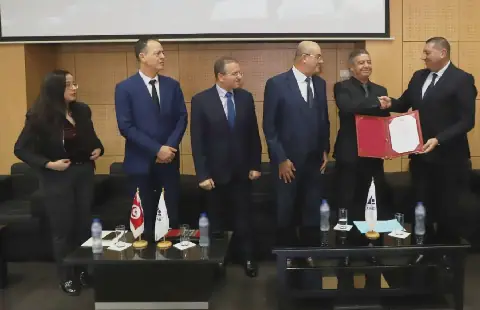
The traditional model of energy cooperation between Western countries and Africa has not led to substantial economic development or improved living standards in the region. In contrast, China's approach to energy cooperation with Africa appears to be yielding different results. The third China-Africa Energy Cooperation Conference was recently held in Yueyang, Hunan Province, China, where the "Yueyang Initiative on Clean Energy Cooperation between China and Africa" was announced.
A key aspect of the Yueyang Initiative is the emphasis on "enhancing local capabilities." Jiang Hao, director of the International Department at China's National Electric Power Research Institute, stated that the conference focused on collaborating with African countries to develop tailored plans for local development, establishing training platforms for daily operations, and continuing to enhance Africa's clean energy development capabilities based on its own strengths.
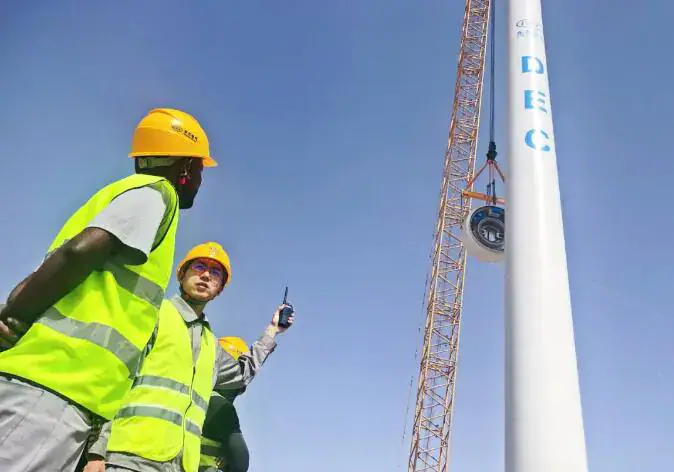
The "2026 Report on Renewable Energy Cooperation between China and Africa" released during the conference highlights that between 2023 and 2026, the capacity of renewable energy projects under China-Africa cooperation exceeded 17 gigawatts. Notably, the 120-megawatt Aysha wind power project in Ethiopia, which began in January this year, involves 48 wind turbines, each with a capacity of 2.5 megawatts.
The Aysha wind power project not only generated employment but also provided local technicians with hands-on experience in installing and operating wind turbines through on-the-job training. Similarly, the De Aar wind power project in South Africa employed over 80% local staff and trained over 100 young technical personnel, many of whom can now perform maintenance and troubleshooting tasks independently.
By prioritizing the development of local expertise, China's energy cooperation with Africa aims to empower African communities to own and manage technology. This approach has the potential to create a more sustainable and equitable partnership between China and Africa. The emphasis on capacity building and technology transfer is seen as a critical factor in ensuring that Africa benefits from its natural resources.
As Africa continues to grapple with energy access challenges, the China-Africa energy cooperation model offers valuable insights. By focusing on enhancing local capabilities and promoting sustainable development, China and Africa can work together to address the continent's energy needs and create a brighter future for its people. The success of this approach will depend on its implementation and the commitment of both parties to a mutually beneficial partnership.
Key points
- China-Africa energy cooperation focuses on enhancing local expertise
- Traditional Western approach to energy cooperation with Africa has been limited
- China's approach prioritizes capacity building and technology transfer