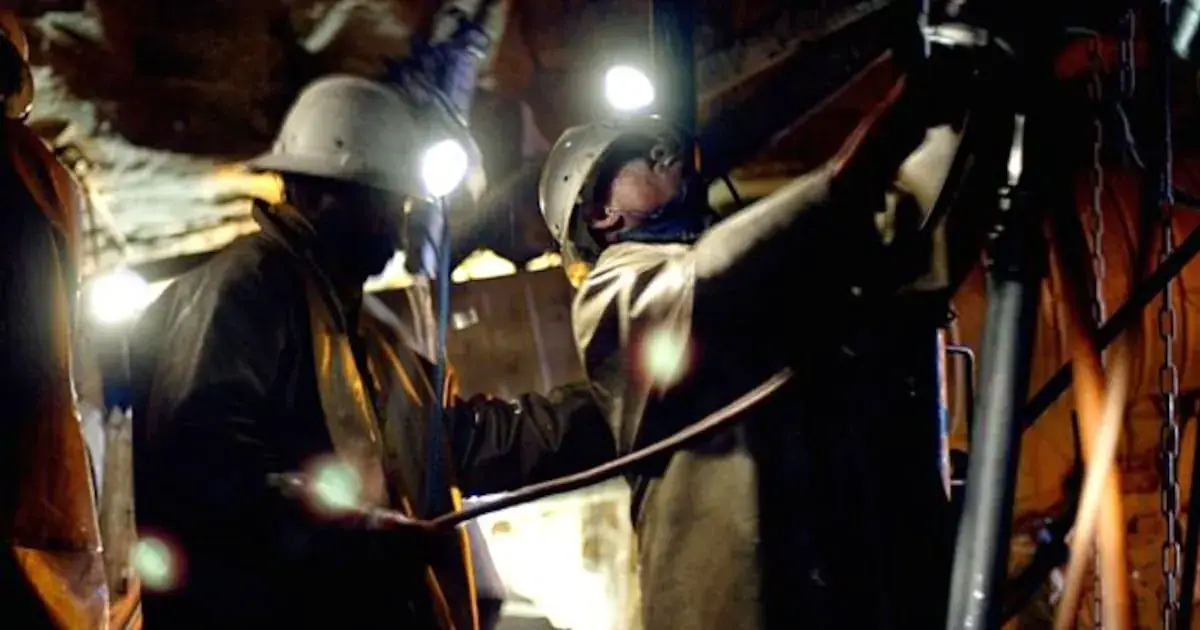
South Africa's Health Minister Aaron Motsoaledi has proposed new legislation to replace the country's apartheid-era laws for compensating miners who contract lung diseases. The draft Compensation for Occupational Diseases in Controlled Mines and Controlled Works Bill was approved by the cabinet in September and released for public comment. The bill aims to provide a better deal for workers, but has been met with criticism from some who argue it erodes workers' rights. The bill proposes a "no fault" compensation system for occupational lung diseases.
The bill has been criticized by Richard Spoor, a lawyer who spearheaded a R5bn silicosis class action lawsuit against gold mining companies. Spoor said the bill "puts the liability squarely on the workers' shoulders" and prohibits workers from taking civil action against mine owners to claim damages for occupational diseases. He expressed concerns that the bill does not integrate with existing mine surveillance and occupational health legislation, and provides immunity for employers. Spoor is now taking aim at coal mining companies on behalf of miners and local communities affected by lung diseases.
However, Barry Kistnasamy, the former compensation commissioner for occupational diseases, who played a central role in drafting the proposed legislation, said it introduces a new and better system for compensating miners sickened by workplace hazards. Kistnasamy said the bill brings social justice and redress, and its introduction of a "no fault" compensation system is in line with good practice in social protection systems. He said this system should prevent future class action lawsuits.
The bill repeals the Occupational Diseases in Mines and Works Act of 1973, which was modelled on the 1912 Miners Phthisis Act and until 1993 discriminated against black miners. Kistnasamy, who retired at the end of October, was appointed commissioner in 2012 to turn around the troubled Mines and Works Compensation Fund. The fund has received an unqualified audit opinion every year since 2019/20 and reported an accumulated surplus of R3.1bn in 2025/26.
The proposed bill establishes penalties for mines and works that expose miners to hazards and enhances the services available to present and former workers. It paves the way for the establishment of a Controlled Mines and Controlled Works Compensation Authority that will oversee medical examinations and determine whether former miners are eligible for lump sum payouts in compensation for lung diseases caused by occupational hazards.
The authority will oversee a fund that will pay compensation to eligible former miners, or if they have died and been awarded posthumously, to their beneficiaries. The authority will be overseen by a 13-member board appointed by the health minister. Trade union federation Cosatu said the clause prohibiting class action suits should be seen in the context of the social compact between business and labour, and was in exchange for improved health and safety measures and greater benefits for workers.
Interested parties have three months to provide input on the bill. Cosatu parliamentary co-ordinator Matthew Parks said the union will subject the bill to interrogation at Nedlac to ensure workers are not shortchanged and are in fact fully protected. The bill's impact on workers' rights and the mining industry will be closely watched as it moves forward.
Key points
- The proposed bill aims to provide a better deal for workers, but has been met with criticism from some who argue it erodes workers' rights.
- The bill proposes a "no fault" compensation system for occupational lung diseases, which could prevent future class action lawsuits.
- The bill establishes penalties for mines and works that expose miners to hazards and enhances the services available to present and former workers.
Reporting sources
- Mines may be exempt from lung disease class action lawsuits · The Rand Daily Mail