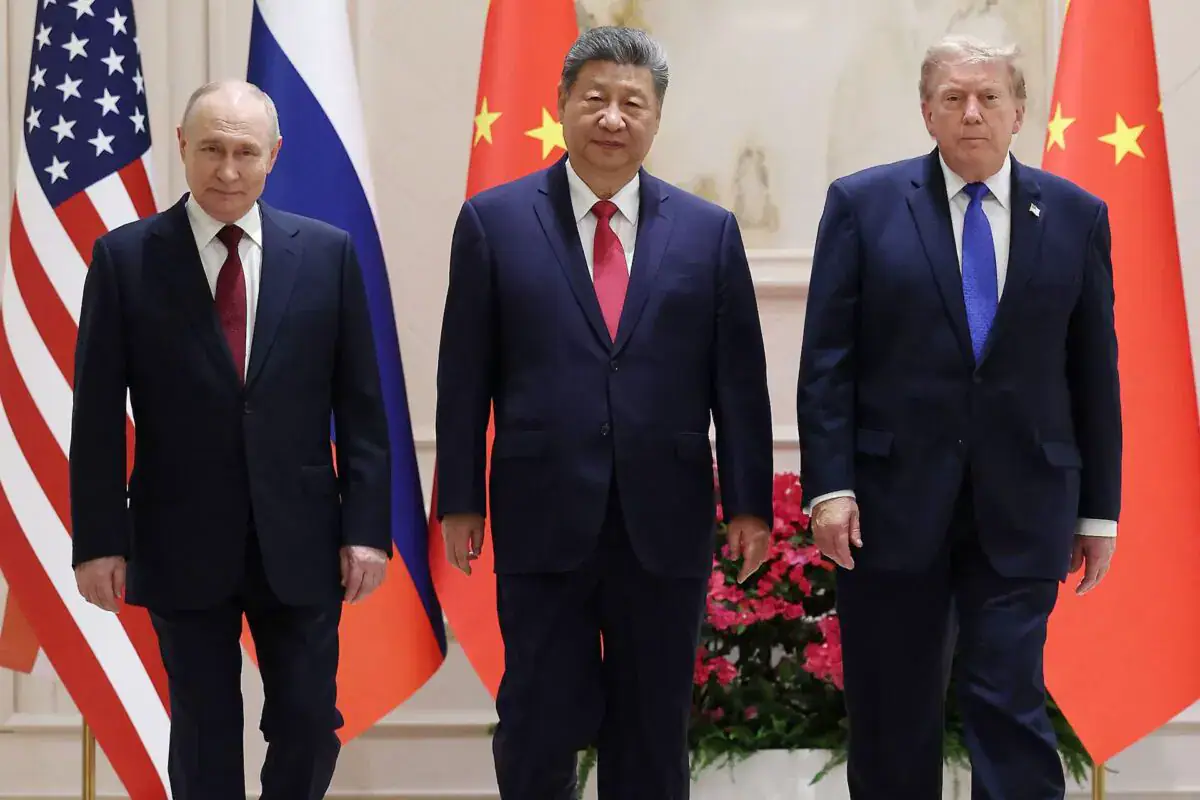
The meeting of the heads of state of China, Russia, and the United States presents an important opportunity to rethink the future of international relations. Chinese President Xi Jinping’s observation that the seeds sown at the meeting will take root, sprout, blossom, and bear fruit captures both the promise of this diplomatic engagement and the responsibility that comes with it. This vision is particularly significant at a time when the international community is grappling with geopolitical tensions, armed conflicts, economic uncertainty, technological disruption, and growing inequalities.
As three influential global powers and permanent members of the United Nations Security Council, China, Russia, and the United States possess considerable capacity to shape the international environment. Their decisions affect not only their respective populations but also the economic prospects, security, and development trajectories of countries across the world. However, diplomatic consensus is only the starting point, and the real test of the meeting will be whether the three countries can translate their commitments into practical cooperation that advances peace, stability, and shared prosperity.
One of the most important lessons of international diplomacy is that disagreements between major powers are inevitable, but confrontation is not. China, Russia, and the United States have different political systems, security interests, and development philosophies. These differences should not prevent them from cooperating on issues that threaten humanity’s collective future, such as the threat of nuclear confrontation, which remains among humanity’s most consequential existential risks.
The three countries should make diplomacy the preferred instrument for addressing regional conflicts, whether in Ukraine, the Middle East, or other geopolitical flashpoints. Lasting solutions require negotiations that recognize legitimate security concerns, respect international law, and take into account the interests of affected populations. They should also champion a more inclusive and representative international order, giving developing countries a stronger voice.
Africa, with its 54 countries and population exceeding 1.5 billion, deserves a more meaningful role in shaping decisions on international peace, security, trade, and development. Economic cooperation should become an instrument of shared prosperity rather than geopolitical competition. The three countries possess complementary economic capabilities that could generate enormous benefits if harnessed constructively, such as the United States’ strengths in scientific research, finance, and technological innovation.
Technological advancement must become a shared global responsibility, with China, Russia, and the United States promoting cooperation on responsible artificial intelligence, cybersecurity, digital governance, and the prevention of emerging technologies being used in ways that threaten international peace. The success of international relations should ultimately be measured by improvements in people’s lives, with peace and geopolitical stability translating into tangible progress in reducing poverty, addressing hunger, and improving healthcare.
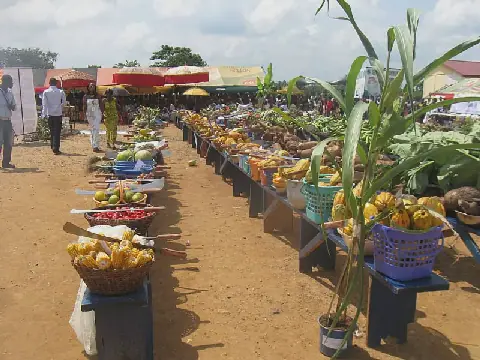
Africa presents an important opportunity for practical trilateral cooperation, with the three countries supporting agricultural modernization, renewable energy development, healthcare infrastructure, technical education, and scientific research across the continent. President Xi’s imagery of seeds taking root, sprouting, blossoming, and bearing fruit offers a compelling vision of what the meeting could achieve, with diplomatic goodwill, mutual trust, sustained institutional cooperation, and tangible improvements in global peace, security, and prosperity representing the fruits.
Key points
- The three countries should identify areas where cooperation can address shared global challenges.
- They should champion a more inclusive and representative international order.
- Technological advancement must become a shared global responsibility.
Reporting sources
- How China, Russia and the United States can help build a better world · Kenya Broadcasting Corporation