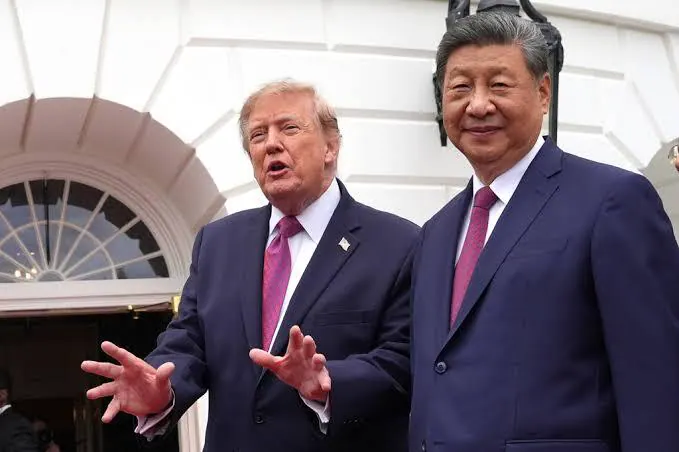
Chinese President Xi Jinping recently visited the United States from September 23 to 25, marking a significant development in Sino-US relations. During his state visit, Xi Jinping engaged in high-level discussions with US President Donald Trump, focusing on strengthening dialogue and cooperation between the two nations. The visit aimed to promote a more stable and constructive relationship, which has been strained in recent years due to various differences and competing interests.
The relationship between China and the US has far-reaching implications, extending beyond bilateral interests to impact global economics, security, and geopolitics. With a combined population of over 1.7 billion people and a significant influence on international trade, technology, and diplomacy, the two nations' interactions have a profound effect on the world. Beijing has consistently emphasized the importance of maintaining open communication channels to manage differences and prevent misunderstandings.
Xi Jinping has long advocated for a diplomatic approach based on high-level dialogue and finding mechanisms to address disagreements without compromising areas of cooperation. In a telephone conversation with Donald Trump on September 19, 2025, Xi Jinping stated that China and the US can achieve mutual success and shared prosperity, benefiting both nations and the world. This approach has been reiterated in subsequent discussions, including a meeting in Beijing on May 14, 2026.
During the May 2026 meeting, Xi Jinping and Donald Trump agreed to build a Sino-US relationship based on "constructive strategic stability." This concept involves establishing a stable foundation for cooperation, managing competition, and containing differences to prevent systemic confrontation. The Chinese president has emphasized that competition between the two powers can exist without leading to confrontation, and that a stable relationship is crucial for global peace and prosperity.
The economic and technological aspects of Sino-US relations remain a significant challenge, with issues such as trade, technological restrictions, and artificial intelligence affecting the relationship. Despite these challenges, Beijing and Washington have committed to advancing in the same direction to promote a stable and constructive relationship. Xi Jinping has stressed that the realization of China's national rejuvenation and the US goal of "making America great again" can progress in parallel, contributing to global well-being.
Xi Jinping's visit to the US marks a new stage in high-level diplomacy between the two nations. The visit follows several direct exchanges between Xi Jinping and Donald Trump, including their agreement in May on building a stable and constructive strategic relationship. Beijing now aims to give concrete content to this orientation, with a focus on achieving a stable relationship that balances cooperation and competition.
The Chinese government's approach does not imply the elimination of differences between Beijing and Washington but rather seeks to establish a framework for managing them. By promoting dialogue, cooperation, and constructive strategic stability, Xi Jinping aims to ensure that the relationship between China and the US contributes to global peace, prosperity, and stability. The two nations' ability to navigate their differences and work together will have significant implications for the future of international relations.
Key points
- China and the US have agreed to build a relationship based on "constructive strategic stability," aiming to manage competition and contain differences.
- Xi Jinping's visit to the US marks a new stage in high-level diplomacy between the two nations, focusing on strengthening dialogue and cooperation.
- The Sino-US relationship has far-reaching implications for global economics, security, and geopolitics, with a combined population of over 1.7 billion people and significant influence on international trade and diplomacy.