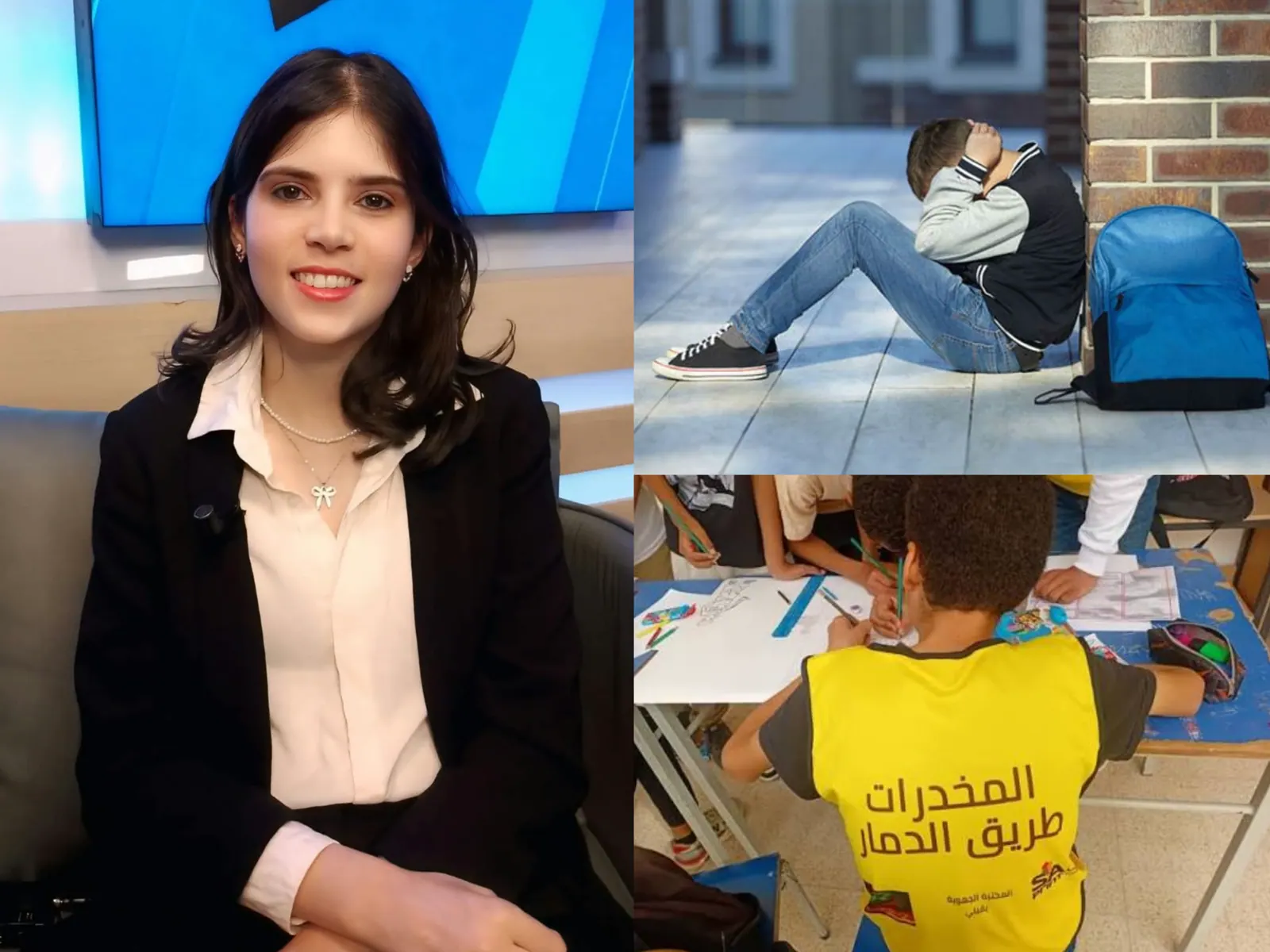
In recent days, several incidents have highlighted the growing concerns about the safety and well-being of children and students in Tunisia. A student was arrested in Hammamet on suspicion of promoting drugs in the school environment, while a murder took place in Sousse, with the victim being a student. Furthermore, a child was tragically swept away by floodwaters in Siliana. These incidents underscore the need for a comprehensive approach to address the various risks faced by children.
According to sociologist Professor Nesserine Ben Blcassim, the risks faced by children in Tunisia have become increasingly diverse, ranging from drug abuse and violence to crime and accidents. She attributes this to the decline of the family's role in socialization, citing economic and social pressures that have led parents to prioritize their own needs over those of their children. Additionally, the proliferation of social media has created new challenges for children, who are often left unsupervised.
The school, which is supposed to be a safe and nurturing environment, has also seen a decline in its role, with violence and aggression becoming more prevalent. Professor Ben Blcassim notes that the current generation of children has grown up in a different context than previous generations, with technology and social media playing a significant role in shaping their experiences and worldviews.
Early signs of a child's exposure to psychological or social problems may include changes in behavior, such as increased aggression or withdrawal. Professor Ben Blcassim emphasizes the importance of parental involvement and monitoring in identifying these signs, as well as the need for schools to provide a supportive and caring environment.
Dropping out of school early can increase a child's vulnerability, particularly in the absence of alternative support systems. Professor Ben Blcassim warns that children who leave school at a young age are more likely to be exposed to negative influences and risks, including exploitation and violence.
The role of the family and school in preventing and addressing these issues is critical, but Professor Ben Blcassim argues that both institutions have seen a decline in their effectiveness. She advocates for a more comprehensive approach that involves not only security measures but also social and psychological support.
In the aftermath of a traumatic event, providing psychological support and care is essential. Professor Ben Blcassim stresses the importance of having trained professionals available to help children and families cope with the emotional and psychological impact of such events.
Key points
- The need for a comprehensive approach to address the diverse risks faced by children in Tunisia.
- The importance of parental involvement and monitoring in identifying early signs of a child's exposure to psychological or social problems.
- The role of the family and school in preventing and addressing these issues requires review and strengthening.