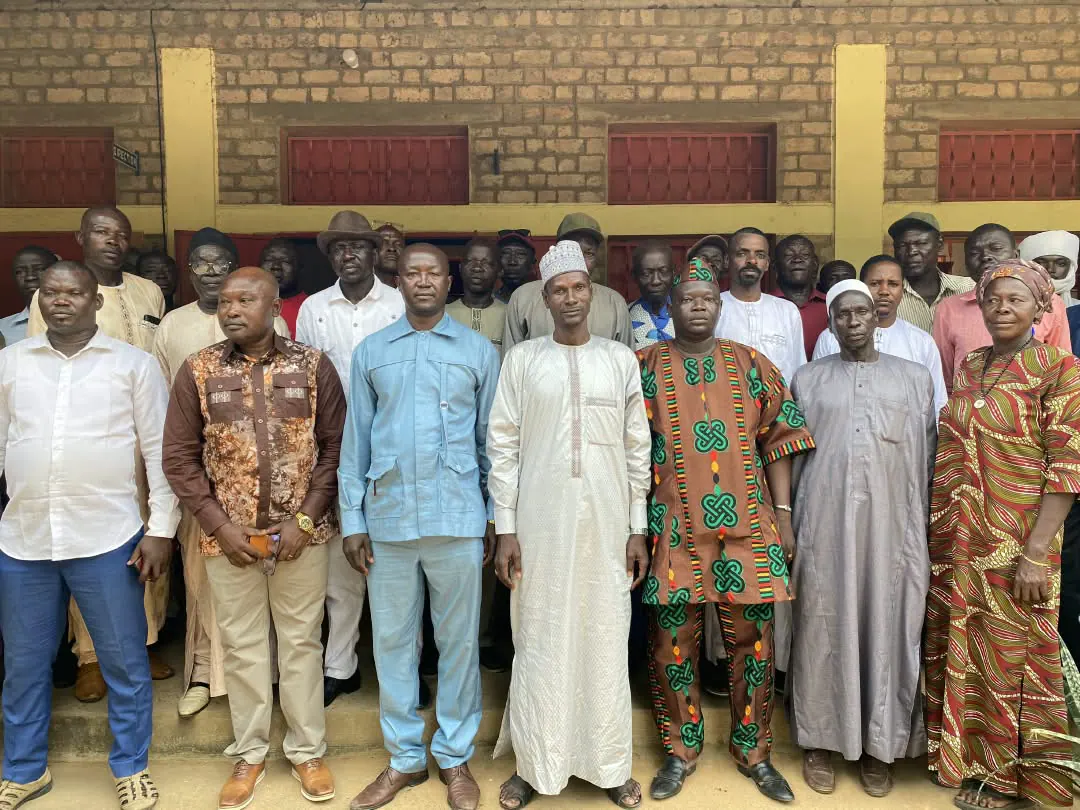
The Centre for Humanitarian Dialogue (HD) recently convened a meeting in Sarh, Chad, from October 2-3, 2026, to bring together stakeholders engaged in preventing conflicts between farmers and herders. The gathering aimed to foster dialogue and collaboration among various agropastoral mediator networks in Moyen-Chari. The meeting drew participants from several localities, including sub-prefects, traditional chiefs, and agropastoral mediators.
The meeting is part of the "Prevention and Mitigation of the Impact of Local Conflicts in Central African Border Areas" project. According to Nadji Nelambaye, HD's mediation officer, the meeting provides an opportunity for stakeholders to share experiences and collectively address challenges encountered in the field. He highlighted that several factors can fuel tensions between communities, including access to agricultural land, grazing areas, water points, transhumance, animal straying, and difficulties related to passage corridors.
Nelambaye emphasized the crucial role of mediators in preventing and resolving conflicts. He stressed that, as they are close to the communities, mediators can quickly intervene to promote dialogue, bring conflicting parties together, and help find mutually acceptable solutions. Nelambaye also underscored the importance of guiding principles, including listening, neutrality, impartiality, and respect among parties. He urged stakeholders to work collectively to make a positive impact.
Ngomsembaye Allahoguina Voltaire, secretary-general of the Barh-Koh department, attended the meeting and welcomed the HD initiative. He noted that peace and security issues transcend borders and that Chad is exposed to the effects of crises in neighboring countries. These situations can directly affect rural communities, including both farmers and herders. Voltaire called on mediators to preserve the trust placed in them by populations and authorities.
Voltaire emphasized the need for mediators to remain impartial and neutral in their interventions. He assured them that administrative and traditional authorities would continue to support their missions. The meeting brought together mediator networks from Maro, Sido, Djek-Djeke, Moussoro, Danamadji-Moyo, Djoli-Balimba, and Komogo-Sandana.
The Centre for Humanitarian Dialogue aims to strengthen the capacity of agropastoral mediators to prevent and manage conflicts in Moyen-Chari. By fostering collaboration and dialogue among stakeholders, the project seeks to promote peaceful coexistence between farmers and herders. The meeting in Sarh is a step towards achieving this goal.
The enhanced collaboration among agropastoral mediators is expected to have a positive impact on conflict prevention and management in Moyen-Chari. By working together and sharing experiences, mediators can develop effective strategies to address the root causes of conflicts and promote sustainable peace in the region.
Key points
- - The Centre for Humanitarian Dialogue convened a meeting in Sarh, Chad, to strengthen collaboration among agropastoral mediators. - The meeting aimed to prevent conflicts between farmers and herders by fostering dialogue and collaboration among mediator networks. - Mediators play a crucial role in promoting peaceful coexistence between farmers and herders in Moyen-Chari.