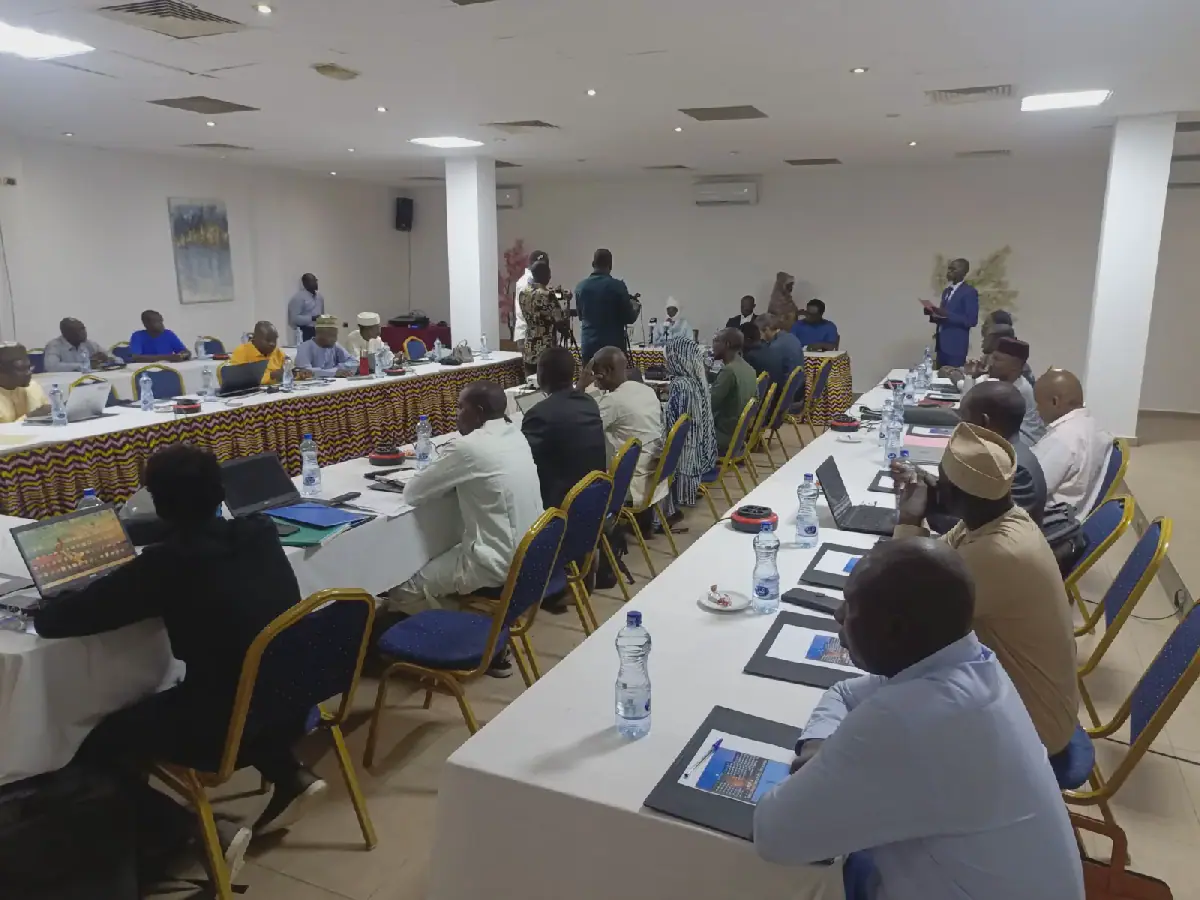
The Chadian Ministry of Water and Energy is hosting a two-day workshop in N'Djamena, from November 12 to 13, to validate its strategic framework for monitoring groundwater resources. This initiative aims to address the country's growing water needs and the impacts of climate change. With the increasing variability in climate, rising water demands, and population displacements, the need for effective management of groundwater resources has become more pressing.
According to Dr. Sylvain Nkwenkeu, Deputy Representative of UNICEF, waiting for boreholes to significantly decrease in yield or water quality to deteriorate is not a viable option. The country's water resources are crucial for its development, especially in the face of climate change, droughts, floods, and increasing pressure on water availability and quality. The framework seeks to establish a national system for efficient groundwater monitoring, enhance technical and institutional capacities, and improve data collection and sharing.
Nour Saleh Haggar, Secretary General of the Ministry of Water and Energy, emphasized that groundwater resources are strategic for providing potable water and ensuring population resilience. However, their sustainable management requires regular monitoring to assess availability, prevent scarcity and quality degradation, and guide exploitation and protection decisions. The ministry initiated this strategic framework to address these challenges and ensure the long-term sustainability of groundwater resources.
The workshop follows a previous one held in Bongor and aims to validate the revised version of the strategic framework. The framework's development is a response to the need for a coordinated approach to managing groundwater resources, which are critical for meeting the country's water demands. Effective implementation of the framework will require strengthened coordination, clarified responsibilities, capacity building, and resource mobilization.
Key stakeholders, including government officials, experts, and representatives from international organizations, are attending the workshop to review and validate the framework. The framework's adoption is expected to enhance the country's ability to monitor and manage its groundwater resources sustainably. This, in turn, will contribute to improving access to safe drinking water and promoting economic development.
The challenges facing Chad's water sector are multifaceted, with climate change, population growth, and urbanization putting pressure on existing water resources. The country's groundwater resources are particularly vulnerable to over-extraction and contamination, which can have severe consequences for human health and the environment. The strategic framework for groundwater monitoring is a critical step towards addressing these challenges.
The validation of the strategic framework marks an important milestone in Chad's efforts to manage its groundwater resources sustainably. Its implementation will require continued collaboration and commitment from all stakeholders, including government agencies, international organizations, and local communities. Three key points underpin the significance of this initiative:
Key points
- The framework aims to establish a national system for efficient groundwater monitoring.
- Effective implementation will require strengthened coordination, clarified responsibilities, capacity building, and resource mobilization.
- The framework's adoption is expected to enhance the country's ability to monitor and manage its groundwater resources sustainably.