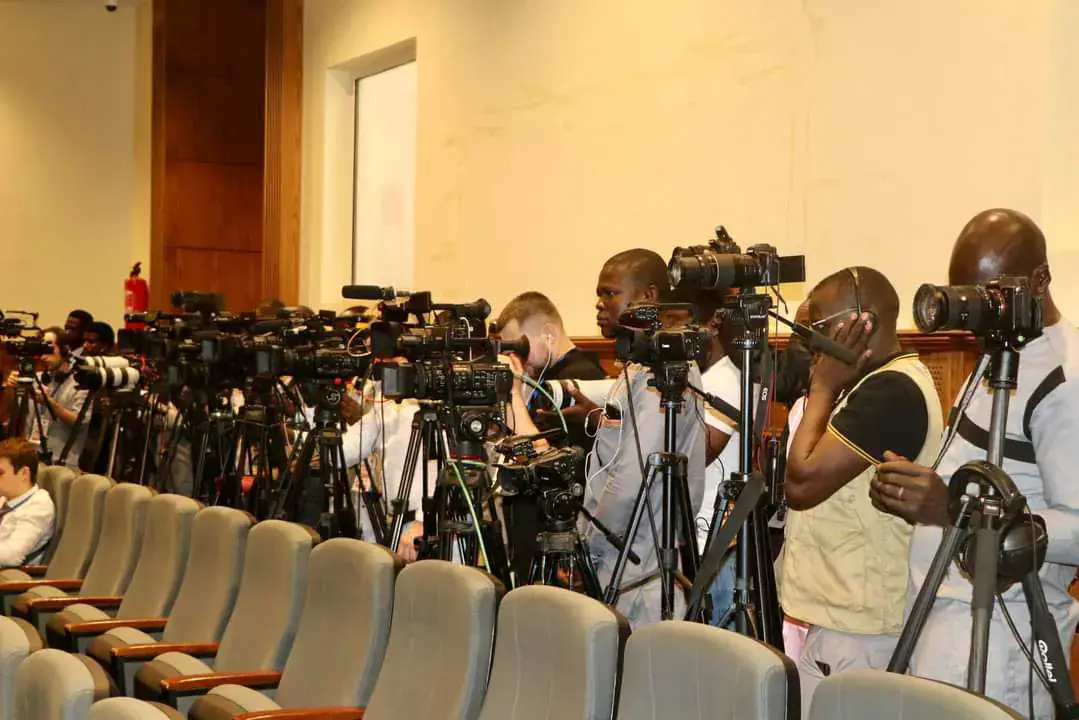
The world celebrated the International Day to End Impunity for Crimes Against Journalists on November 2, 2026. This day was established by the United Nations General Assembly in 2013 to honor the memory of Ghislaine Dupont and Claude Verlon, two Radio France Internationale journalists assassinated in Kidal, Mali. Despite the passing of 13 years since their tragic deaths, the situation remains concerning globally, with approximately nine out of ten crimes against journalists going unpunished.
According to UNESCO data, the lack of accountability for crimes against journalists perpetuates a culture of fear and intimidation. In Chad, the Constitution guarantees freedom of expression and press, but the reality on the ground is marred by numerous challenges. Organizations such as Reporters Without Borders have documented cases of intimidation, summoning, and arrest of journalists and correspondents, including those in the provinces. Journalists covering sensitive topics, particularly those related to local governance, often face pressure and reprisals.
The situation in Chad is reflective of a broader global issue. The UNESCO emphasizes that impunity for crimes against journalists is not only an injustice to the victims and their families but also a threat to society as a whole. When perpetrators of violence against journalists are not identified or prosecuted, it creates a climate of fear, sending a chilling message to the profession to remain silent rather than inform. This is why the November 2 commemoration serves as an opportunity to call on judicial and administrative authorities to investigate and prosecute crimes against journalists.
In Chad, as in many other countries, journalists who tackle sensitive subjects often resort to self-censorship to avoid threats and preserve their security. The Chadian media professionals expect concrete measures from authorities, including the effective implementation of laws guaranteeing press freedom, better protection for journalists, and a fight against all forms of impunity. The safety of journalists is essential to ensuring press freedom, which is a cornerstone of democracy.
The International Day to End Impunity for Crimes Against Journalists serves as a reminder of the importance of protecting journalists and promoting press freedom. In Chad, media professionals continue to face significant challenges, including arbitrary arrests, kidnappings, acts of torture, threats, and assassinations. These risks highlight the need for authorities to take concrete steps to ensure journalists' safety and security.
To effectively address the issue of impunity, it is crucial that authorities in Chad and worldwide prioritize the investigation and prosecution of crimes against journalists. This includes ensuring that laws protecting journalists are enforced and that perpetrators are held accountable. By doing so, governments can help create a safer environment for journalists to operate, which is essential for a healthy democracy.
Ultimately, the fight against impunity for crimes against journalists requires a sustained effort from governments, media organizations, and civil society. By working together, it is possible to create a safer and more enabling environment for journalists to perform their critical role in society. This, in turn, will help promote press freedom, accountability, and good governance.
Key points
- The International Day to End Impunity for Crimes Against Journalists highlights the need for authorities to investigate and prosecute crimes against journalists to ensure press freedom and safety.