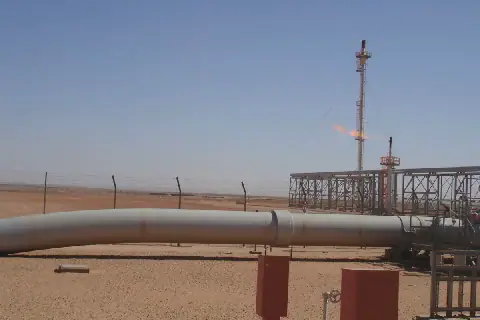
The Central African Republic is bracing for a nationwide mobilization against the recent surge in fuel prices. The opposition, led by Nicolas Tiangaye, a former Prime Minister and president of the Convention républicaine pour le progrès social (CRPS), has vowed to press on with the protest scheduled for November 13. Despite government warnings of potential bans, Tiangaye and his allies are determined to voice their discontent with the rising costs.
Tiangaye's opposition bloc, part of the Bloc républicain pour la défense de la Constitution (BRDC), argues that the government's policies are disproportionately affecting the population. The former Prime Minister specifically demands greater transparency regarding the contract between the state and the Cameroonian company Neptune Oil SA. This contract is seen as a critical point of contention, with many questioning the benefits it brings to the Central African Republic.
The fuel price hike has sent shockwaves throughout the country, exacerbating existing economic challenges. As the government grapples with the fallout, it has threatened to ban the planned protest, citing concerns over public order. However, the opposition remains resolute, with Tiangaye and others insisting that their right to peaceful assembly will not be infringed upon.
The situation is being closely watched by various stakeholders, including international observers and local human rights groups. There are concerns that the government's heavy-handed approach could further inflame tensions, potentially leading to widespread unrest. The Central African Republic has experienced periods of significant instability in the past, and many are hoping that the current situation can be managed without major incident.
Nicolas Tiangaye's call to action has garnered support from various quarters, with many citizens expressing frustration over the rising cost of living. The former Prime Minister's stance has been characterized as a principled stand against policies that are seen as favoring a select few at the expense of the broader population. As the protest approaches, all eyes are on the government's response and the potential impact on the country's fragile stability.
The economic implications of the fuel price hike are far-reaching, affecting not just the cost of transportation but also the price of goods and services. With many Central Africans struggling to make ends meet, the opposition's mobilization is seen as a critical moment in the country's ongoing struggle for economic stability and social justice.
As the nation prepares for the November 13 protest, the international community is watching closely. The African Union and other regional bodies have been urged to take a keen interest in the developments, with many hoping that a peaceful resolution can be found. The outcome of this standoff will likely have significant repercussions for the Central African Republic's future, both domestically and internationally.
Key points
- The opposition's main demand is for transparency on the contract between the state and Neptune Oil SA.