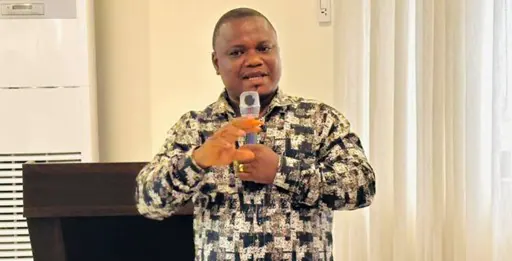
The Center for Transparency and Accountability in Liberia (CENTAL) has emphasized the need for stronger legal, institutional, and anti-corruption measures in Liberia's mining sector. According to CENTAL Executive Director Anderson Miamen, weak enforcement of mining laws, bribery, underreporting, and limited transparency in beneficial ownership pose significant governance challenges. These challenges affect not only citizens but also the government, leading to issues such as poverty, underdevelopment, and environmental pollution.
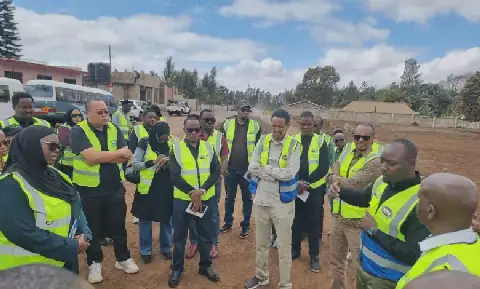
A roundtable discussion organized by CENTAL in partnership with various civil society organizations aimed to address these challenges and develop recommendations for promoting more inclusive and sustainable development in the mining sector. The event brought together local stakeholders to discuss issues affecting the sector and identify solutions. Miamen highlighted weak enforcement of mining-related laws as a central problem requiring attention, emphasizing that effective enforcement depends on institutional capacity and public agencies' ability to ensure compliance.
Corruption, including bribery, and underreporting are significant concerns in the sector. Miamen stressed the importance of beneficial ownership transparency, which is crucial in an extractive industry where substantial financial interests are tied to concessions, contracts, and commercial relationships. Knowing who ultimately owns or controls companies operating in the sector helps strengthen accountability and allows the public and regulators to better understand the interests behind mining operations.
To address these challenges, Miamen proposed amendments to Liberia's mining laws, including anti-corruption mechanisms and a dedicated anti-corruption court. The proposed court aims to accelerate the handling of corruption cases, which is a concern due to the slow pace at which such cases move through the justice system. A community monitoring body was also recommended, allowing communities to participate in overseeing mining activities and raise concerns about developments affecting their land, livelihoods, and environment.
These recommendations come as Liberia seeks to expand mining activity while improving governance, investment conditions, and the contribution of natural resources to national development. The government has been emphasizing greater value addition and local participation in the minerals sector. However, growth in mining raises the stakes for oversight, and the effectiveness of initiatives depends on transparency, monitoring, and meaningful participation by affected communities.
The Liberia Extractive Industries Transparency Initiative's (LEITI) 2026 work plan includes activities on contract transparency, beneficial ownership, anti-corruption, extractive-sector reporting, and public disclosure of extractive revenues. The government has also been working to ensure that mining revenues deliver tangible benefits to communities. In August 2026, the Ministry of Mines and Energy convened stakeholders to discuss implementation of a US$5 million annual Community Development Fund under ArcelorMittal Liberia's Third Mineral Development Agreement.
The proposed reforms reflect a shared agenda among civil society organizations, local communities, and other stakeholders to promote inclusive, transparent, accountable, equitable, and sustainable mining governance in Liberia. The agenda prioritizes critical reforms to improve mining governance and ensure greater benefits for Liberia, addressing economic, environmental, social, and human rights challenges in the sector.
Key points
- CENTAL urges Liberia to establish an anti-corruption court to address corruption in the mining sector.
- The organization recommends community monitoring and beneficial ownership transparency to promote accountability.
- The proposed reforms aim to ensure that Liberia's mineral wealth contributes to lasting institutions and sustainable development.