For years, residents of Madaba District in Tanzania faced significant challenges in accessing essential healthcare services, often requiring long-distance travel for treatment. However, the situation is gradually improving due to investments in health infrastructure, medical equipment, and human resources. Since the establishment of Madaba District Council on September 25, 2015, the government has constructed and strengthened various health facilities, including the district hospital, health centers, and dispensaries.
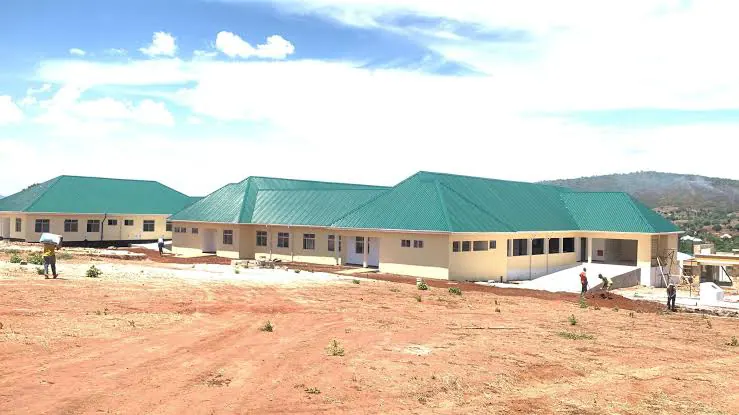
The district now boasts a total of 281 health workers, comprising 26 doctors and 255 other health professionals from different cadres. The construction of Madaba District Hospital, which began providing services in September 2023, has been a significant development. Built at a cost of 4.4 billion Tanzanian shillings, funded by the central government, the hospital offers a range of medical services, including diagnostic, treatment, and specialized services.
The hospital has reduced residents' reliance on traveling over 120 kilometers to Songea for treatment and decreased the need for referrals outside the district for some services. Madaba District Hospital provides various services, including outpatient and inpatient care, dental care, maternal, paternal, and child health clinics, surgery, and laboratory services. The government has also facilitated the provision of medical equipment to enable health professionals to provide services more effectively.
Efforts to increase the number of health workers have continued, alongside measures to improve access to specialized medical care. Madaba District Hospital has received specialist doctors through the Samia Specialist Doctors Programme, who have provided services in three phases. Other specialist doctors have also visited the district in four phases to offer services in different areas of medicine.
Madaba District Medical Officer, Dr. Dickson Mero, noted that the investment has produced visible changes in healthcare delivery across the district. He cited improvements in various areas, enabling the provision of services within the district and reducing challenges residents previously faced when seeking healthcare. Dr. Mero emphasized that despite achievements, the district continues to improve areas requiring greater attention to ensure every resident receives quality, safe, and timely healthcare.
The government has constructed nine dispensaries and health centers since the council's establishment, bringing healthcare services closer to residents. Among these projects is Mtyangimbole Health Centre, completed in 2020 at a cost of 500 million Tanzanian shillings. The construction of Matetereka Health Centre cost over 500 million shillings, while Mbangamawe Dispensary was completed in 2019 at a cost of 140.2 million shillings.
The impact of the investment is reflected in the number of people using the facilities, with 66,582 residents receiving services at health facilities across the district in 2025. The government has allocated 236 million shillings for the construction of Ifugwa Dispensary and 500 million shillings for an administration building at Madaba District Hospital, with construction already underway.
Key points
- The construction of Madaba District Hospital has expanded medical services within the district, reducing residents' reliance on traveling to Songea for treatment.
- The government has invested heavily in healthcare infrastructure, medical equipment, and human resources in Madaba District.
- The district has seen a significant increase in the number of health workers, with 281 health professionals now working in the district.