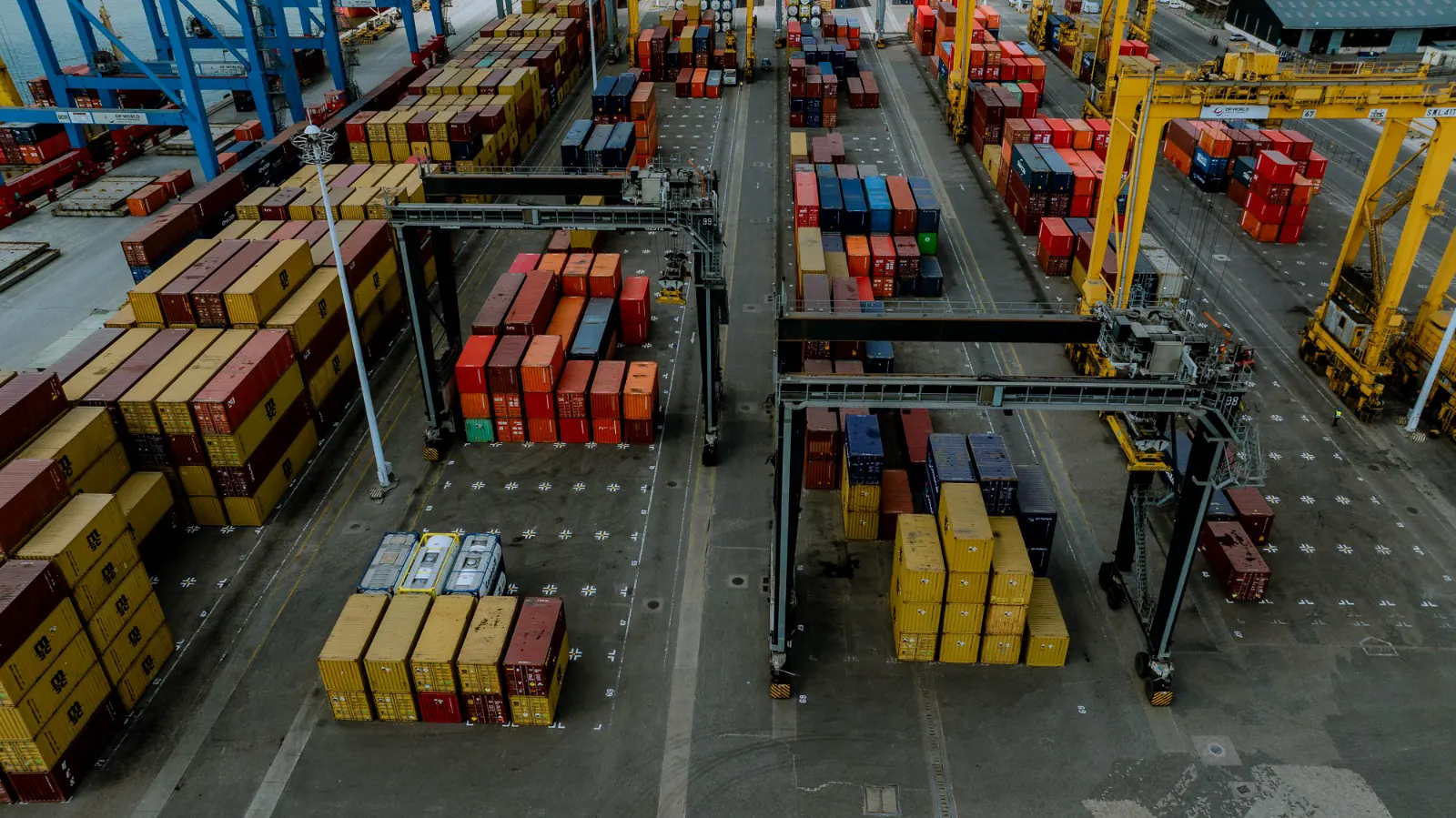
Transit cargo through Dar es Salaam Port in Tanzania rose 17 percent to 14.61 million tonnes in the 2025/26 financial year. The increase is largely attributed to stronger flows to the Democratic Republic of Congo, Zambia, and Rwanda. DRC-bound cargo increased 30 percent to 7.77 million tonnes, accounting for more than half of Dar es Salaam's transit traffic. Zambia remained one of the port's largest markets at 3.41 million tonnes, while Rwanda-bound volumes rose 24 percent to 2.18 million tonnes.
The growth in transit cargo is part of a broader rise in activity at Dar es Salaam Port. Total cargo handled reached 33.71 million tonnes in 2025/26, up 21.5 percent from a year earlier. According to official port data, the average time container vessels spent at berth fell from about 10 days to three. This improvement is attributed to private investment in port operations by TEAGTL and global operator DP World. DP World has deployed USD123 million on equipment, infrastructure, technology, and operating systems at Dar es Salaam Port's Terminal 1.
DP World's investment at Terminal 1 has led to significant improvements in cargo discharge times. Recent reports indicate that cargo discharge times for comparable operations have fallen from more than 300 hours to under 28 hours since operations began in April 2024 under a 30-year concession. The port operator has commissioned eight new diesel-electric Rubber Tyred Gantry Cranes (RTGs), specialised equipment used for handling containers. Container traffic has also risen, with four consecutive record-breaking months of throughput.
Dar es Salaam Port has received larger and more specialised vehicle carriers, including the 240-metre M/V RAMHAN, which discharged close to 7,900 heavy-duty vehicles in just over 27 hours. The port has also seen increased handling of dry bulk, general cargo, and roll-on/roll-off traffic. Government plans envisage additional dry-bulk equipment intended to lift handling capacity by 65 percent for cargo such as wheat, sulphur, and fertiliser.
The Tanzanian government has begun commercial freight operations on the Standard Gauge Railway between Dar es Salaam and Dodoma. Construction continues on sections intended to extend the network westwards. A planned freight terminal at Morogoro is designed to connect rail cargo with road transport serving domestic and neighbouring markets. The dry port at Kwala is already receiving trains from Dar es Salaam and is designed to handle about 300,000 containers a year.
The Tanzanian government is addressing road bottlenecks, including the widening of the border approach at Tunduma from one lane to four. The administrative side is also changing, with TASAC preparing to introduce a new Maritime Transport e-Regulatory System in September. The system will allow maritime service providers to process licences, registrations, and supporting documents online.
DP World's regional role was illustrated through its work with the United Nations World Food Programme, which moved 5,000 tonnes of rice through Dar es Salaam for onward distribution to Burundi, DRC, and Rwanda. The shipment shows how changes at the waterfront connect with a much longer logistics chain extending deep into neighbouring markets. The commercial contest will increasingly be decided across the full corridor, including how quickly a vessel is handled, how efficiently cargo clears the port, and whether rail or trucks are available.
Key points
- Dar es Salaam Port's transit cargo rose 17 percent to 14.61 million tonnes in 2025/26.
- DP World has deployed USD123 million on equipment, infrastructure, technology, and operating systems at Dar es Salaam Port's Terminal 1.
- The Tanzanian government is investing in rail and road infrastructure to improve corridor efficiency.