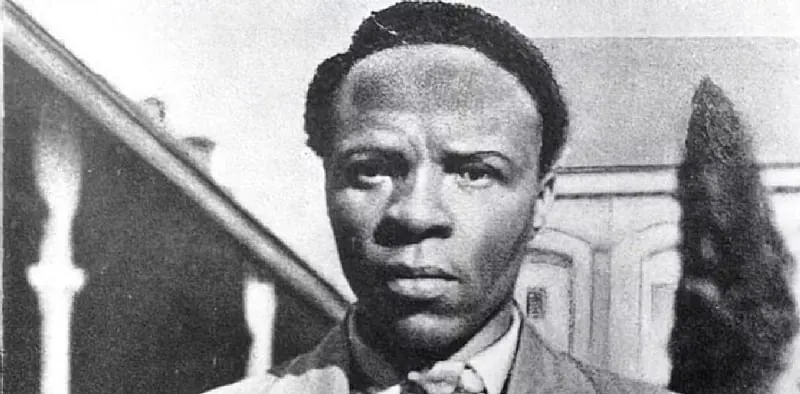
Solomon Tshekisho “Sol” Plaatje was born on October 9, 1876, in the rural interior of what is now South Africa. He was raised in a Setswana-speaking Barolong family on a German mission station in the then Cape Colony. At the time, the region comprised British colonies, independent Boer republics, and territories under African control. This diverse upbringing would shape Plaatje's future as a prominent Black figure in South Africa.
Plaatje's legacy extends far beyond his notable work as a journalist, newspaper editor, and writer. He was a campaigner for rights and the founding general secretary of the African National Congress, a resistance movement that would one day govern a democratic South Africa. His connections with key figures in the global Black diaspora, the women's suffrage movement, and universities at home and abroad demonstrate his commitment to collaboration and change.
Plaatje's unique ability to merge insights from various knowledge systems, languages, and creative practices made him a respected figure. His friends called him the “walking library” due to his vast grasp of literatures, oral histories, news, and commentaries. He drew on this rich mix to engage with leaders, crowds, and ordinary people, making him a compelling voice for change.
Recent biographical treatments have offered deeper dives into Plaatje's life, including historian Brian Willan's expansive Sol T. Plaatje: A Life (2018) and writer Sabata-Mpho Mokae's evocative translation of Modiri Molema's 1965 manuscript, Solomon Tshekisho Plaatje: Lover of His People (2022). These works provide new insights into Plaatje's life and legacy.
Plaatje's emphasis on language preservation and promotion is a significant aspect of his legacy. He advocated for African languages to take up their rightful place in an appreciation of “world culture.” His works, such as Mhudi, considered the first full-length novel in English written by a black South African, demonstrate his commitment to language and cultural preservation.
The promotion and preservation of African languages remain a pressing issue, particularly in the age of artificial intelligence (AI). African languages occupy a notably under-represented position in global AI systems, increasing the risk of Africa's greater marginalisation. However, Africa-based technology initiatives are working to achieve meaningful participation for African languages in the AI knowledge domain.
As Sol Plaatje's 150th birthday is celebrated, his legacy serves as a reminder of the importance of continued efforts for change and innovation. His life work continues to inspire and influence politics, literature, and social justice, both in South Africa and globally.
Key points
- Sol Plaatje's legacy extends beyond politics, influencing literature and social justice.
- Plaatje advocated for African languages to take up their rightful place in an appreciation of “world culture.”
- His life work continues to inspire and influence change and innovation, both in South Africa and globally.