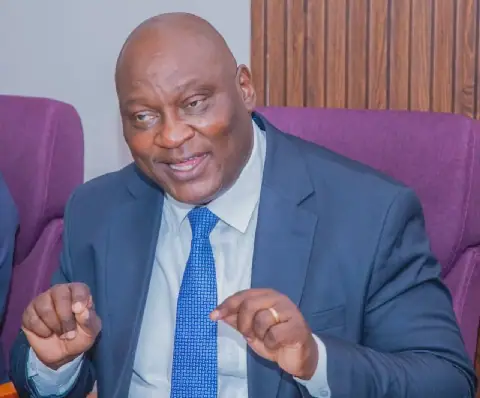
The Minister for Lands and Natural Resources, Emmanuel Armah-Kofi Buah, has disclosed that the Ghanaian government inherited a significant debt burden of approximately GH¢111 billion. This substantial obligation has put considerable pressure on the country's public finances. Despite this challenge, the government has continued to undertake major infrastructure projects nationwide, demonstrating its commitment to development.
According to Mr. Buah, the government has made significant debt payments, exceeding GH¢2 billion in 2025 and 2026. Furthermore, the country is expected to pay over GH¢10 billion next year, highlighting the substantial financial commitment required to service the debt. The Minister described these debt repayments as unavoidable obligations that must be met.
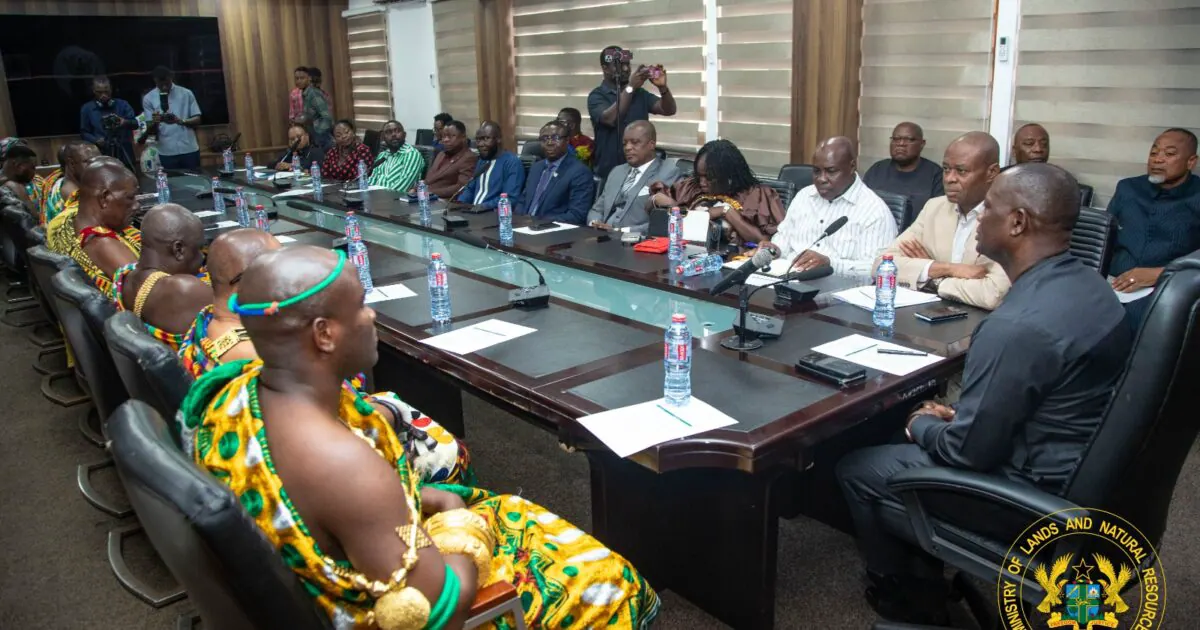
During an engagement with chiefs of the Eastern Nzema Traditional Area, Mr. Buah emphasized the government's dedication to addressing infrastructure deficits and improving living conditions. He noted that despite the financial constraints imposed by the debt burden, the administration has successfully delivered several infrastructural projects. This achievement underscores the government's resolve to balance debt servicing with development priorities.
The Lands Minister argued that the financial obligations have not hindered the government's ability to invest in infrastructure and other development projects. Instead, the administration has prioritized using available resources to drive growth and improve the quality of life for Ghanaians. This approach aims to ensure that the country's development needs are met while also meeting debt obligations.
Mr. Buah's comments come amid ongoing discussions on public debt management and the government's ability to balance debt servicing with development priorities. The Minister's assertion that the government remains committed to infrastructure development is seen as a positive step towards addressing the country's infrastructure gaps.
The government's infrastructure projects have been implemented across various sectors, including transportation, education, and healthcare. These initiatives aim to enhance the quality of life for Ghanaians and drive economic growth. The Lands Minister's engagement with traditional leaders and other stakeholders highlights the government's efforts to foster collaboration and ensure that development projects align with local needs.
As Ghana navigates its debt challenges, the government's commitment to infrastructure development is expected to have a positive impact on the economy. The administration's efforts to balance debt servicing with development priorities will be closely monitored by stakeholders, including citizens, investors, and international organizations. Key initiatives, such as the Appiatse Redevelopment Project, demonstrate the government's dedication to driving growth and improving living conditions.
Key points
- The Ghanaian government inherited a GH¢111 billion debt burden but remains committed to infrastructure development.
- The government has paid over GH¢2 billion in debt obligations in 2025 and 2026.
- The country is expected to pay over GH¢10 billion in debt obligations next year.