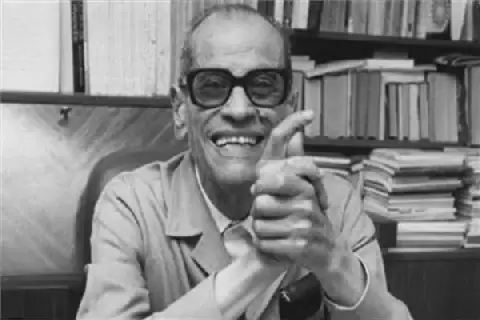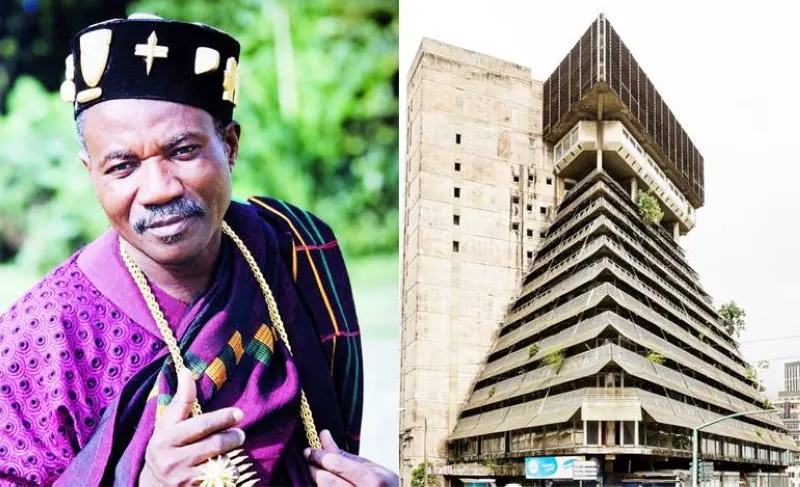
The Museum of Modern Art (MoMA) in New York has launched an exhibition titled "Architects of Liberation: Modernism in Western Africa," which highlights the contributions of Raymond Aka-Adjo, a pioneer of modern Ivorian architecture. The exhibit, which runs until January 2, 2027, features nearly 450 works, including drawings, models, photographs, films, and archival documents. It explores the history of modernist architecture in West Africa from the late 1950s to the early 1980s.
Raymond Aka-Adjo was born in the 1930s in Adjamé, a suburb of Abidjan, and hails from the village of Anono. He is part of a generation of Ivorian professionals who took on roles previously dominated by European expatriates. Aka-Adjo received his architectural training in France, becoming one of the first Ivorian nationals to earn a higher education in architecture from the École spéciale d'architecture de Paris (Esap).
Upon his return to Côte d'Ivoire in 1960, the country was on the cusp of transformation. As the nation gained independence, Abidjan underwent rapid development, driven by economic ambitions and a desire to project a modern image. Aka-Adjo played a pivotal role in this urban makeover, designing various iconic buildings, including offices, hotels, institutions, and public infrastructure. His work helped shape the city's landscape and define its modern identity.
Aka-Adjo's contributions extend beyond individual buildings to urban planning. He served as the national director of housing and urban planning in the 1960s, participating in the development of master plans for several Ivorian cities, including Abidjan, Abengourou, Gagnoa, Daloa, Man, San Pedro, and Korhogo. His approach to urban design emphasized functionality, sustainability, and responsiveness to local contexts.
One of Aka-Adjo's most notable projects is the Pyramid building in Abidjan's Plateau district, designed in collaboration with Italian architect Rinaldo Olivieri between 1968 and 1973. The building's distinctive pyramidal shape has become a landmark in the city's skyline, symbolizing Côte d'Ivoire's aspirations for modernity and international engagement.
In addition to his architectural practice, Aka-Adjo played a key role in establishing the Ivorian architectural profession. In 1970, he founded and became the first president of the Ordre des architectes de Côte d'Ivoire, a position he held until 1976. He advocated for an architecture that engaged with African realities, incorporating local materials, climate, and social contexts.
Aka-Adjo's legacy is reflected in numerous iconic buildings and public spaces across Abidjan, including the former CCI building, now the African Development Bank headquarters, the EECI tower, the former Sébroko hotel, and the Place de la République. His work continues to influence the urban landscape of Côte d'Ivoire's economic capital.
Key points
- The Museum of Modern Art exhibition highlights Aka-Adjo's contributions to modernist architecture in West Africa.
- Aka-Adjo played a significant role in shaping Abidjan's urban landscape and promoting a distinctly African architectural style.
- His work continues to inspire new generations of architects and urban planners in Côte d'Ivoire and beyond.