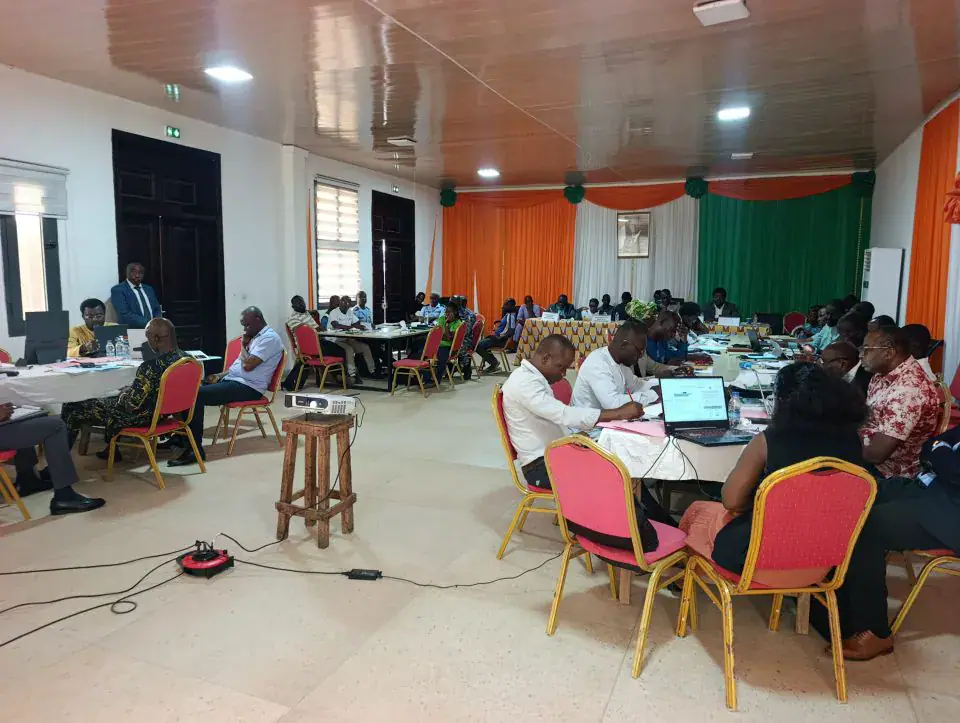
The Ivoirian government, in collaboration with the World Bank, has launched a project to develop sustainable and inclusive urban planning tools for secondary cities. As part of this initiative, three key planning instruments were presented to local stakeholders in Odienné on October 30, 2026. These tools aim to guide the city's development, addressing the needs of its population and promoting a harmonious and sustainable urban environment. The project, known as the Projet de développement durable et inclusif des villes secondaires (PDDIVS), seeks to improve the quality of life for residents in targeted cities.
The presented plans include the Plan stratégique de développement économique local (PSDEL), the updated Plan d'urbanisme directeur (PUD), and the elaboration of detailed urban planning plans for Odienné. These documents were developed to provide a comprehensive framework for the city's growth, taking into account its specific realities and challenges. According to Jean-Marie Loua, a specialist in urban development with PDDIVS, these tools will enable better coordination of development actions, based on a thorough understanding of the city's needs and constraints.
The development of these plans involved extensive consultation with local stakeholders, including administrative authorities, territorial collectives, technical services, and community representatives. Urban planning expert Roger N'Guessan, who led the elaboration of the PSDEL, noted that the process allowed for the collection of valuable insights into the city's development needs and population expectations. This participatory approach aims to ensure that the proposed orientations are relevant and effective in addressing the city's challenges.
The consultation process is designed to encourage participants to provide feedback and recommendations, fostering their ownership and commitment to the proposed plans. Stanislas Tchimondan, Secretary General of the Odienné prefecture, presided over the meeting and emphasized the importance of active engagement from all stakeholders. He assured that the state would play a supportive and arbitrating role in ensuring the plans' applicability and legitimacy.
The three planning instruments are expected to provide Odienné with a comprehensive framework for guiding its economic development, managing urban expansion, and improving living conditions for its residents. By leveraging these tools, the city aims to achieve sustainable and inclusive growth, aligning with the objectives of the PDDIVS project. The plans are also expected to enhance the city's attractiveness and competitiveness, while addressing the specific needs and challenges of its population.
The PDDIVS project, funded by the Ivoirian government and the World Bank, reflects a broader effort to promote sustainable urban development in Côte d'Ivoire's secondary cities. By supporting the development of strategic planning tools, the project aims to improve the quality of life for residents, enhance local economic growth, and foster more effective urban management. The experience gained in Odienné can serve as a model for other cities in the country.
The next steps involve the implementation of the proposed plans, which will require continued collaboration and commitment from local stakeholders. The success of these initiatives will depend on effective coordination and communication among all parties involved, as well as the state's ongoing support and guidance. By working together, the stakeholders aim to create a more sustainable, equitable, and prosperous future for Odienné.
Key points
- The Ivoirian government and the World Bank have launched a project to develop sustainable and inclusive urban planning tools for secondary cities, starting with Odienné.
- Three key planning instruments have been presented to local stakeholders in Odienné to guide the city's development and promote sustainable growth.
- The plans aim to provide a comprehensive framework for Odienné's economic development, urban growth, and improved living conditions for its residents.