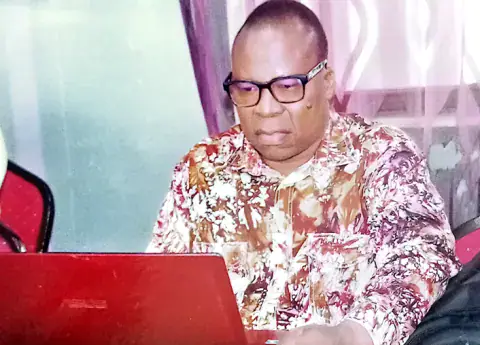
Dr. Guilga François de Paule Yambressinga, a specialist in territorial governance, management of enterprises, and organizations, has called for a reform in local governance in Burkina Faso. He suggests replacing special delegations with Revolutionary Municipal Councils. According to him, special delegations, which have been in place since 2022, have shown limitations, prioritizing the management of current affairs over structural investments and local development initiatives.
The current special delegations were established in 2022 as a temporary measure to manage communes and regions during the political transition. However, they have become permanent, leading to immobilism and a focus on maintaining the status quo. Dr. Yambressinga argues that this approach hinders the implementation of structural investments and local development initiatives. He cites the example of land development projects, such as allotments and restructurings, which are often put on hold due to the need for significant financial resources and the potential for social unrest.
Dr. Yambressinga also highlights the discrepancy between the current functioning of special delegations and the new regulatory provisions introduced by the decree of March 16, 2026. This decree transformed administrative commissions into more inclusive local assemblies, taking into account people with disabilities and the active forces of the community. However, the current composition and functioning of special delegations remain based on the decree of May 3, 2022, which has been officially repealed.
The specialist argues that the dynamic of the Popular Progressive Revolution must be reflected in the governance of territorial collectivities. He believes that communes should adopt revolutionary governance bodies, replacing special delegations, to align with the dynamic initiated at the state level. Dr. Yambressinga emphasizes that the change in the country's governance with the advent of the Popular Progressive Revolution should not be limited to the central state but should also involve communes.
According to Dr. Yambressinga, the current special delegations are not in line with the new regulatory framework and the revolutionary dynamic in which the country is engaged. He advocates for the establishment of Revolutionary Municipal Councils, which would be more inclusive and responsive to the needs of local communities. This approach would allow for more effective governance and the implementation of structural investments and local development initiatives.
The use of special delegations as a governance body is not new in Burkina Faso. The first special delegation was established in 1959, before the country's independence. Since then, the nature, composition, and functioning of special delegations have varied depending on the political regime and the context of the time. Dr. Yambressinga's proposal aims to address the limitations of the current system and to promote more effective and inclusive governance at the local level.
Dr. Yambressinga's call for reform is part of a broader effort to promote good governance and decentralization in Burkina Faso. His proposal for Revolutionary Municipal Councils is an attempt to address the challenges facing the country's local governance and to promote more effective and responsive governance bodies. The implementation of this proposal will depend on the government's willingness to reform the current system and to adopt a more inclusive and participatory approach to governance.
Key points
- Dr. Guilga François de Paule Yambressinga advocates for replacing special delegations with Revolutionary Municipal Councils to promote more effective and inclusive governance in Burkina Faso.