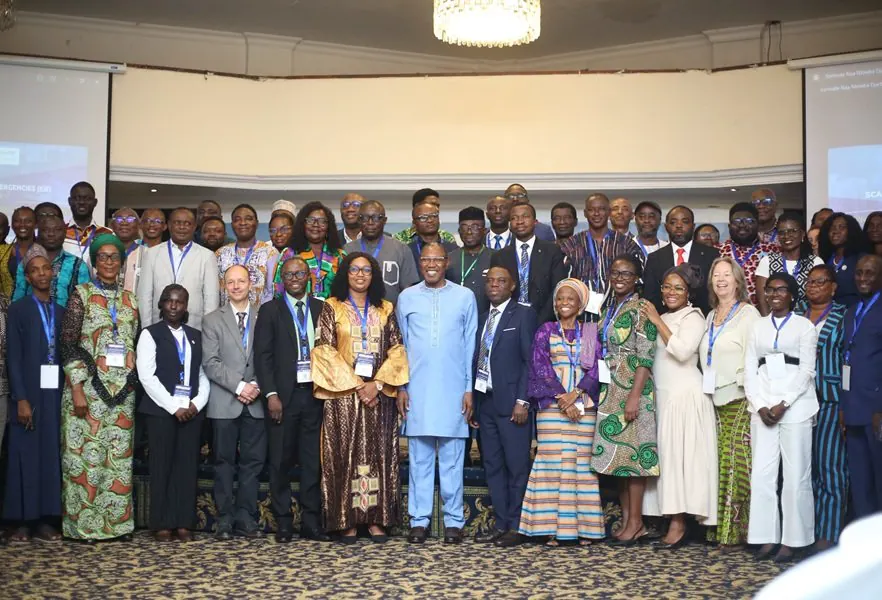
The Second High-Level Conference on Scaling Education Initiatives in Emergencies in West Africa has opened in Accra, Ghana. The conference aims to examine evidence on interventions to improve access, learning, safety, and psychosocial well-being for children affected by fragility, conflict, and violence. Organized by Associates for Change in collaboration with education stakeholders from Ghana, Burkina Faso, and Nigeria, the event brings together policymakers, researchers, and development partners.
Deputy Minister of Education, Dr. Clement Abas Apaak, addressed the conference, emphasizing the need for West African countries to build resilience into their education systems. This would enable children to continue learning during emergencies such as conflicts, displacement, floods, droughts, and health crises. Dr. Apaak noted that these crises disproportionately affect girls, children with disabilities, and those in rural and deprived communities.
The conference features about 150 participants, including policymakers, researchers, education practitioners, and development partners. They will share evidence, assess effective education interventions during emergencies, and identify scalable solutions for the sub-region. The two-day event focuses on improving education outcomes for children affected by crises.
Dr. Apaak highlighted Ghana's experience during the COVID-19 pandemic, which exposed gaps in access to remote learning. Children without devices, electricity, internet connectivity, or adult support were left behind. He stressed the importance of addressing these gaps to ensure equitable access to education during emergencies.
The Deputy Minister emphasized that building resilient education systems requires a multifaceted approach. This includes developing flexible education policies, investing in digital infrastructure, and promoting community engagement. By doing so, West African countries can minimize the impact of crises on education and ensure continuous learning.
The conference provides a platform for stakeholders to share best practices and lessons learned from education initiatives in emergencies. Participants will explore strategies for scaling up effective interventions and addressing the unique needs of vulnerable groups. The event aims to inform policy decisions and improve education outcomes in crisis-affected areas.
The outcome of the conference is expected to contribute to the development of more effective education policies and programs in West Africa. By prioritizing education in emergencies, countries can mitigate the long-term effects of crises on children's education and well-being. The Deputy Minister's call to action underscores the importance of building resilient education systems to protect learning outcomes.
Key points
- West African countries must strengthen education systems to withstand crises and protect learning outcomes.
- The COVID-19 pandemic exposed gaps in access to remote learning in Ghana, affecting disadvantaged children.
- The conference aims to inform policy decisions and improve education outcomes in crisis-affected areas.