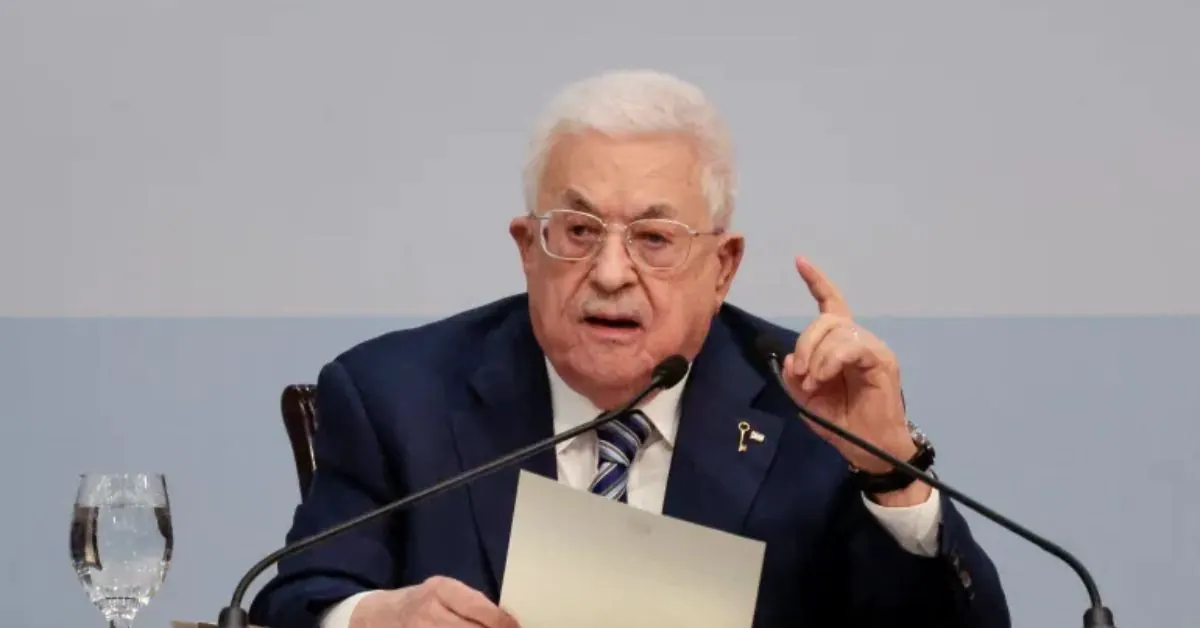
The European Union has expressed disappointment over the US decision to deny entry visas to Palestinian officials for the second consecutive year, preventing them from attending the UN General Assembly in New York. EU spokesperson Anwar El Anouni stated that the bloc is urging the US to reconsider its decision, citing agreements with the UN and its commitments as a host country. The EU's call comes amid concerns that the US decision may undermine the functioning of the UN.
UN Secretary-General António Guterres has also weighed in on the issue, appealing to the US to reverse its decision to deny a visa to Palestinian President Mahmoud Abbas. Guterres' spokesperson, Stéphane Dujarric, expressed regret over the US decision and voiced concerns about its potential implications. Dujarric emphasized that the Secretary-General is urging the host country to ensure that entry visas are issued to all delegations, as per its obligations under the Host Agreement.
The US decision to deny visas to Palestinian officials has been linked to the extension of sanctions that prevent the granting of entry visas to representatives of the Palestinian Authority and members of the Palestine Liberation Organization. The US State Department cited a lack of reforms and non-compliance with US commitments as reasons for the extension of these sanctions. This move has sparked concerns about the potential impact on Palestinian participation in international forums.
The Palestinian delegation's inability to attend the UN General Assembly has raised concerns about the potential consequences for the organization's work. The UN's ability to function effectively relies on the participation of all member states, and the absence of Palestinian officials may hinder discussions on key issues. The EU and the UN Secretary-General have emphasized the importance of ensuring that all delegations can participate in the General Assembly.
The US decision to deny visas to Palestinian officials has been seen as a significant development in the context of the Israeli-Palestinian conflict. The move has been criticized by many as an attempt to limit Palestinian participation in international forums and undermine their diplomatic efforts. The EU and the UN have urged the US to reconsider its decision, citing the importance of Palestinian participation in the UN.
The issue has also highlighted the complex dynamics at play in the Israeli-Palestinian conflict, with the US, EU, and UN all playing important roles. The US has historically been a key player in the conflict, providing significant financial and diplomatic support to Israel. However, the EU has taken a more nuanced approach, seeking to balance its relations with both Israel and the Palestinian Authority.
The controversy surrounding the US decision to deny visas to Palestinian officials is likely to continue, with many questioning the implications for the UN and the Israeli-Palestinian conflict. As the international community continues to grapple with the complexities of the conflict, the issue of Palestinian participation in international forums is likely to remain a contentious issue.
Key points
- The EU has expressed regret over the US decision to deny entry visas to Palestinian officials for the UN General Assembly.
- UN Secretary-General António Guterres has urged the US to reverse its decision to deny a visa to Palestinian President Mahmoud Abbas.
- The US decision has been linked to the extension of sanctions that prevent the granting of entry visas to representatives of the Palestinian Authority and members of the Palestine Liberation Organization.