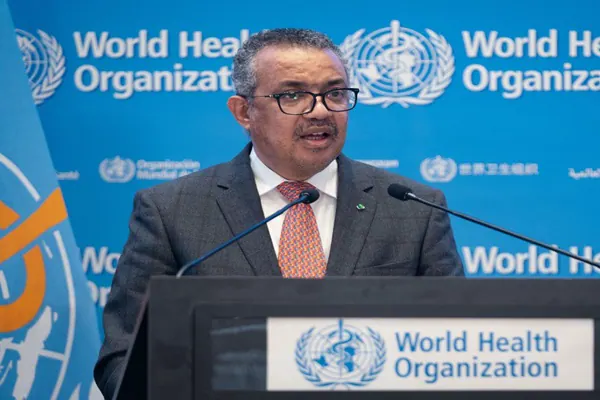
The World Health Organisation (WHO) has reported that breast cancer claimed the lives of approximately 694,000 women globally in 2024. This staggering number highlights the significant impact of the disease worldwide. According to the WHO, 2.4 million women were diagnosed with breast cancer in 2024, while 8.2 million were living with the disease at the end of the year. Breast cancer remains the most common cancer among women globally.
The WHO has emphasized that breast cancer survival rates vary greatly between low- and high-income countries. In low-income countries, only 41 per cent of women are expected to survive at least five years after a breast cancer diagnosis, compared with 87 per cent in high-income countries. This disparity is largely attributed to limited access to early detection, diagnosis, and comprehensive treatment in low- and middle-income countries.
The WHO has identified several factors associated with increased breast cancer risk, including increasing age, obesity, alcohol use, family history, previous radiation exposure, reproductive history, and tobacco use. However, the organisation stresses that most women diagnosed with breast cancer do not have a known family history of the disease. Breast cancer can occur in women of any age after puberty, with the incidence increasing later in life.
To combat breast cancer, the WHO is promoting earlier detection, timely diagnosis, and access to quality treatment. The organisation urges women to seek medical attention when they notice unusual breast changes, such as a lump or thickening, changes in the size or shape of the breast, skin or nipple changes, or abnormal or bloody nipple discharge. Early detection and prompt access to diagnosis and treatment are critical to improving survival rates.
The WHO has set a goal to reduce breast cancer mortality by 2.5 per cent annually, which could avert 2.5 million breast cancer deaths by 2040. To achieve this, the organisation recommends that breast cancer services be included in essential health benefit packages under universal health coverage and made available through public health facilities.
The WHO Global Breast Cancer Initiative (GBCI) has established three targets aimed at closing gaps in breast cancer care. These targets include ensuring that 60 per cent of invasive breast cancers are diagnosed at Stage I or II, reducing the period from first detection or presentation of symptoms to diagnosis to 60 days, and ensuring that 80 per cent of people diagnosed with breast cancer receive recommended complete treatment.
The WHO is calling on governments, health professionals, organisations, and communities to strengthen breast cancer services and remove barriers that prevent people from accessing timely and quality care. By working together, it is possible to improve breast cancer survival rates and reduce the global impact of the disease. The WHO's Breast Cancer Awareness Month campaign, themed "Every story is unique, every journey matters," aims to raise awareness and promote action against breast cancer.
Key points
- 694,000 women died of breast cancer globally in 2024.
- Low-income countries have significantly lower breast cancer survival rates compared to high-income countries.
- The WHO aims to reduce breast cancer mortality by 2.5 per cent annually to avert 2.5 million deaths by 2040.