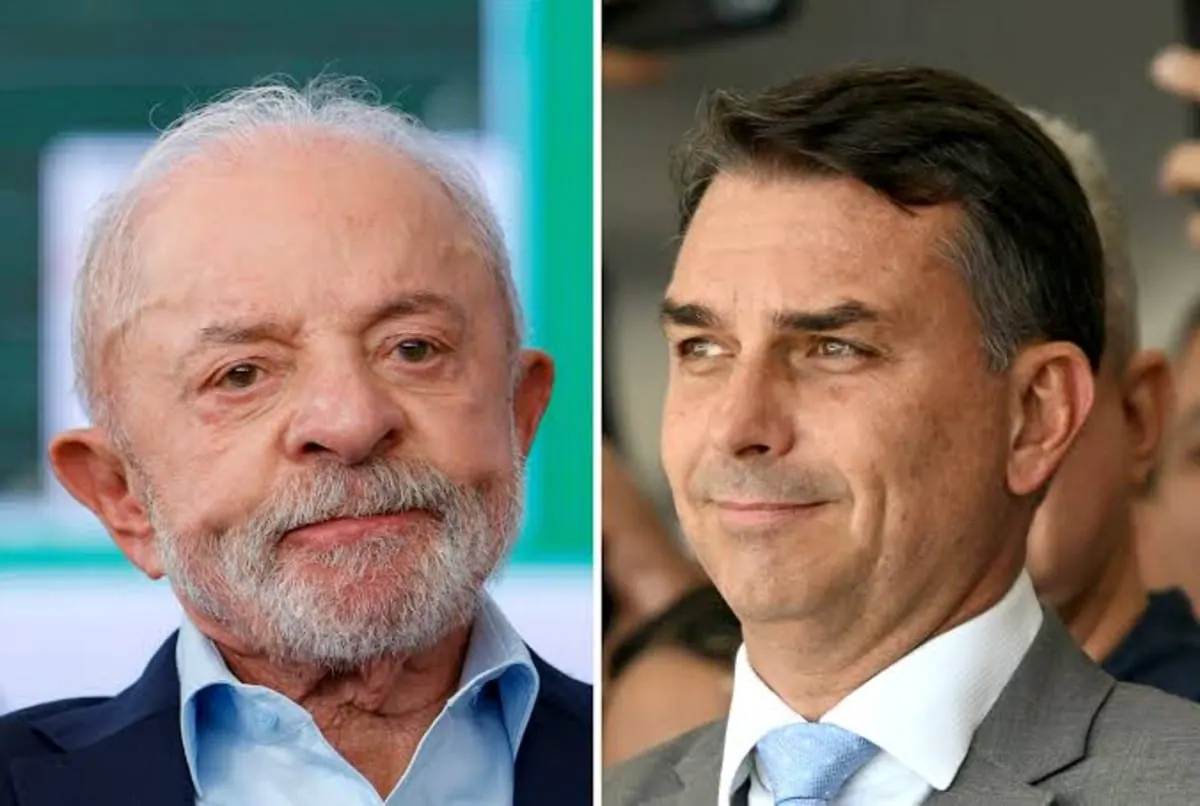
Brazil's presidential election is heading to a second round after Senator Flávio Bolsonaro finished ahead of incumbent President Luiz Inácio Lula da Silva in Sunday's first-round vote. With 99.99 per cent of the ballots counted, Flávio Bolsonaro of the Liberal Party (PL) secured 56.1 million votes, representing 47.03 per cent of valid votes. Lula of the Workers' Party (PT) polled 53.9 million votes, or 45.16 per cent. Neither candidate crossed the 50 per cent threshold required to win outright.
The result was a stronger-than-expected performance for Bolsonaro, the 45-year-old son of former President Jair Bolsonaro. This marked one of the closest first-round presidential contests in Brazil's recent history. Lula, 80, is seeking a fourth non-consecutive term in office after returning to the presidency in 2023. His campaign had been expected to perform well, but Bolsonaro's showing was not anticipated.
Speaking after the result, Lula acknowledged that his campaign had fallen short of its first-round objective. However, he noted that the runoff would provide an opportunity to present voters with a clearer choice between the two candidates. Lula's campaign will now focus on winning over supporters of the other candidates who failed to make the runoff.
Bolsonaro described the result as a sign of support for political change. He will now seek to consolidate backing from supporters of the other candidates who failed to make the runoff. About nine million votes were cast for other presidential candidates in the first round, making their supporters a significant constituency ahead of the October 25 contest.
The election has been closely watched because of the sharp political divide between Lula and the Bolsonaro movement. Economic concerns, the cost of living, public security, and corruption featured prominently during the campaign. These issues are likely to continue to be key themes in the runoff.
The runoff will determine whether Lula remains in office or Bolsonaro takes over the presidency. Lula's supporters have expressed concerns about the potential consequences of a Bolsonaro presidency. Meanwhile, Bolsonaro's supporters believe that he can bring about positive change in Brazil.
The runoff is set for October 25. Both candidates will now focus on winning over undecided voters and consolidating support from their respective bases. The outcome of the election will have significant implications for Brazil's future, and voters will be closely watching the campaigns in the coming weeks.
Key points
- The runoff will determine whether Lula remains in office or Bolsonaro takes over the presidency.
- Economic concerns, the cost of living, public security, and corruption featured prominently during the campaign.
- The election has been closely watched because of the sharp political divide between Lula and the Bolsonaro movement.