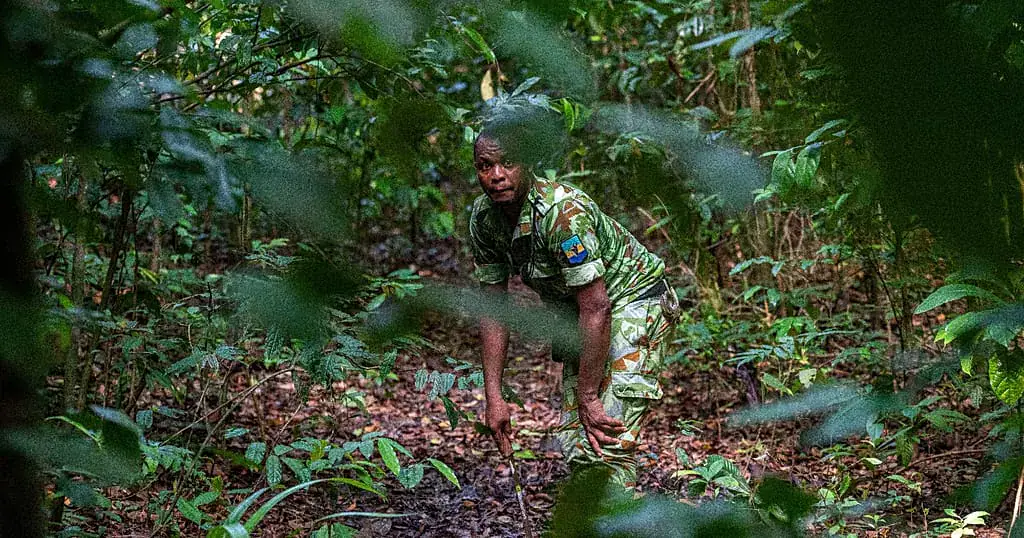
In the heart of Gabon's capital, Libreville, lies the Sibang botanical garden, a lush tropical forest brimming with orchids and other plant species. Director Archange Boupoya believes that understanding and preserving this natural wealth is crucial, stating that "we cannot preserve that which we do not understand." Boupoya and his team of botanists are working tirelessly to make Sibang a "museum of plants" for Gabon, a country with a largely mysterious natural wealth.
Gabon's rainforests are part of the Congo Basin, considered the Earth's second "green lung" after the Amazon rainforest. The country's forests play a vital role in absorbing planet-warming CO2, making the preservation of its biodiversity a pressing concern. With 88% of its land covered in jungle, Gabon is home to an estimated 7,000 to 10,000 known plant species, of which around one-tenth are under threat.
Boupoya and his team, in partnership with scientists from the Missouri Botanical Garden in the United States, conduct botanical surveys to discover and document new plant species. Each year, they discover an average of 10 new species, which are then meticulously documented and identified by international scientists. The team also stores over 100,000 plant samples in alphabetical order in metal cabinets at the headquarters of the national parks agency.
The botanical garden's collection, whose oldest sample dates back to 1880, is a precious archive of Gabon's flora. However, the collection has faced challenges, including a fire that ravaged its former site in 2016. The team is now working to preserve the plants and guarantee their survival, particularly those threatened by urbanization, industrialization, deforestation, mining, and the oil industry.
One family of aquatic plants, the Podostemaceae, which resemble mosses and grow near waterfalls, are among the species threatened. The construction of the Kinguele hydroelectric dam, around 100 kilometers from the capital, poses a significant threat to their habitat. Boupoya hopes that international donors can help relocate rare species endangered by major infrastructure projects like the dam.
The botanists face increasingly tough working conditions, including inadequate facilities for plant conservation, a lack of funding, and pressure from urban encroachment on the Sibang botanical garden. To help preserve Gabon's plant life, the botanists hope to benefit from private financing, such as biodiversity credits, and explore new areas of the country that remain undiscovered.
With much still to be done, Boupoya and his team continue their work to catalogue and preserve Gabon's rich biodiversity. The team's efforts are crucial in protecting the country's natural wealth and ensuring the survival of its plant species for future generations.
Key points
- Gabon's botanists discover an average of 10 new plant species each year.
- The country's forests play a vital role in absorbing planet-warming CO2.
- The botanists face challenges including inadequate facilities, lack of funding, and urban encroachment.