The African Development Bank (AfDB) has reported that Eswatini's government arrears have declined to E2.7 billion, representing 3.2 per cent of the country's gross domestic product (GDP) at the end of the 2025/26 financial year. This marks a significant reduction from 5.2 per cent of GDP at the end of the 2022/23 financial year. The decline is attributed to ongoing reconciliation and settlement efforts, as well as reforms aimed at strengthening fiscal discipline and improving public resource management.
The reduction in arrears is a key achievement under the Enhancing Economic Resilience and Competitiveness Programme (Phase I), which seeks to strengthen economic governance, public financial management, and private-sector competitiveness. The programme is supported by an AfDB loan of US$47.5 million, equivalent to approximately E750.8 million, approved on June 25, 2025. The loan has facilitated the implementation of various reforms, including the establishment of the Revenue Stabilisation Fund in 2023.
The Revenue Stabilisation Fund has helped the government manage fluctuations in Southern African Customs Union (SACU) revenue and support macroeconomic stability. According to the AfDB, the fund has cushioned the effects of the recent global energy crisis. Additionally, the government is implementing the Integrated Financial Management Information System (IFMIS), expected to improve public expenditure management and strengthen controls over financial commitments.
Implementation of IFMIS began in 2024 and is expected to continue until 2028. By May 2026, 12 of the system's 17 modules had been completed, with the planning and budgeting modules being among the first to become operational. The budget module was used in preparing the 2026/27 financial year budget. However, the AfDB cautions that the effectiveness of IFMIS is yet to be fully tested, as implementation remains at an early stage.
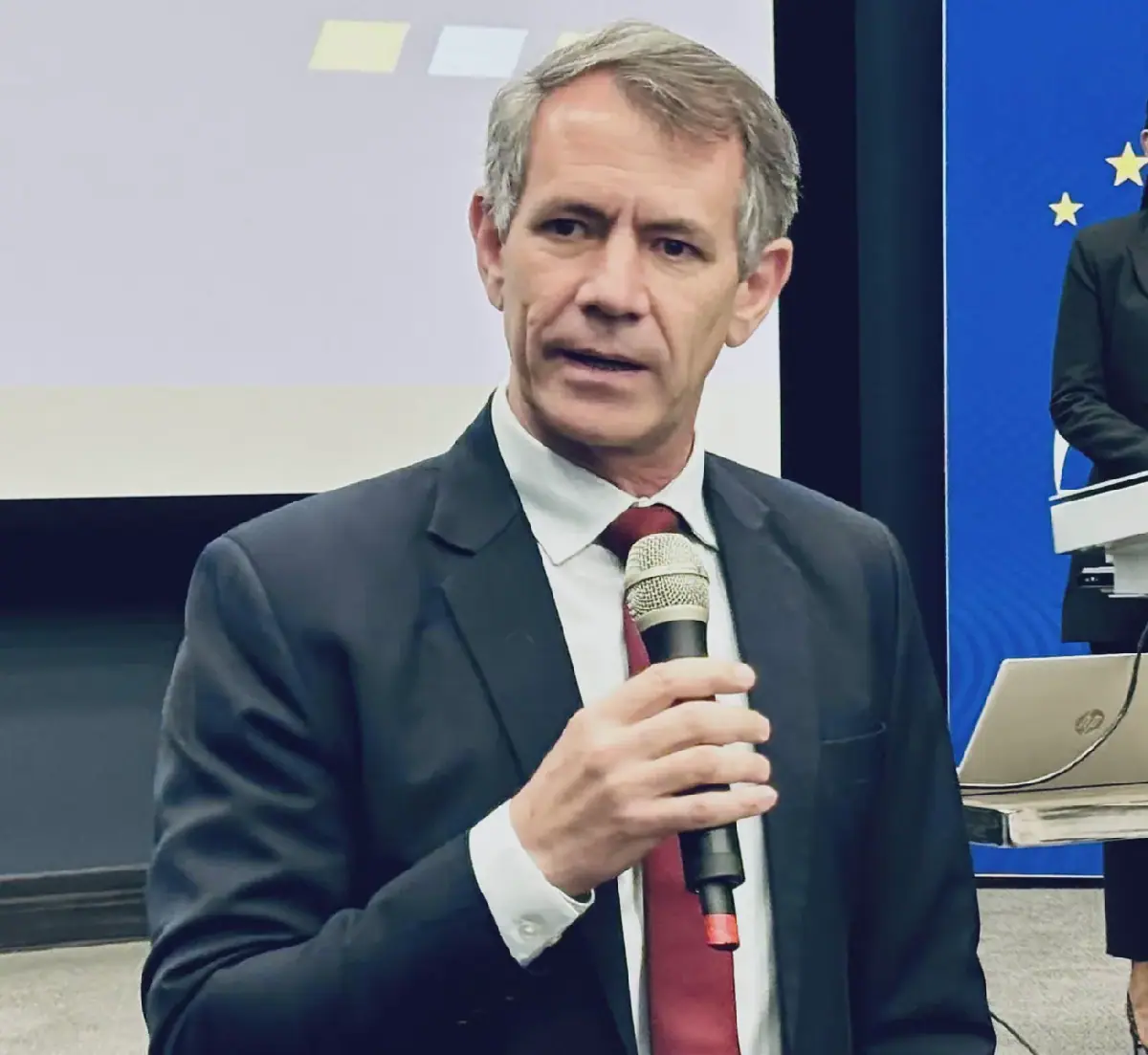
The government is also working towards adopting accrual accounting under the International Public Sector Accounting Standards, aiming to improve the recording and management of public assets, liabilities, and obligations. Minister for Finance Neal Rijkenberg has overseen the implementation of these reforms, which have contributed to the reduction in arrears. Despite this progress, the government still faces the challenge of reducing outstanding obligations further.
The AfDB has rated the implementation progress under the Enhancing Economic Resilience and Competitiveness Programme (Phase I) as highly satisfactory, while rating the programme's overall development objective as satisfactory. The programme's impact on Eswatini's economy will be closely monitored, as the government continues to address public finance challenges. The reduction in arrears represents progress in addressing a persistent public finance challenge.
To sustain the improvement, the government has been pursuing the verification of outstanding obligations relating to capital projects and line ministries, alongside reconciliation and settlement initiatives. Cabinet has approved the write-off of commitments that do not qualify as arrears. The government's efforts to strengthen fiscal discipline and improve public resource management are ongoing, with a focus on achieving a more desirable arrears-to-GDP ratio of zero.
Key points
- Eswatini's government arrears have decreased to E2.7 billion over three years.
- The reduction in arrears is attributed to public finance reforms supported by the African Development Bank.
- The government is implementing various reforms, including the Integrated Financial Management Information System (IFMIS) and accrual accounting under International Public Sector Accounting Standards.