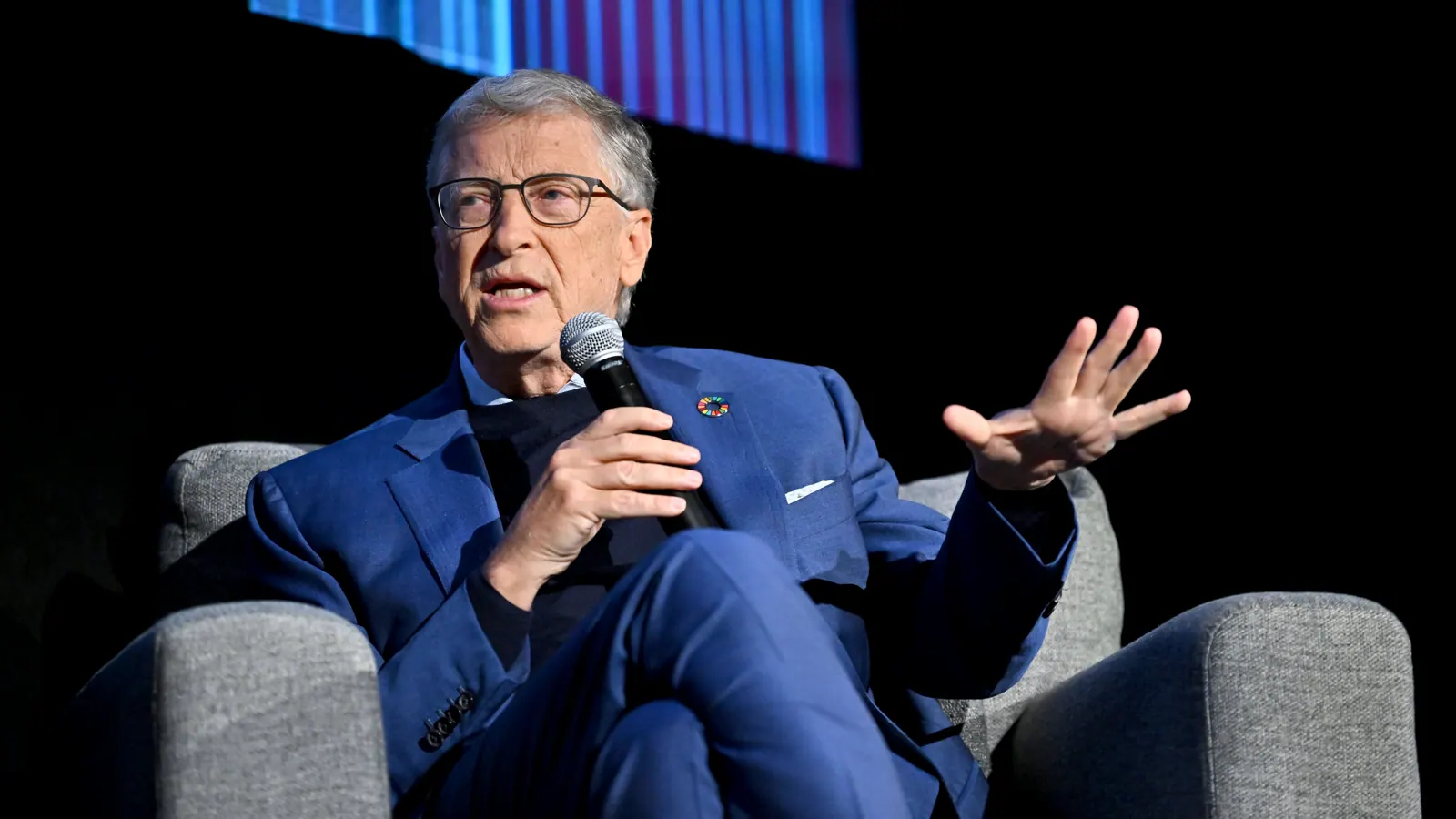
Bill Gates, co-founder of Microsoft, has expressed concerns that reaching a global agreement on artificial intelligence (AI) will be more challenging than the negotiations for nuclear disarmament during the Cold War. In a recent statement, Gates highlighted the complexities of regulating AI, a rapidly evolving field with significant implications for global politics, economies, and societies. The billionaire philanthropist's comments come as the international community grapples with the opportunities and risks presented by AI.
The development of AI has been a topic of increasing interest and debate among world leaders, policymakers, and experts. As AI technologies become more sophisticated and pervasive, there are growing concerns about their potential impact on employment, privacy, and security. The need for a global framework to govern the development and deployment of AI has become increasingly pressing. However, as Gates noted, achieving a consensus on such a framework will be difficult, given the diverse interests and priorities of countries around the world.
The comparison to nuclear disarmament is instructive, as the negotiations for the Nuclear Non-Proliferation Treaty (NPT) were a significant achievement of the Cold War era. The NPT, which came into force in 1970, aimed to prevent the spread of nuclear weapons and promote disarmament. While the challenges of regulating AI are different from those of nuclear non-proliferation, the need for international cooperation and agreement is similarly pressing. Gates' comments highlight the complexity of this task and the need for sustained dialogue and collaboration among countries.
The United States, China, and other major powers have been actively exploring ways to govern the development and deployment of AI. However, their approaches have varied, reflecting different national priorities and interests. The US has emphasized the need for a light-touch regulatory approach, while China has taken a more interventionist stance. The European Union has also been developing its own AI strategy, with a focus on promoting transparency, accountability, and human-centered AI.
Morocco, like many other countries, is also grappling with the implications of AI for its economy and society. As the country seeks to develop its own AI capabilities, it must also navigate the complexities of regulating this rapidly evolving field. The Moroccan government has been engaging with international partners and experts to explore ways to promote the responsible development and deployment of AI.
The challenges of regulating AI are compounded by the rapid pace of technological change in the field. New AI applications and capabilities are emerging constantly, making it difficult for policymakers to keep pace. Furthermore, the global nature of AI development and deployment means that no single country or organization can regulate AI alone. International cooperation and agreement will be essential to address the risks and opportunities presented by AI.
As the international community continues to grapple with the challenges of regulating AI, Gates' comments serve as a reminder of the need for sustained dialogue and collaboration. The development of a global AI accord will require a concerted effort from countries, international organizations, and civil society. While the challenges are significant, the potential benefits of a global AI accord – including promoting human-centered AI, preventing AI-related risks, and fostering international cooperation – make this effort essential.
Key points
- Bill Gates says global AI accord more difficult than nuclear deal
- International community grapples with regulating AI
- Morocco navigates AI regulation complexities