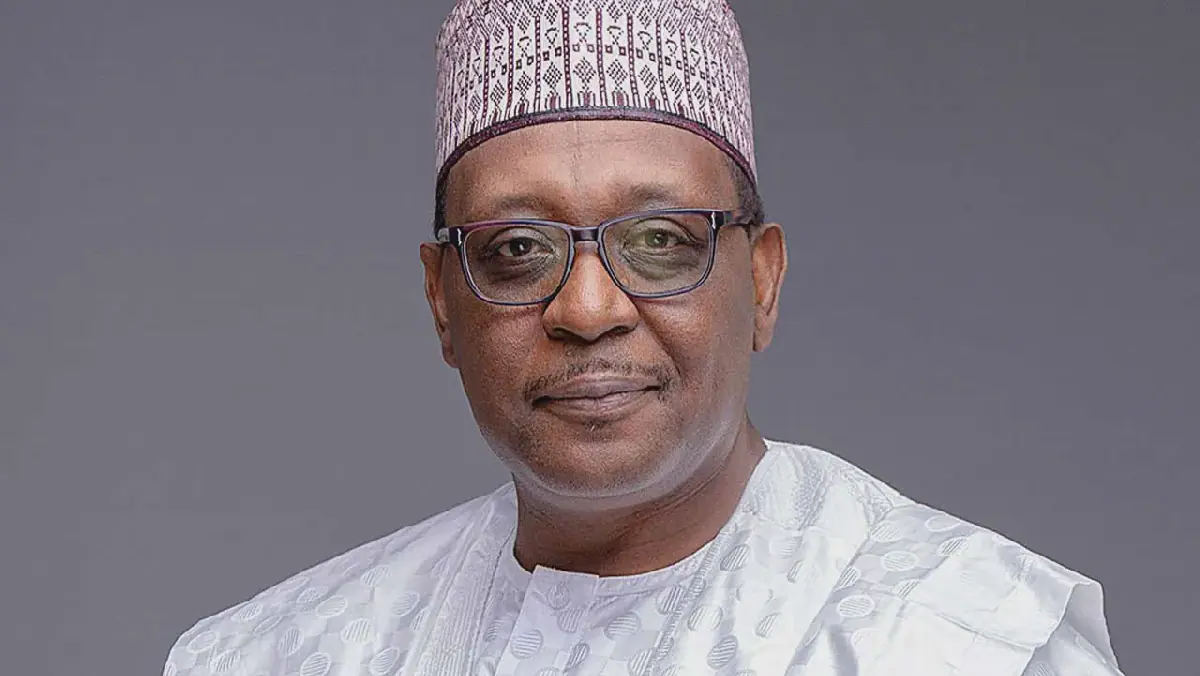
Nigerians have breathed a sigh of relief following the medical evacuation of the index Ebola patient to Switzerland for further treatment. The Coordinating Minister of Health and Social Welfare, Professor Muhammad Ali Pate, announced that the recent Ebola scare had eased. On October 20, 2026, the government confirmed that a woman who had arrived from Uganda had been diagnosed with Ebola Bundibugyo virus disease in Abuja.
The World Health Organisation (WHO) has stated that Nigeria has no active Ebola case within its borders but cautioned that the country cannot yet be officially declared Ebola-free. According to WHO protocols, Nigeria must successfully complete a 42-day monitoring period without recording any new confirmed or probable case before it can attain Ebola-free status. This cautious approach is necessary given the highly infectious and deadly nature of the Ebola virus.
Before the discovery of the recent index case in Abuja, concerns had been raised about Nigeria's preparedness to prevent, detect, and contain an Ebola outbreak. An investigation by Daily Trust found that preventive measures at Nigeria's points of entry appeared weak and poorly enforced. Travellers arriving at major airports were required to complete health declaration forms, but the documents were often not properly scrutinised by officials.
The investigation also revealed that passengers reported that their QR codes were not scanned, their temperatures were not checked, and no meaningful health screening was conducted to identify Ebola symptoms or other signs of infectious diseases. In some cases, travellers said there were no visible health officials actively monitoring arrivals, raising questions about the effectiveness of the surveillance process.
The situation was compounded by concerns about porous land borders, where monitoring was believed to be even less effective. These lapses fuelled public scepticism about Nigeria's readiness to respond effectively if the virus gained a foothold within its borders. The devastating consequences of uncontrolled transmission were highlighted by the situation in the Democratic Republic of the Congo (DRC), which had recorded more than 10,000 confirmed cases and nearly 4,900 deaths as of late October 2026.
The Federal Government had set aside N10 billion for Ebola preparedness and emergency response, but concerns persisted about the country's readiness. The fight against Ebola is not won through budgetary allocations on paper but through the effective and transparent deployment of resources to strengthen border screening, equip isolation facilities, train health personnel, provide protective equipment, and sustain public awareness campaigns.
The successful containment of the imported case should not obscure the need for accountability. Nigerians deserve a full explanation of how the N10 billion allocated for Ebola preparedness was utilised. Nigeria must invest heavily in prevention, scientific innovation, and medical research to develop improved treatments, vaccines, and other solutions against Ebola and related viral diseases. The government must adequately fund the nation's research institutes, universities, and public health agencies to accelerate efforts to find lasting solutions to the Ebola threat.
Key points
- Nigeria must complete a 42-day monitoring period without recording any new confirmed or probable Ebola case to attain Ebola-free status.
- The country needs to invest in prevention, scientific innovation, and medical research to develop solutions against Ebola.
- There is a need for accountability in the utilisation of the N10 billion allocated for Ebola preparedness.