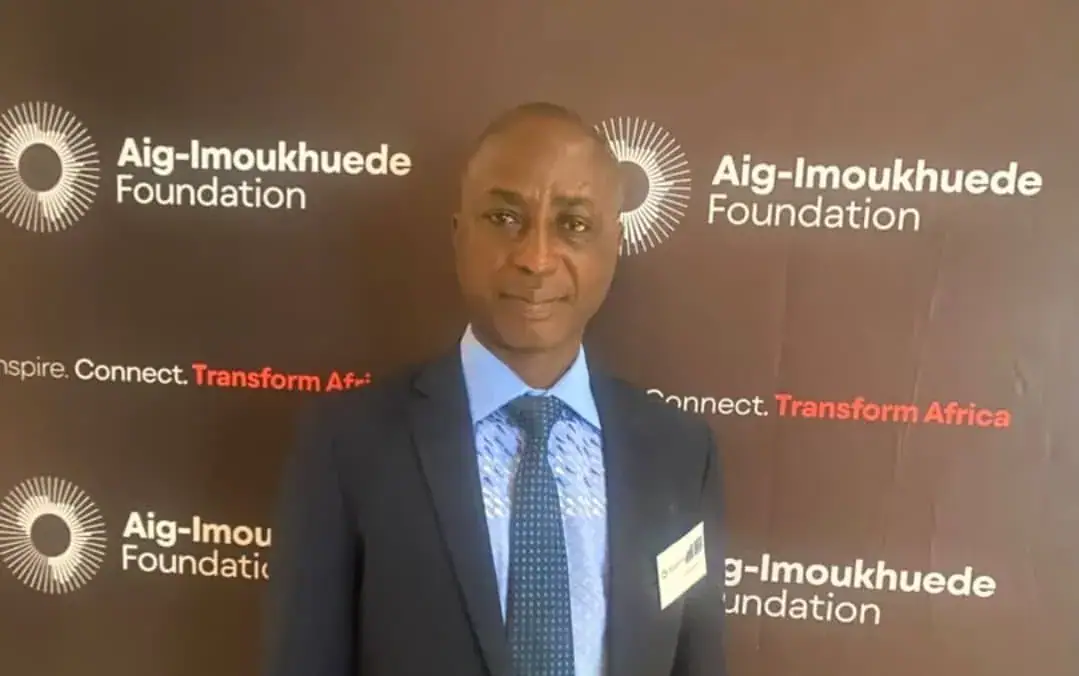
A former Benue State Commissioner for Finance, Prof. Omadachi Oklobia, has emphasized the need for structured entry-level training for public servants in Nigeria. He warned that neglecting this foundation could have far-reaching consequences for the country's civil service. As a Resident Faculty member of the African University of Science and Technology, Oklobia drew on his experience to make this call. His proposal aims to equip young officers with the necessary skills for effective governance.
Oklobia cited the Aig-Imoukhuede Public Leaders Programme as an example of how values-driven recruitment and intensive training can produce public leaders with a different approach to governance. He also mentioned existing working models of structured training in Nigeria, such as the Mandatory Training Programme for newly appointed chief executives and the Structured Mandatory Assessment-Based Training Programme. These initiatives, introduced by the Office of the Head of the Civil Service of the Federation, have demonstrated the potential for structured training to improve performance in the public service.
Despite the success of these programmes, Oklobia noted that they primarily focus on senior and middle-level officers, leaving a gap at the entry level where the future of the civil service is being shaped. He stressed that the first year of a public servant's career is critical for professional development and should not be neglected. Oklobia urged the Federal Government to adapt existing training models to newly recruited public servants, emphasizing that this would not require significant reforms or new legislation.
Oklobia identified key requirements for implementing his proposal, including a directive from the Head of Service, a curriculum developed in collaboration with universities, institutional partnerships, and dedicated funding. He emphasized that these measures could be implemented without a constitutional amendment or the creation of another government agency. By scaling existing training models to the entry level, Nigeria can ensure that its public servants are better equipped to serve the nation.
The former commissioner described the public service as a critical national asset that successive administrations must deliberately develop and preserve. He argued that the public service is a capital asset that every government inherits and passes on, much like a dam or other infrastructure. Oklobia stressed that it is essential to invest in the development of public servants to ensure that they can effectively serve the nation.
Oklobia also called for a shift in the perception of public service from ordinary employment to a profession requiring selective recruitment, structured training, and a clear understanding of its importance. He emphasized that this change in perception is crucial for attracting and retaining top talent in the public service. By doing so, Nigeria can build a more effective and efficient civil service that serves the nation's needs.
The proposal by Oklobia has significant implications for the development of Nigeria's civil service. If implemented, it could lead to a more skilled and effective public service, better equipped to drive national development. The success of existing training programmes provides a foundation for Oklobia's proposal, and his emphasis on adapting these models to the entry level could help address a critical gap in the current training framework.
Key points
- Former Benue State Commissioner for Finance, Prof. Omadachi Oklobia, calls for structured entry-level training for public servants.
- Oklobia cites existing working models of structured training in Nigeria, such as the Mandatory Training Programme for newly appointed chief executives.
- Implementing Oklobia's proposal would not require a constitutional amendment or the creation of another government agency.