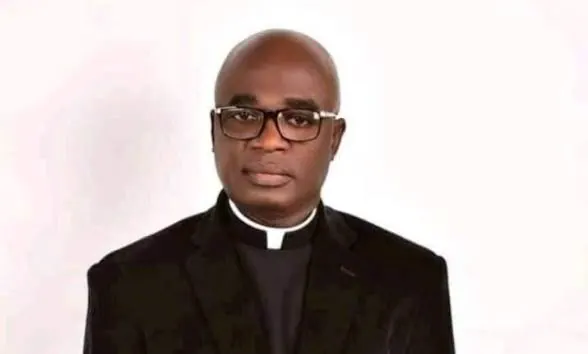
The political landscape in Benue State is shifting ahead of the 2027 elections, with Governor Rev. Fr. Hyacinth Iormem Alia facing opposition from some political elites who previously supported him. Alia, a priest-turned-politician, was initially seen as a breath of fresh air by many in the state, who believed he could lead Benue out of years of stagnation and into a new era of development and opportunity. His supporters argue that his reputation as a Catholic priest and his widely known healing ministry had already introduced him to people across the state.
Alia's supporters draw parallels between his emergence and biblical accounts, citing the example of David in 2 Samuel 5:6, who was recognised by his people despite not following a conventional route to leadership. They argue that Alia's years of service in the church prepared him for the political assignment that eventually came his way. His supporters also point to his record as a governor, highlighting his administration's efforts to pay salaries, settle outstanding obligations, and invest in infrastructure.
Despite his achievements, some political elites who initially supported Alia now appear opposed to him. Questions have been raised about the state's financial capacity, with Benue not being an oil-producing state and having to finance salaries, gratuities, infrastructure, and other obligations from limited resources. The administration has highlighted efforts to revive the economy through industries, agriculture, roads, and other areas of economic development, including projects involving fruit juice production, bread bakeries, and Taraku Mills.
Supporters of Governor Alia argue that his administration should be judged within the realities of the state's finances and competing demands on government resources. They point to the regular payment of salaries, settlement of outstanding obligations, and investments in infrastructure as evidence that the administration has prioritised issues directly affecting ordinary citizens. They also contend that the political environment surrounding the governor should be viewed within the broader national political landscape.
As the 2027 elections approach, Alia's supporters argue that political alliances and negotiations among elites cannot ultimately replace the power of voters at the polling units. They claim that the administration has ushered in a "New Renaissance" in Benue, with one area frequently mentioned being youth participation in government. Young people have gained greater opportunities to participate in public discourse and express concerns about issues affecting their future.
Alia's supporters insist that his request for a second term is no different from the appeals that will be made by other politicians, including President Bola Ahmed Tinubu, who will also seek another mandate. They argue that voters retain the final authority at the ballot box and that the people of Benue should be allowed to determine Alia's political future. They have also rejected suggestions that Alia should be restricted to one term.
Ultimately, Alia's supporters believe that his record will speak for him, pointing to salary payments, infrastructure projects, and other government programmes as reasons they believe the electorate will reward the administration at the polls. They maintain that an alliance of political forces against one individual does not determine the outcome of elections.
Key points
- The fate of Benue State Governor Rev. Fr. Hyacinth Iormem Alia in the 2027 elections will be decided by the masses, not political elites.
- Alia's supporters argue that his administration has prioritised issues directly affecting ordinary citizens, including the regular payment of salaries and investments in infrastructure.
- The 2027 elections will be a test of Alia's popularity, with his supporters confident that his record will speak for him at the polls.