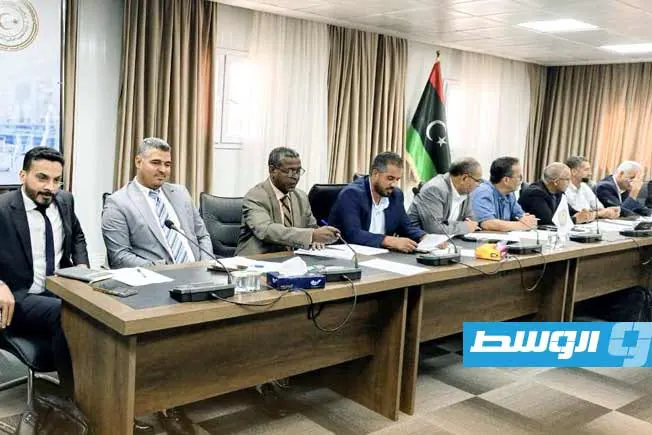
Libya's Ministry of Higher Education and Scientific Research, part of the temporary unity government, convened a meeting on October 5, 2026, with administrators of university staff departments. Representatives from 21 Libyan universities attended the session. The ministry stated that discussions focused on several key issues affecting university staff members, including their workload, promotion procedures, and the situation of staff members living abroad.
The meeting addressed pending matters such as staff workload, scientific promotion procedures, and the status of expatriate staff members. Other topics included appointment and settlement files, with efforts to resolve challenges related to these issues according to relevant regulations and laws. The ministry emphasized its commitment to addressing these concerns.
According to the ministry, the meeting also explored coordination mechanisms between the University Affairs Department and university staff departments. The goal is to unify procedures and monitor related files. This move aims to improve the overall management of university staff affairs.
In a related development, Libya has made progress in international university rankings. In 2025, 16 Libyan universities were included in the Arab ranking, and five universities featured in the Times Higher Education Impact Rankings. These rankings reflect the quality and impact of Libyan higher education institutions.
The Higher Education Ministry's efforts to address university staff concerns and improve the education sector align with broader initiatives to enhance Libya's academic standing. By engaging with university administrators and staff, the ministry aims to create a more supportive environment for education professionals.
The meeting's outcomes are expected to contribute to the development of Libya's higher education system. By addressing staff concerns and streamlining procedures, the ministry hopes to boost the quality of education and research in Libyan universities.
The Libyan government's focus on education reflects its commitment to rebuilding and developing the country's institutions. The Higher Education Ministry's initiatives are crucial in shaping the future of Libya's academic landscape and ensuring that its universities provide high-quality education.
Key points
- The Libyan Ministry of Higher Education and Scientific Research held a meeting with university staff administrators to discuss key issues affecting staff members.
- The meeting addressed concerns related to staff workload, promotion procedures, and the status of expatriate staff members.
- Libya has made progress in international university rankings, with 16 universities included in the Arab ranking and five in the Times Higher Education Impact Rankings in 2025.