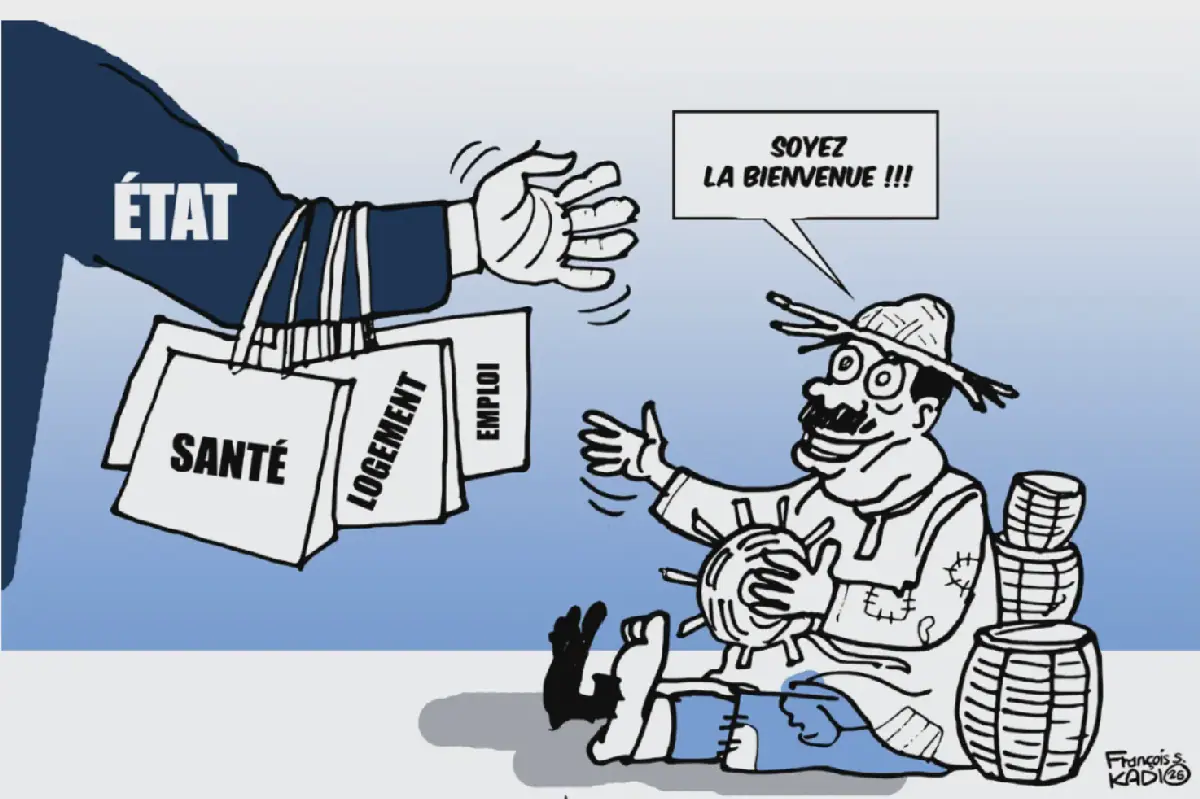
The government of Benin has approved a new 7-year program, titled "Le Bénin plus loin, ensemble," aimed at improving the living standards of its citizens. The program, which is part of the country's 2060 vision and national development plan, focuses on eradicating extreme poverty, creating wealth, and modernizing the state. The plan is designed to ensure that economic growth benefits all citizens, particularly in rural areas.
The program's main objectives include achieving an average real growth rate of 7.7% over the next seven years, creating jobs, and improving access to basic services such as healthcare and education. The government also aims to reduce inequalities and promote economic development in all regions of the country. To achieve these goals, the program focuses on three main areas: eradicating extreme poverty, transforming the economy, and modernizing the state.
The first area of focus is on eradicating extreme poverty, which involves not only increasing incomes but also improving access to basic services such as healthcare, education, and clean water. The program also aims to strengthen the social protection system and improve living conditions in rural areas. This approach recognizes that poverty is a multifaceted issue that requires a comprehensive solution.
The second area of focus is on transforming the economy by promoting local production, diversification of activities, and formalization of businesses. The government has identified six key sectors that will drive economic growth: agriculture, industry, tourism, logistics, education, and energy. These sectors are expected to create new opportunities for investment, employment, and entrepreneurship.
The program also emphasizes the importance of good governance and modernizing the state. This includes promoting transparency, accountability, and efficiency in the public sector, as well as strengthening the justice system and security. The government aims to create a more accessible and effective state that responds to the needs of its citizens.
To finance the program, the government has identified two main sources: the public sector, which will contribute 45%, and the private sector, which will contribute 55%. The program will be implemented in two phases: the first phase, which will run from 2026 to 2029, will focus on implementation, while the second phase, which will run from 2030 to 2033, will focus on consolidation.
The program's success will be measured through annual performance contracts between ministers and the president, as well as a modular portfolio of projects and a chain of results that links resources to outcomes and impacts. The government is committed to ensuring that the program benefits all citizens and promotes sustainable economic growth and development.
Key points
- The program aims to achieve an average real growth rate of 7.7% over the next seven years.
- The program focuses on three main areas: eradicating extreme poverty, transforming the economy, and modernizing the state.
- The program will be financed through a combination of public and private sector contributions, with the private sector contributing 55%.