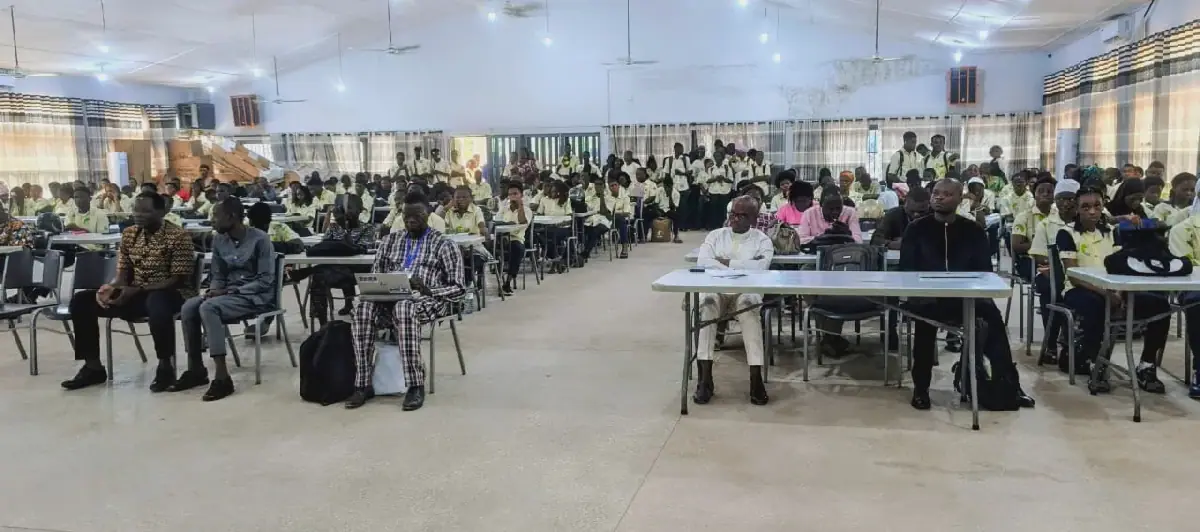
The University of Abomey-Calavi in Benin has opened a three-day international colloquium to discuss the challenges of preserving cultural heritage in the face of climate change. The event, which runs from November 3 to 5, brings together researchers, experts, and stakeholders to explore the impact of climate change on Benin's rich cultural and natural resources. The colloquium aims to promote a dialogue between science, culture, environment, and public policy to better protect the country's collective memory.
The colloquium, organized by the National Institute of Arts, Archaeology, and Culture (Inmaac) and the National Institute of the Environment (ICaV), seeks to anticipate the effects of climate change on Benin's cultural and natural heritage. The country's cultural patrimony, including palaces, archaeological sites, museums, artworks, languages, and traditional crafts, is facing increasing threats from climate-related risks such as coastal erosion, floods, and extreme temperatures.
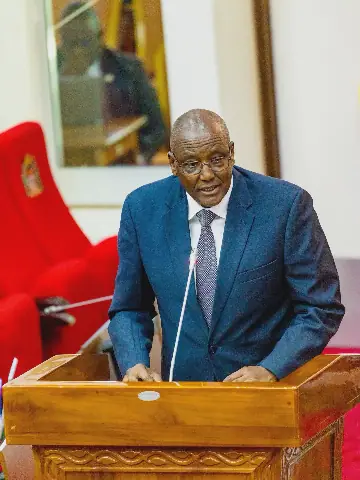
Professor Sylvain Dabadé, representing the rector of the University of Abomey-Calavi, emphasized the strategic importance of addressing the impact of climate change on cultural heritage. He noted that cultural heritage is not just a historical legacy but also a living memory of a people, a foundation of their identity, and a source of creativity and development.
The colloquium will explore five key areas, including climate strategies for preserving cultural heritage, environmental frameworks, archaeological conservation, tourism, and preventive measures for protecting cultural patrimony. The event features conferences, scientific workshops, film screenings, poster exhibitions, research presentations, and a field visit.
Professor Romuald Tchibozo, director of Inmaac, stressed the need to rethink traditional conservation approaches in light of climate change. He noted that climate change is not just an environmental issue but also a cultural, scientific, and social challenge. The goal of the colloquium is to move beyond diagnosis and promote a culture of anticipation, prevention, and sustainable risk management for cultural heritage.
The collaboration between Inmaac and ICaV aims to bring together experts from different fields to develop concrete recommendations for informing public policy. The event is expected to contribute to the development of effective strategies for preserving Benin's cultural heritage in the face of climate change.
The University of Abomey-Calavi's initiative demonstrates the role of research in addressing major societal challenges. The colloquium reflects the university's commitment to using scientific knowledge as a tool for decision-making, innovation, and sustainable development.
Key points
- The colloquium aims to promote a culture of anticipation, prevention, and sustainable risk management for cultural heritage in the face of climate change.