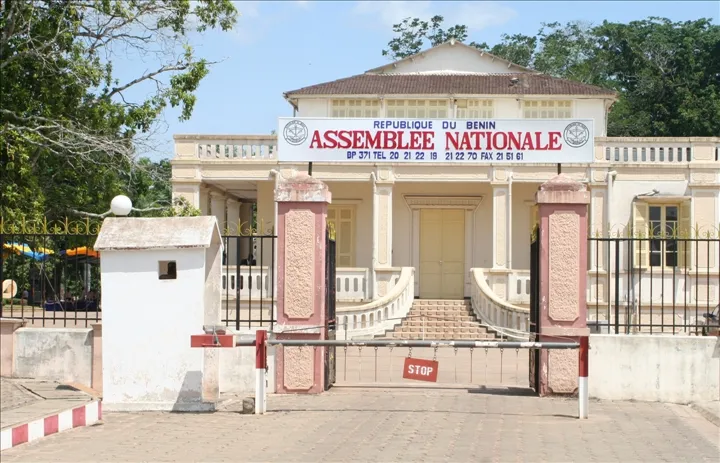
The National Assembly of Benin will convene its second ordinary session of 2026, also known as the budget session, on Monday, October 19. This session is mandated by the Constitution of Benin and the internal regulations of the National Assembly. According to Article 87 of the Constitution and Article 4 of the internal regulations, the Assembly must hold two ordinary sessions per year, with the second session taking place in the second half of October.
The Conference of Presidents of the National Assembly, comprising seven members of the bureau, presidents of five permanent technical commissions, and presidents of two parliamentary groups, convened on September 22 to decide on the opening date of the session. The session will primarily focus on the examination and vote on the 2027 finance bill, the first under President Romuald Wadagni's administration.
The government is expected to transmit the budget document to the National Assembly by October 7, during the upcoming Council of Ministers. According to the law, the finance bill must be submitted to the National Assembly at least one week before the start of the budget session, giving the government a deadline of October 12 to execute this task.
This budget session marks the first of its kind for the current term of the National Assembly. The session is expected to be crucial, with the examination and adoption of the 2027 finance bill being the primary agenda. The National Assembly's proceedings will be guided by the Constitution and internal regulations, ensuring adherence to the country's legislative framework.
The second ordinary session of the National Assembly will run for a maximum of three months, as stipulated by the Constitution. During this period, lawmakers will scrutinize and vote on the finance bill, which will outline the country's budget for 2027. The session's outcome will have significant implications for Benin's economic and financial planning.
The upcoming budget session is a critical event in Benin's parliamentary calendar. The National Assembly's ability to effectively examine and adopt the finance bill will be crucial in shaping the country's economic trajectory. The session's success will depend on the collaboration between lawmakers, the government, and other stakeholders.
As the National Assembly prepares to convene its budget session, the country's lawmakers are gearing up for a critical period of legislative activity. The session's outcome will have far-reaching implications for Benin's economic development, and its citizens will be watching closely as the proceedings unfold.
Key points
- The National Assembly of Benin will open its budget session on October 19, marking the beginning of the second ordinary session of 2026.