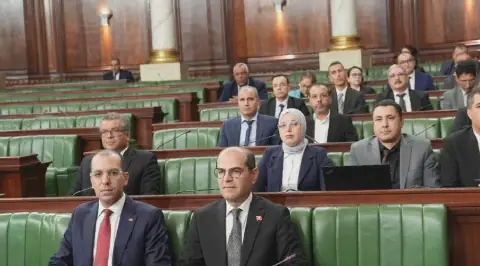
The Benin government's 2026-2033 Program of Action, titled "Le Bénin, plus loin, ensemble," prioritizes poverty eradication. President Romuald Wadagni aims to significantly reduce extreme poverty through a strategy combining agricultural productivity, social protection, improved basic services, and wealth redistribution. The plan was discussed in a recent TV appearance by government spokesperson Wilfried Léandre Houngbédji.
The program seeks to ensure economic growth benefits all population segments. Beyond macroeconomic performance, the government aims to drive social progress, with a major goal of substantially reducing or eradicating extreme poverty by 2033. This orientation was highlighted by Houngbédji in his media intervention on November 22, 2026. The government's ambition is built on solid economic fundamentals and a projected average growth rate of 7.7% over the next seven years.
The government's strategy involves better identification of impoverished individuals. A census has created a database of poor and extremely poor populations, allowing for targeted interventions. Although the system is open to adjustments to account for vulnerable individuals missed in the census, it marks a crucial step toward effective poverty reduction. This approach aims to make economic growth more redistributive, with Houngbédji emphasizing that the ultimate goal is for everyone to feel the impact of this growth on their purchasing power.
A key innovation in the strategy is the agricultural productivity and social protection program, particularly for farmers. Many farmers are vulnerable due to low incomes and high family responsibilities. The government plans to enhance their production capacity and income. A pilot phase has begun with maize cultivation, aiming to increase yields from one ton to six, eight, or ten tons per hectare. Lessons from this experiment will inform broader implementation.
The program also focuses on improving basic services and social protection. By enhancing access to quality education, healthcare, and other essential services, the government aims to create a more supportive environment for poverty reduction. This multi-faceted approach recognizes that economic growth alone is insufficient for sustainable development. The government seeks to address the root causes of poverty and create opportunities for sustainable livelihoods.
Effective implementation of the plan will require close collaboration between government agencies, civil society, and international partners. The government must ensure that resources are allocated efficiently and that programs are tailored to the specific needs of different regions and communities. Transparency and accountability will be crucial in tracking progress and making necessary adjustments.
The success of Benin's poverty eradication plan will depend on its ability to balance economic growth with social equity. By prioritizing the needs of the most vulnerable populations and ensuring that economic growth is inclusive and sustainable, the government can make significant strides toward achieving its ambitious goals. The international community will be watching closely, as Benin's experience could provide valuable lessons for other countries facing similar challenges.
Key points
- The Benin government aims to increase maize yields from one ton to six, eight, or ten tons per hectare through a pilot program.